Outdoor lighting does more than brighten your yard after sunset. It shapes how your landscaping looks, how your home stands out, and how safely you move through outdoor spaces at night.
Many homeowners focus on brightness and runtime when choosing fixtures, but they often overlook one critical specification: the beam angle. Find out why this matters in outdoor solar spotlights and why it deserves your close attention.
The Definition of Beam Angles
The term “beam angle” refers to the width of light that spreads from a spotlight. Manufacturers measure it in degrees, and that number tells you how wide or narrow the light appears when it hits a surface.
If you shine a flashlight at a wall, you can see the beam angle in action. A tight beam produces a small, intense circle with defined edges. A wide beam creates a larger, softer circle that covers more surface area. Understanding beam angles lets you control how your yard looks after dark.
Examples of Various Beam Angles

Different beam angles serve different purposes in outdoor spaces. The key lies in choosing the right spread for the feature you want to highlight. Here are three common beam angles and how homeowners typically use them.
Narrow Beam Angles (10°–25°)
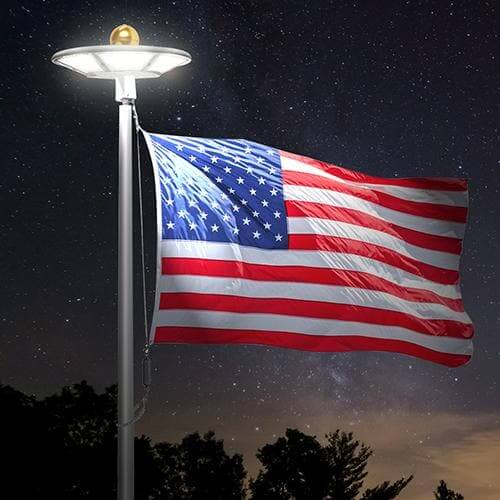
Narrow beam angles create a focused, intense column of light. You can use them to highlight specific architectural details or tall landscape elements. For example, a 15-degree beam can make a single tree trunk, statue, or flagpole stand out dramatically against darker surroundings.
This type of beam works best when you want contrast. It draws attention to a focal point and leaves nearby areas in shadow. Homeowners who want bold accents often choose narrow beams for entry features or statement landscaping.
Medium Beam Angles (30°–45°)
Medium beam angles balance focus and coverage. A 36-degree spotlight can illuminate a small tree canopy or evenly wash light across siding. It provides clear visibility without looking overly concentrated.
Many DIY homeowners prefer this range because it works in multiple scenarios. You can use it to highlight landscaping, light signage, or define the edge of a pathway. It delivers controlled brightness while maintaining flexibility.
Wide Beam Angles (60° and Above)
Wide beam angles spread light across a larger area. A 60-degree beam can brighten low shrubs, garden beds, or sections of a patio. Instead of creating a spotlight effect, it offers broader illumination.
This option works well when you want softer coverage. It reduces harsh contrast and fills darker areas more evenly. Contractors often select wider beams for general outdoor visibility across open spaces.
The Benefits of Choosing the Correct Beam Angle

Selecting the correct beam angle improves more than brightness. It influences how your yard feels, functions, and presents itself at night. When you match beam width to purpose, your lighting feels intentional and polished. Here are the core benefits of understanding and applying beam angles correctly.
Better Visual Focus
A properly selected beam angle directs attention exactly where you want it. This control allows you to shape your home’s nighttime appearance. You can emphasize height, texture, or structure with precision. The result looks deliberate rather than random.
Improved Coverage Planning
Understanding beam spread lets you predict coverage before installation. That reduces dark gaps and prevents excessive overlap. You position each fixture with confidence instead of relying on trial and error.
This planning makes installation simpler, which aligns with the appeal of solar lighting systems. Homeowners who account for beam angle avoid unnecessary repositioning and achieve cleaner results.
More Consistent Brightness
Beam angle also affects how bright a space appears. When you match beam width to the feature size and distance, you achieve balanced illumination.
For instance, tall elements benefit from tighter beams, while broader surfaces look better under wider spreads. This consistency prevents extreme bright spots next to dim sections.
Reduced Light Spill
A beam that matches its target minimizes unwanted light spill. For example, narrow beams reduce glare into neighboring windows or properties, while wide beams prevent harsh edges that make spaces feel incomplete.
This precision keeps light where you need it. It also supports comfortable visibility around patios, walkways, and entry points.
Stronger Curb Appeal
Outdoor lighting also plays a major role in first impressions. When every spotlight uses the correct beam angle, your home looks thoughtfully designed. That attention to detail strengthens curb appeal without complicated systems or wiring.
Tips for Picking Beam Angles
After learning why beam angle matters in outdoor solar spotlights, let’s review some tips for picking the correct beam angles with your solar yard spotlights. This process does not require advanced technical knowledge. You simply need to evaluate your target, your layout, and your lighting goal before installation.
Consider the Size of the Feature
Look at the width and height of what you want to illuminate. A tall, narrow object works best with a tighter beam that follows its shape. A wide shrub or garden bed requires a broader spread to avoid dark edges.
Matching beam width to feature size prevents uneven lighting. This simple step improves results immediately.
Think About Distance From the Fixture
Distance changes beam performance. The farther light travels, the more it spreads. A narrow beam placed several feet away can create dramatic vertical coverage.
If you position the fixture close to the surface, you may need a wider beam to avoid a harsh hotspot. Always consider how distance affects spread before final placement.
Decide Between Accent or General Lighting
Clarify your goal before selecting a beam angle. Accent lighting calls for narrow to medium beams that create contrast and draw attention.
General lighting benefits from wider beams that soften shadows and increase visibility. Your objective should guide your decision. Focused beams highlight, while wide beams illuminate.
Account for Overlap and Layering
If you plan to use multiple spotlights, consider how their beams interact. Narrow beams allow you to create distinct focal points without blending. Wider beams overlap more easily and create smoother transitions.
Planning your layout in advance ensures that each fixture serves a purpose. That strategy keeps your lighting clean and organized.
Test Before Final Installation
A temporary placement helps you evaluate beam spread in real-world conditions. Small adjustments in angle or distance can dramatically change the visual result. Testing gives you control before you secure the fixture.
This extra step prevents frustration and improves the final outcome. You gain confidence knowing your lighting performs exactly as intended.
Now you know how the right beam width shapes focus, coverage, and overall visual impact across your yard. When you understand and apply this specification, you can transform simple fixtures into precise lighting tools.
Outdoor Solar Store offers solar yard spotlights that can bring your outdoor space to life when you choose the right beam angle. Contact us today to learn how our products can help you improve the look of your landscapes while keeping energy bills low.