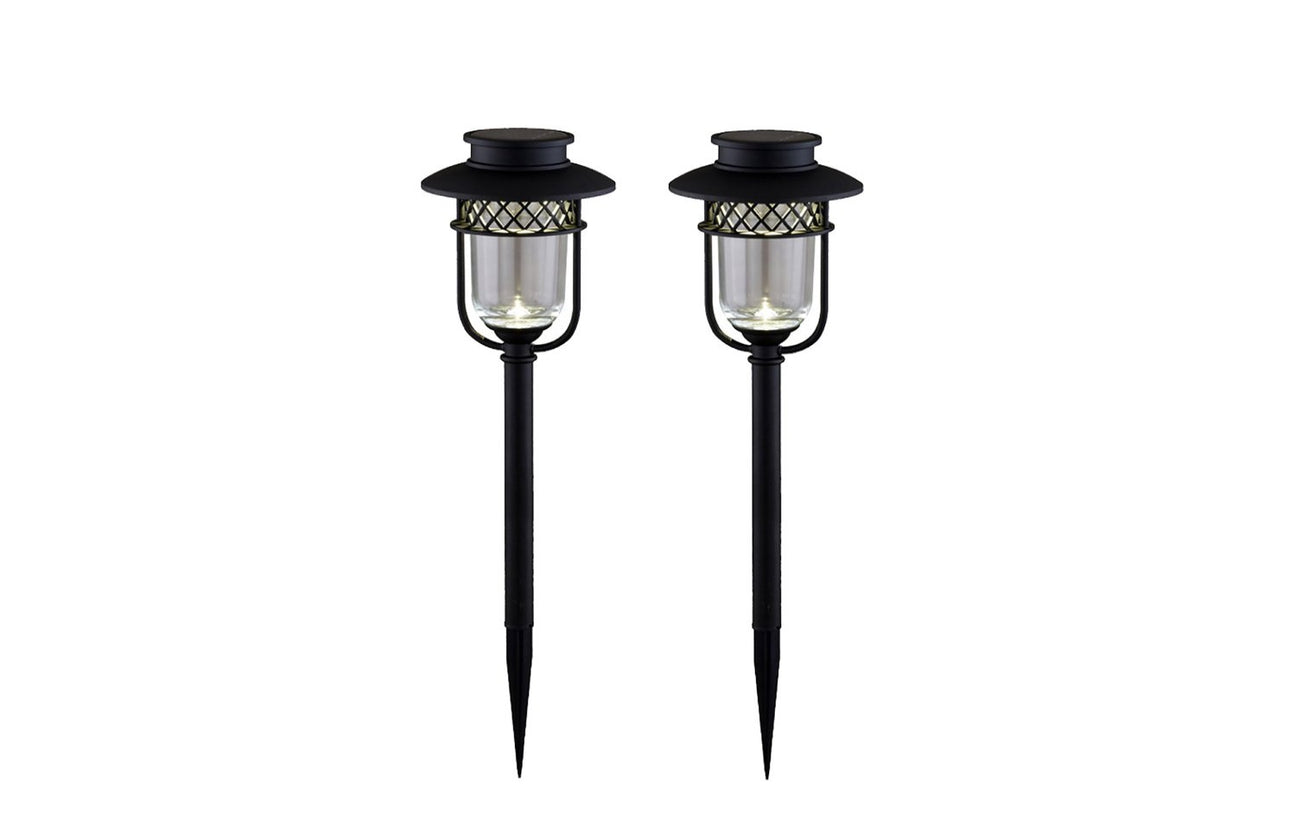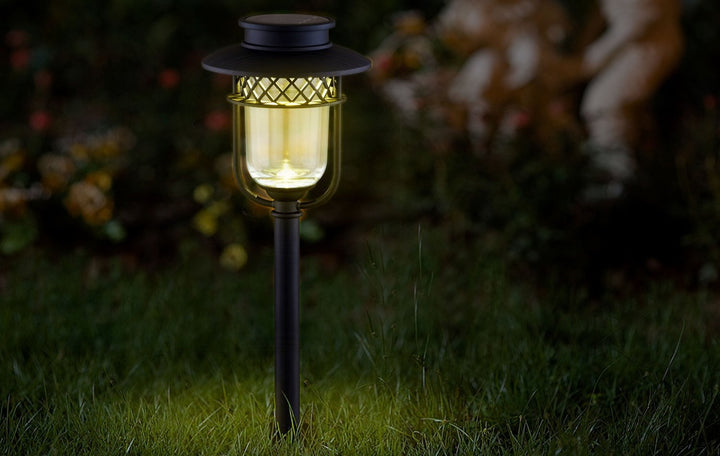

Outdoor pathway lights face environmental challenges that indoor fixtures never encounter, from heavy rainfall and freezing temperatures to prolonged sun exposure. These conditions can gradually compromise lighting performance when fixtures lack the materials and protective features necessary for outdoor use.
Homeowners and property managers need lighting solutions that maintain dependable illumination while complementing their surrounding landscapes throughout the changing seasons. Understanding weather-resistant features helps buyers choose durable pathway lighting that delivers lasting value without demanding constant maintenance or frequent replacement.
Why Weather Resistance Matters for Outdoor Lighting
Pathway lights spend their entire service life outdoors, where changing weather conditions continually test their construction and performance. Moisture can enter poorly sealed fixtures, temperature fluctuations can stress internal components, and prolonged sunlight can weaken certain exterior materials. These problems often develop gradually, making weather resistance an important consideration even in regions that rarely experience severe storms. Investing in durable outdoor lighting helps property owners avoid premature deterioration while maintaining attractive, functional walkways.
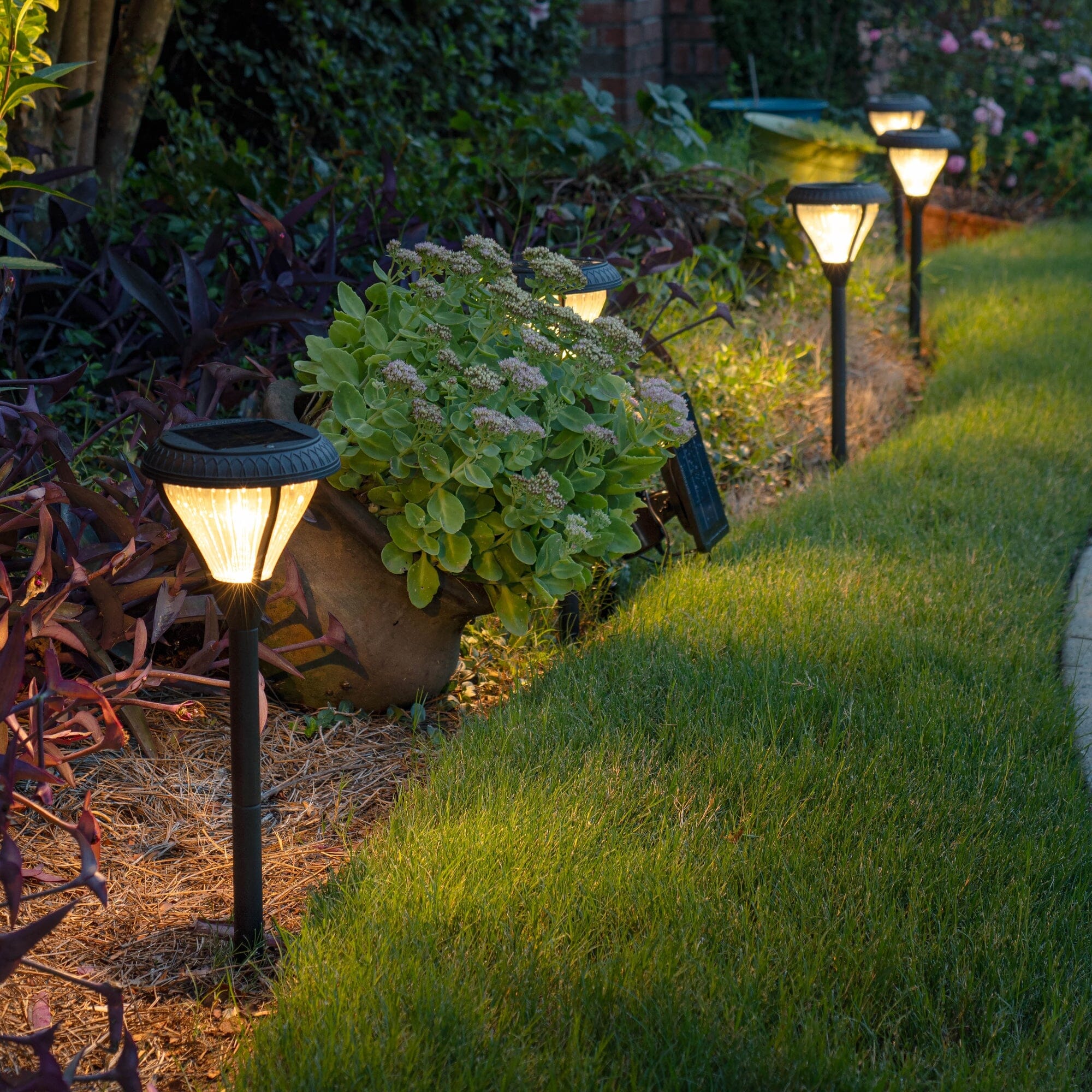
Weather resistance also contributes to the consistency of nighttime illumination across residential and commercial properties. A pathway light that stops working after a rainstorm can leave an unexpected dark area along an otherwise illuminated walkway. Reliable fixtures help visitors identify changes in direction, landscaping borders, and potential obstacles as they move through outdoor spaces. Choosing products that account for local weather conditions supports better visibility while reducing the inconvenience of repeated repairs or replacements.
Look for Durable Housing Materials
The exterior housing provides the first line of defense against weather-related wear, making material quality an essential purchasing consideration. Metal housings with suitable protective finishes can offer dependable structural strength, while quality outdoor plastics provide lightweight alternatives with resistance to certain environmental conditions. However, not every metal or plastic performs equally well outdoors, especially when manufacturers overlook corrosion protection or ultraviolet resistance. Buyers should evaluate construction quality alongside appearance rather than assuming that a sturdy-looking fixture will automatically withstand years of exposure.
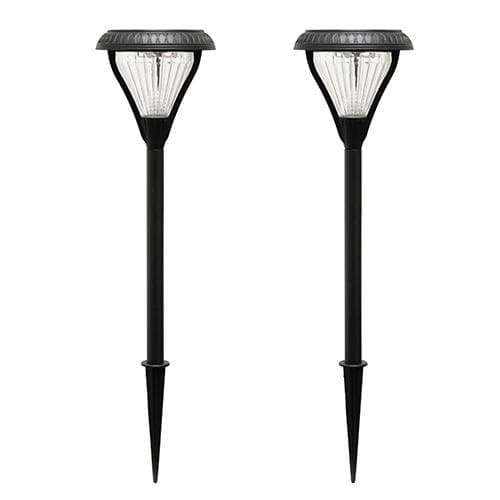
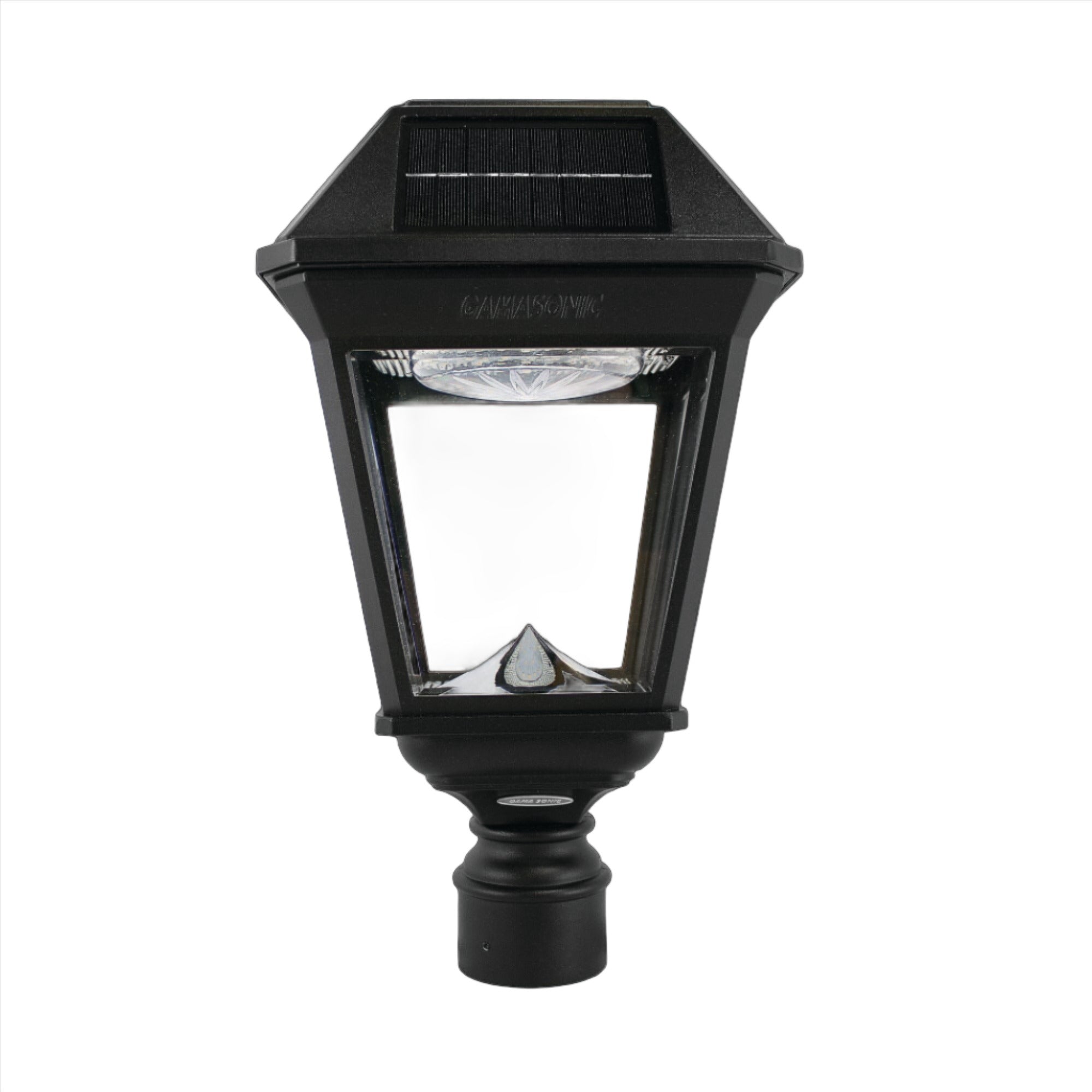
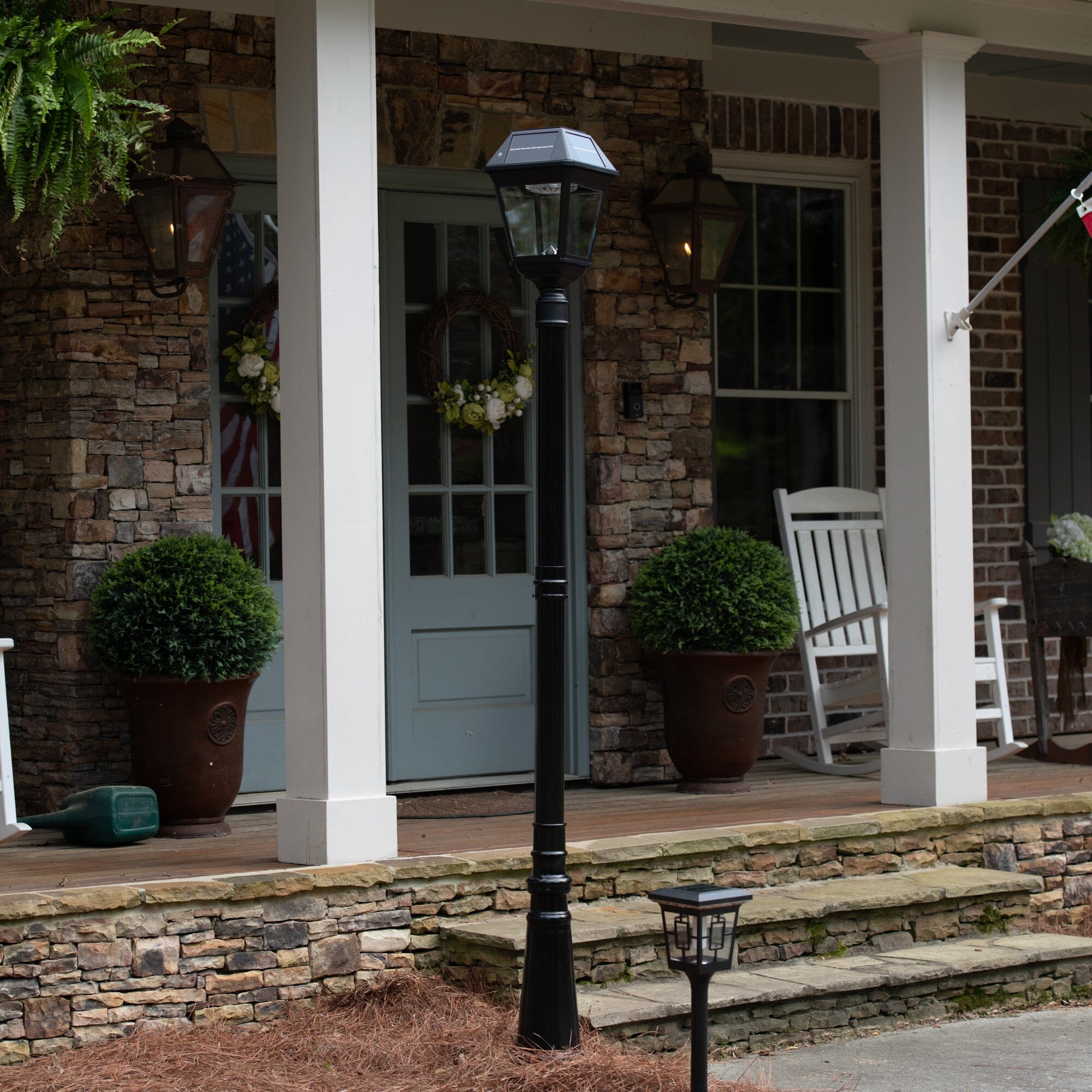
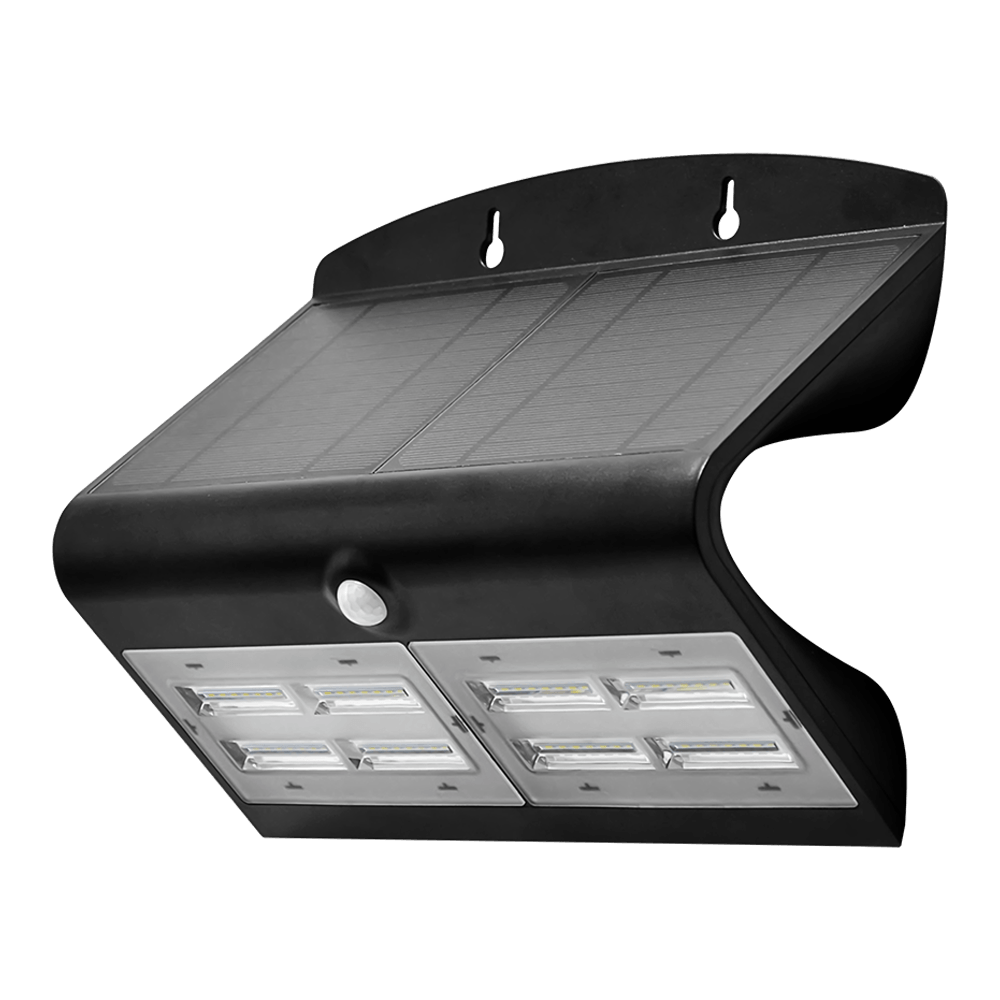
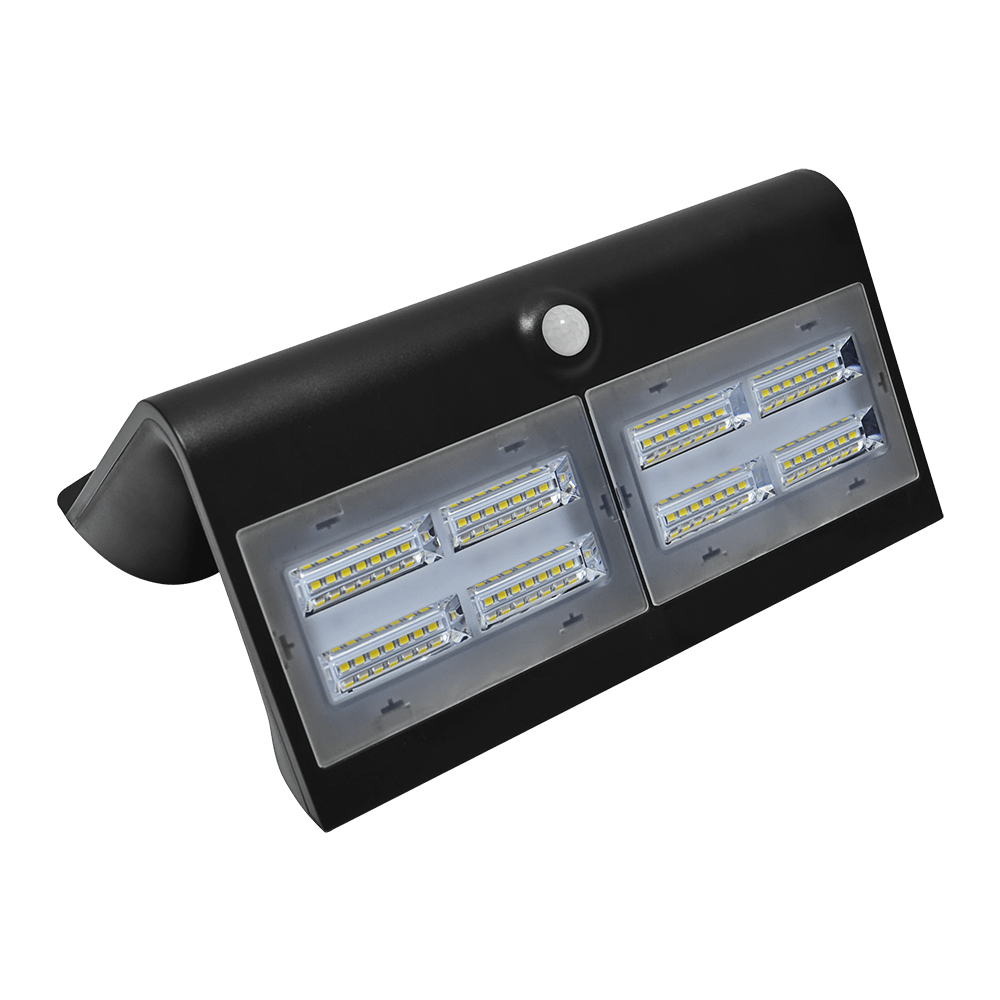
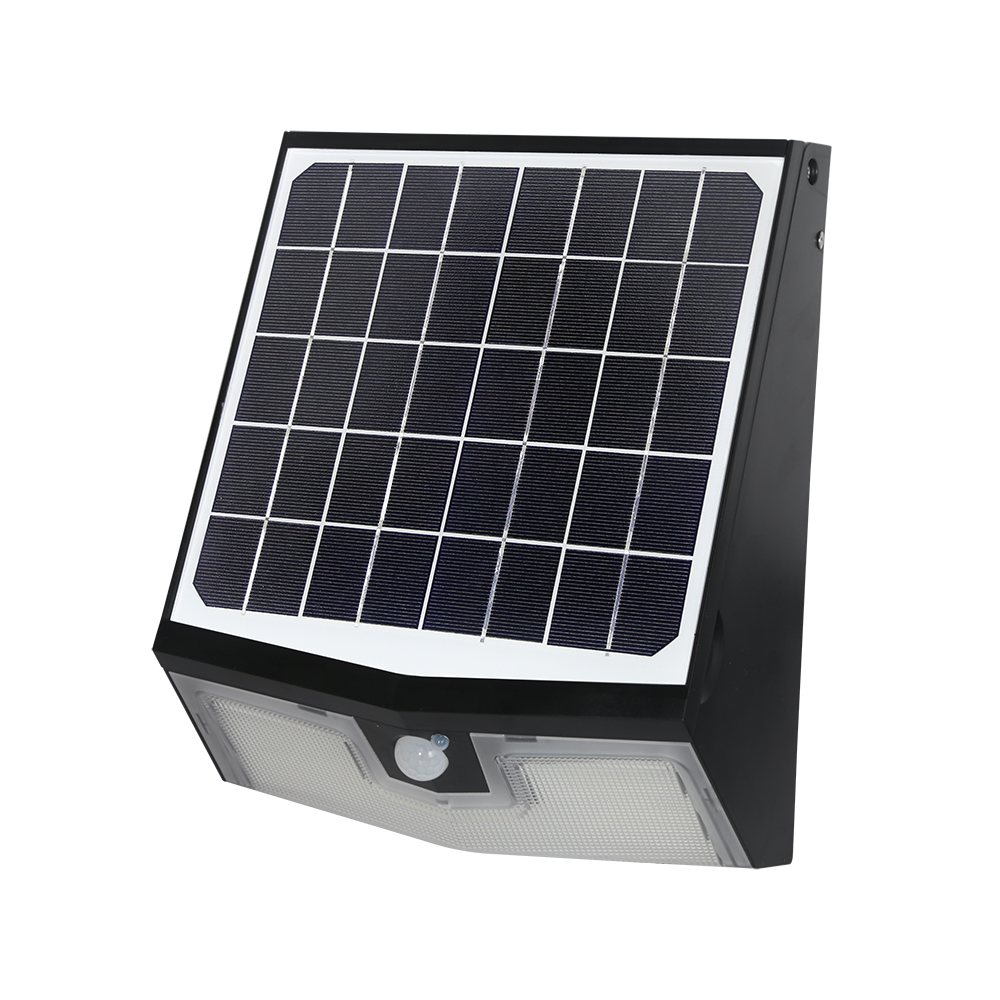
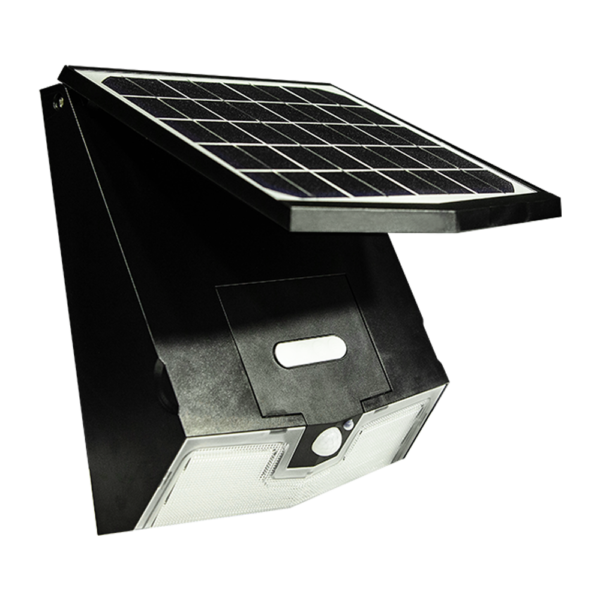
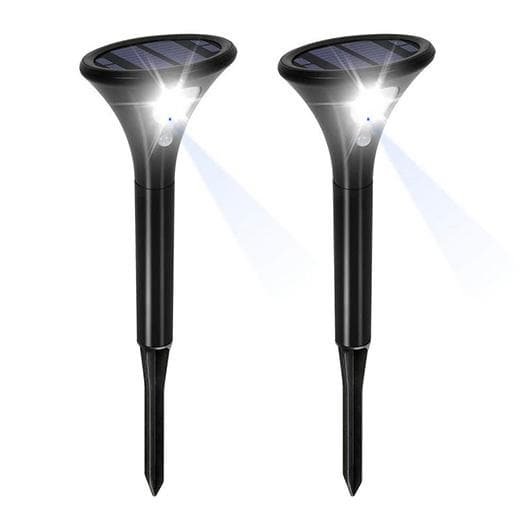
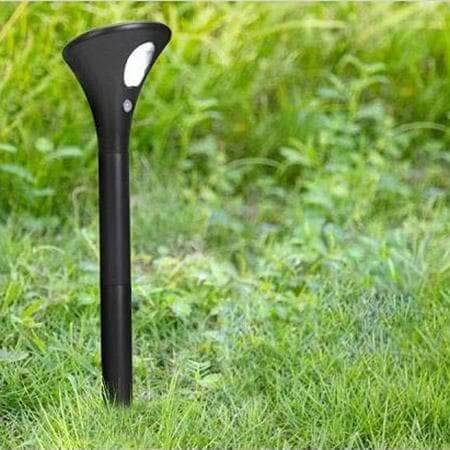
Outdoor Solar Store offers pathway lighting in several styles, allowing customers to consider durability without sacrificing their preferred landscape aesthetic. Contemporary black and bronze designs can complement modern walkways, while classic fixtures provide a more traditional appearance around gardens and residential entrances. Bollard-style lighting offers another attractive option for properties that need a more substantial fixture presence along pedestrian routes. Matching housing materials and finishes to the surrounding environment can create a coordinated lighting design that remains visually appealing through seasonal changes.

Understand Water Resistance and Fixture Sealing
Rainfall, melting snow, and irrigation systems can expose pathway fixtures to moisture from several directions throughout the year. Effective weather-resistant construction can prevent water from reaching sensitive electrical components, particularly around seams, switches, and charging connections. Protective seals and thoughtful housing designs can reduce moisture intrusion, although the level of protection varies between individual products. Buyers should review manufacturer specifications to understand whether a particular fixture suits their expected exposure conditions.
Ingress Protection ratings, commonly called IP ratings, offer a useful reference when manufacturers provide them. The first digit describes protection against solid particles, while the second indicates the level of resistance to water intrusion. For example, an IP65 rating indicates dust-tight construction and protection against water jets, although it doesn’t guarantee protection against submersion. Property owners should compare documented ratings with their installation conditions instead of assuming that every outdoor fixture offers identical moisture protection.
Evaluate Solar Panels and Battery Protection
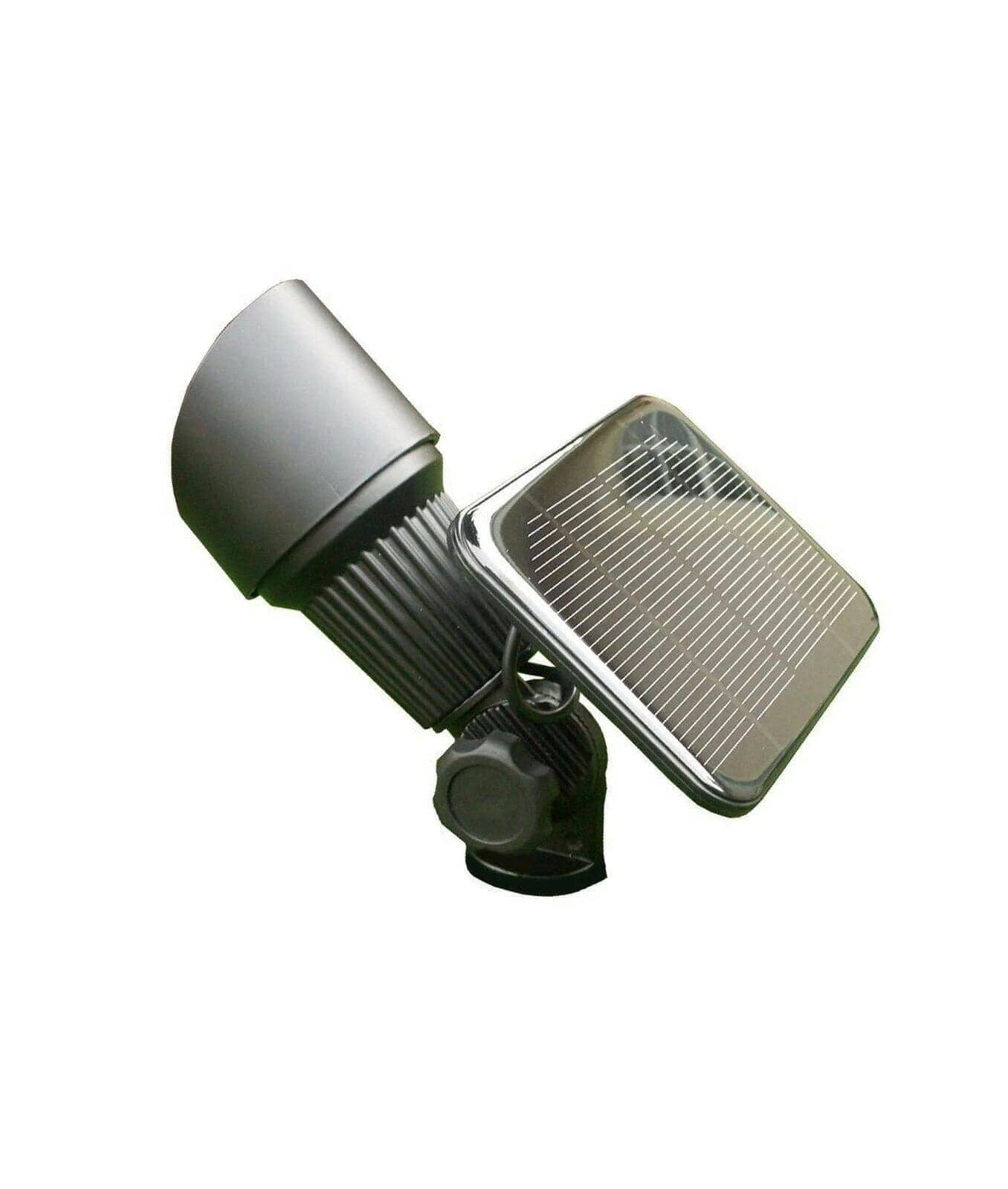
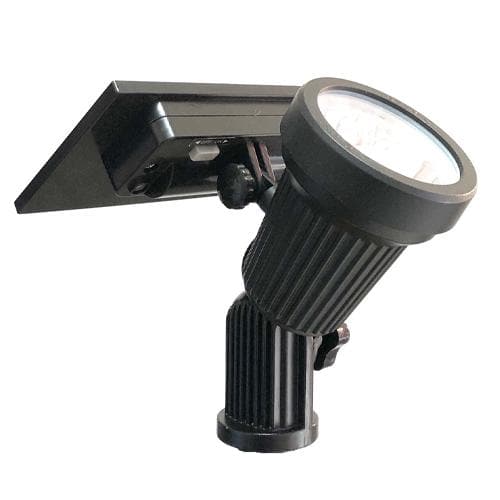
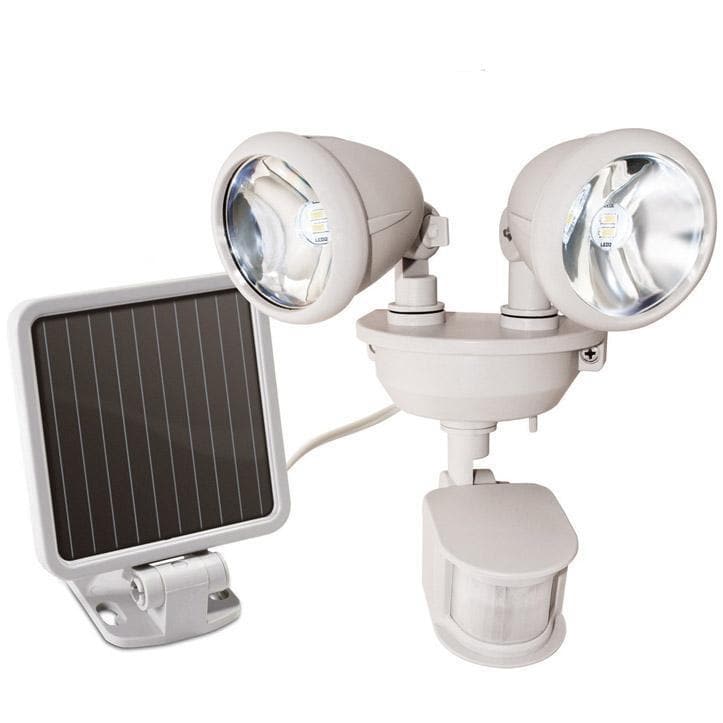
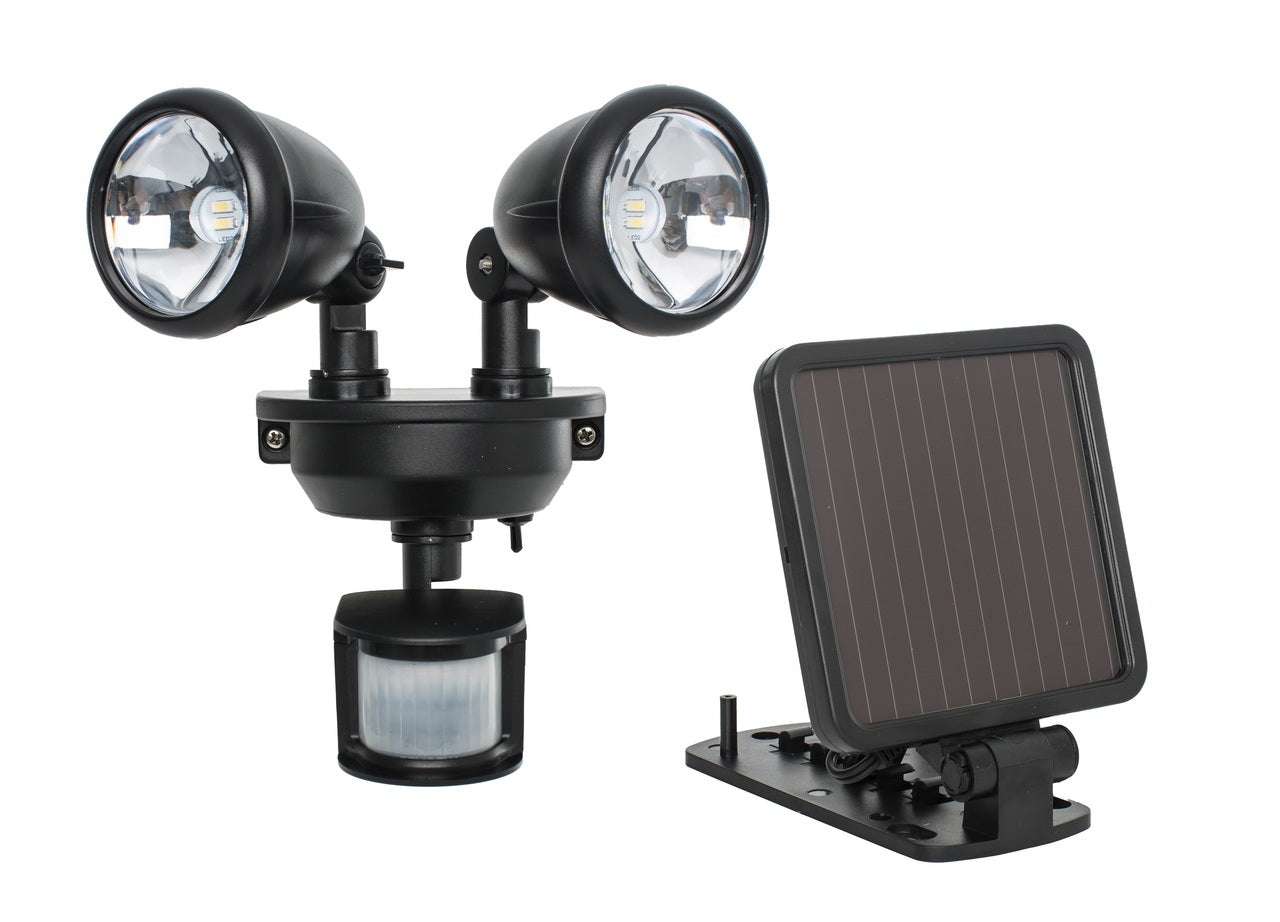
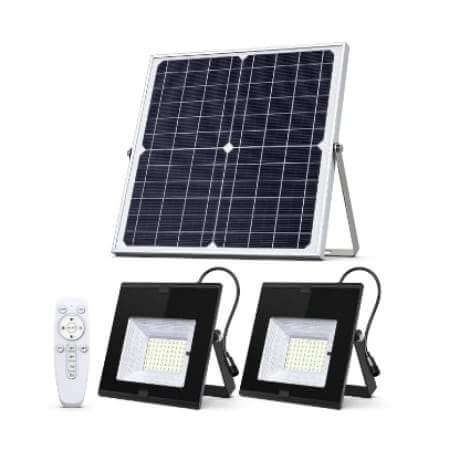
Solar pathway fixtures rely on several components working together, including the solar panel, rechargeable battery, LED light source, and internal controls. Weather-resistant construction must protect these elements while allowing the solar panel to receive adequate sunlight for charging. A well-designed fixture balances environmental protection with practical access for cleaning and any maintenance that the manufacturer recommends.
Buyers should consider the entire lighting system rather than focusing exclusively on the durability of the exterior housing. Several features deserve attention when comparing outdoor solar lighting options, including:
- Protected solar panels: Durable panel surfaces may withstand ordinary outdoor exposure while supporting reliable energy collection.
- Moisture-resistant compartments: Suitable seals can protect batteries and electrical connections from rain and irrigation.
- Quality rechargeable batteries: Appropriate battery specifications support dependable operation within the manufacturer’s recommended temperature range.
- Efficient LED technology: Energy-efficient light sources can maximize available battery power during nighttime operation.
- Accessible maintenance points: Practical designs simplify cleaning and routine upkeep without compromising protective features.
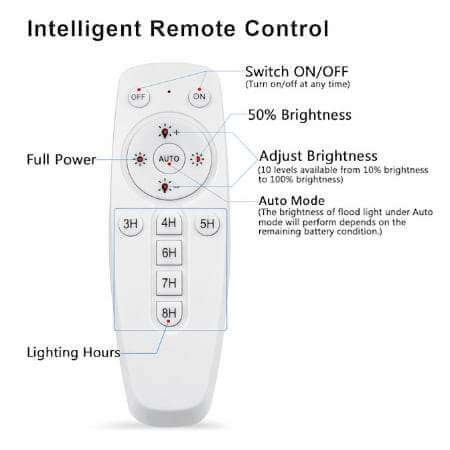
Weather resistance involves more than preventing physical damage because seasonal conditions also influence how people use outdoor spaces. Homeowners may prefer brighter illumination during long winter evenings, while softer lighting can create a more relaxed atmosphere around summer gardens. Adjustable brightness and lighting modes offer flexibility without requiring property owners to replace their existing fixtures. These options make it easier to balance nighttime visibility, decorative appeal, and available stored solar energy.

Match Installation Locations to Environmental Exposure
Even high-quality weather-resistant fixtures benefit from thoughtful placement that accounts for drainage, sunlight, and nearby landscaping. Low areas that regularly collect standing water can create unnecessary exposure, especially when fixtures lack ratings for prolonged immersion. Dense vegetation may block sunlight from reaching solar panels, while nearby sprinkler heads can repeatedly direct concentrated water toward fixture openings. Evaluating these conditions before installation helps homeowners select better locations and reduce preventable maintenance concerns.
One major advantage of solar pathway lighting involves its straightforward installation without the extensive wiring that conventional electrical systems may require. Outdoor Solar Store offers fixtures that homeowners can position along gardens, driveways, and pedestrian walkways where they receive adequate direct sunlight. Flexibility also benefits commercial landscapes, where property managers may want additional illumination without trenching across established grounds. However, proper positioning remains essential because inadequate sunlight can reduce operating time regardless of the fixture's weather-resistant construction.
Outdoor Solar Store offers a diverse collection of solar-powered pathway fixtures designed to bring efficient illumination to residential landscapes and commercial outdoor spaces. Customers can explore modern designs, traditional pathway lights, and substantial bollard options while comparing brightness settings and convenient operating features. These products provide an attractive alternative to conventional wired lighting, allowing property owners to enhance outdoor areas without adding electricity costs for operation.
Browse Outdoor Solar Store’s pathway lighting collection to find durable, weather-resistant options that complement your property and support dependable illumination through changing weather conditions.