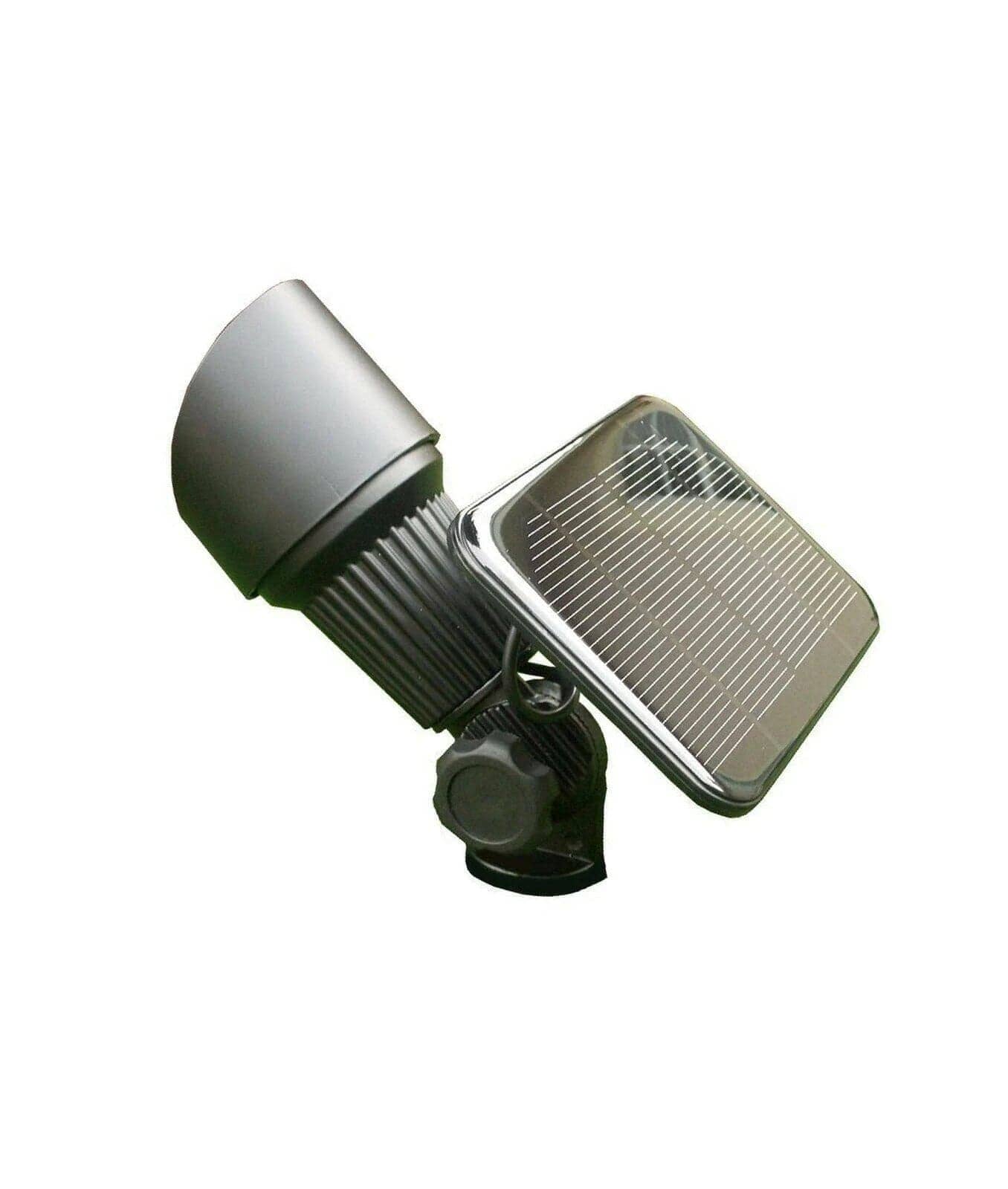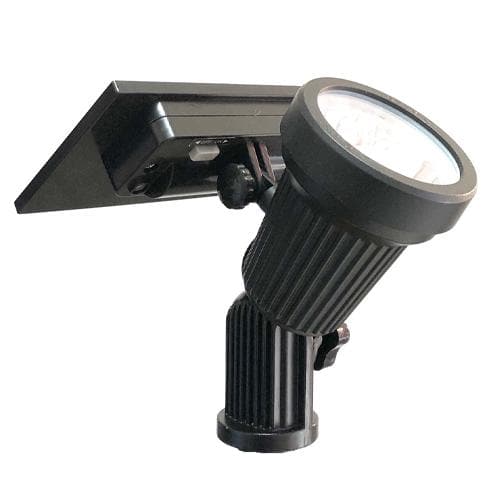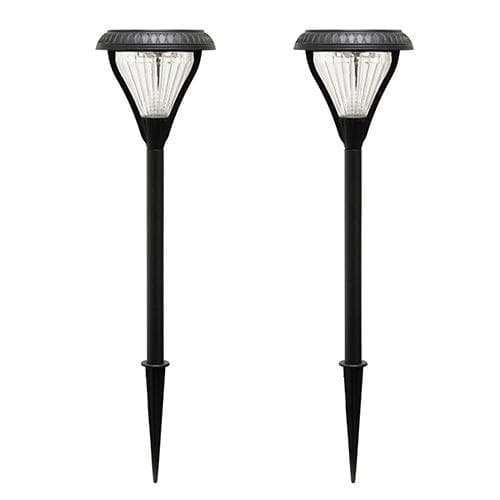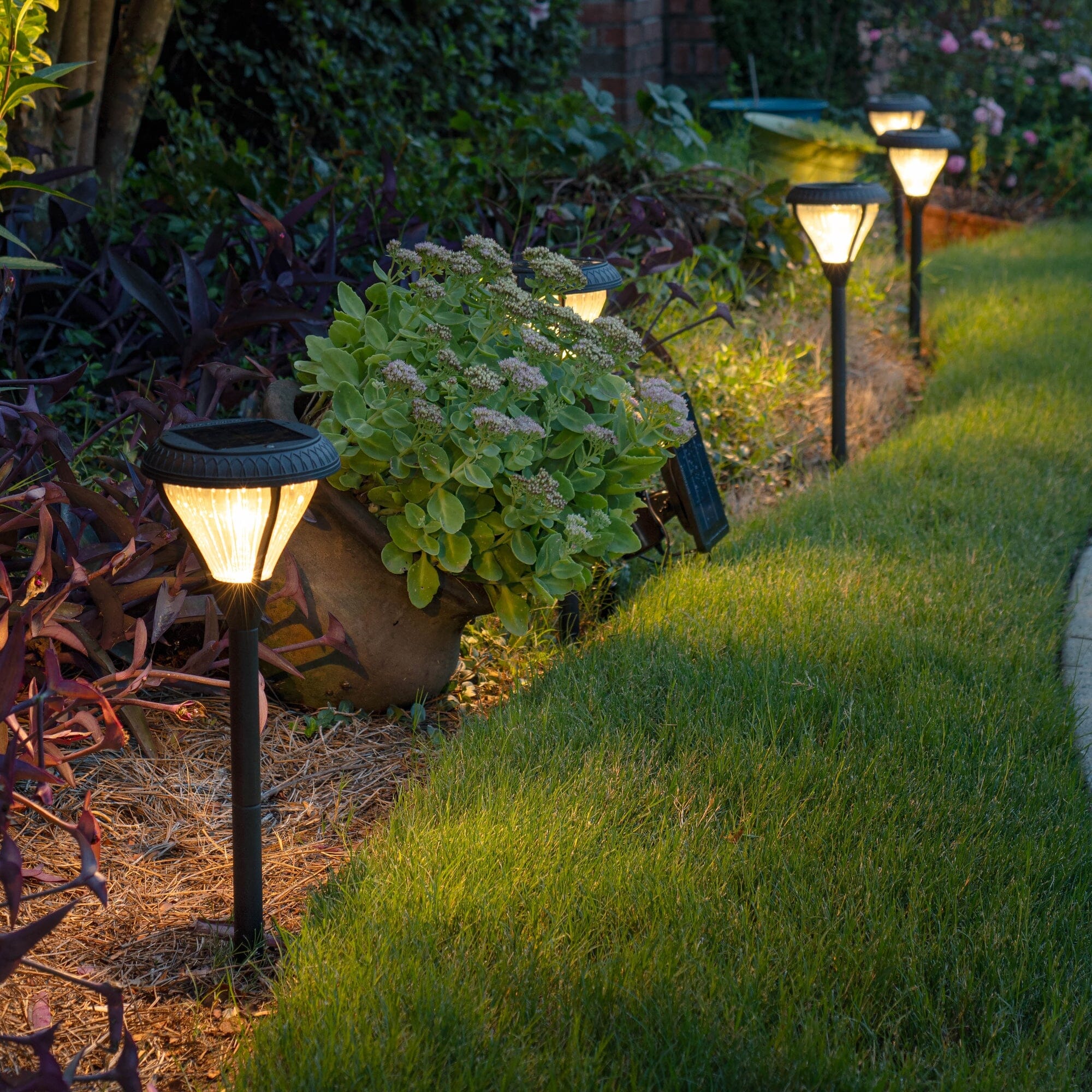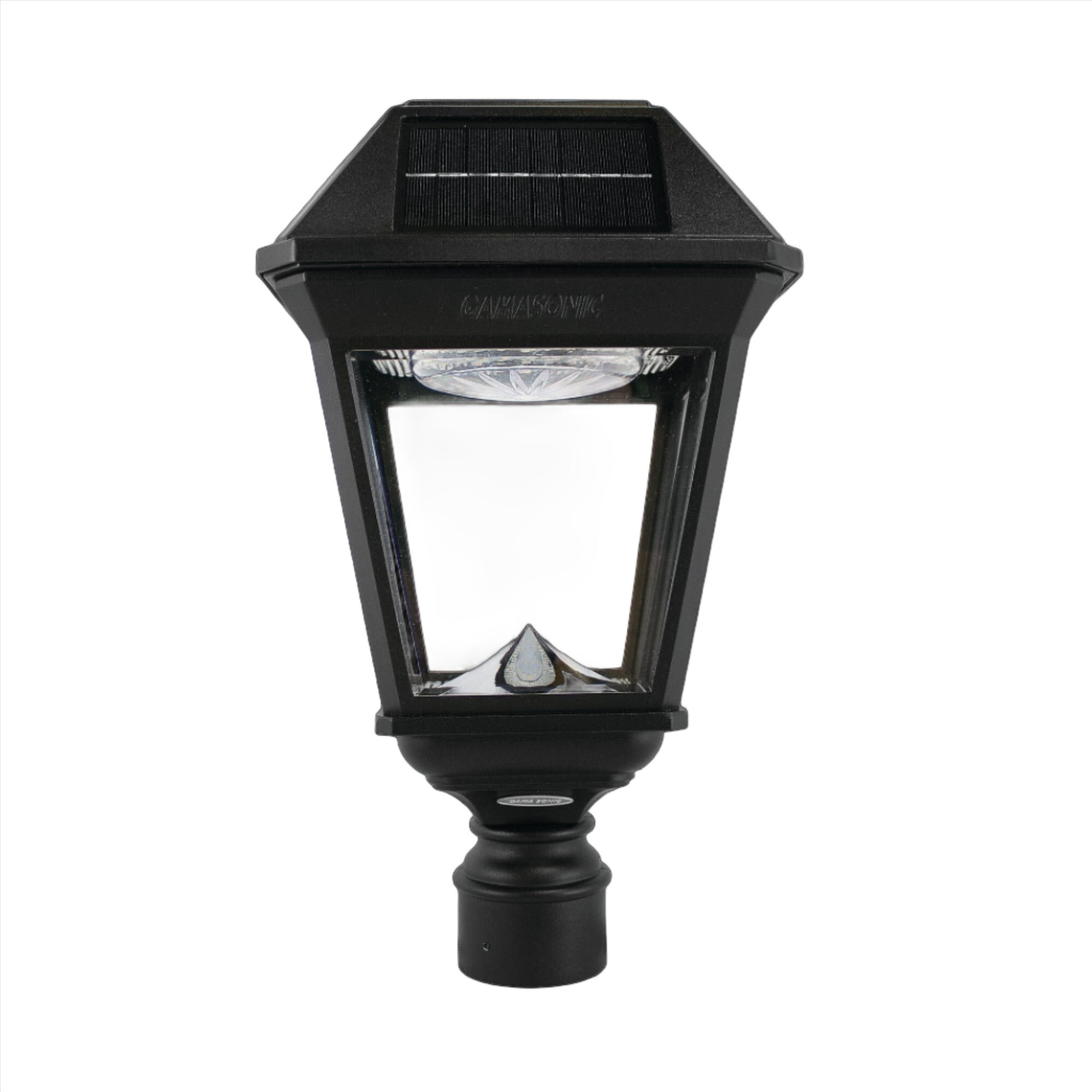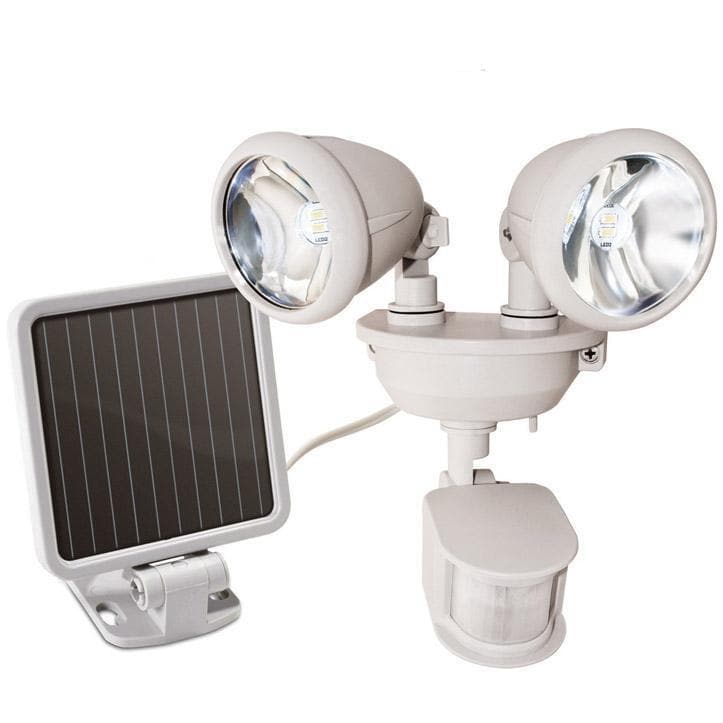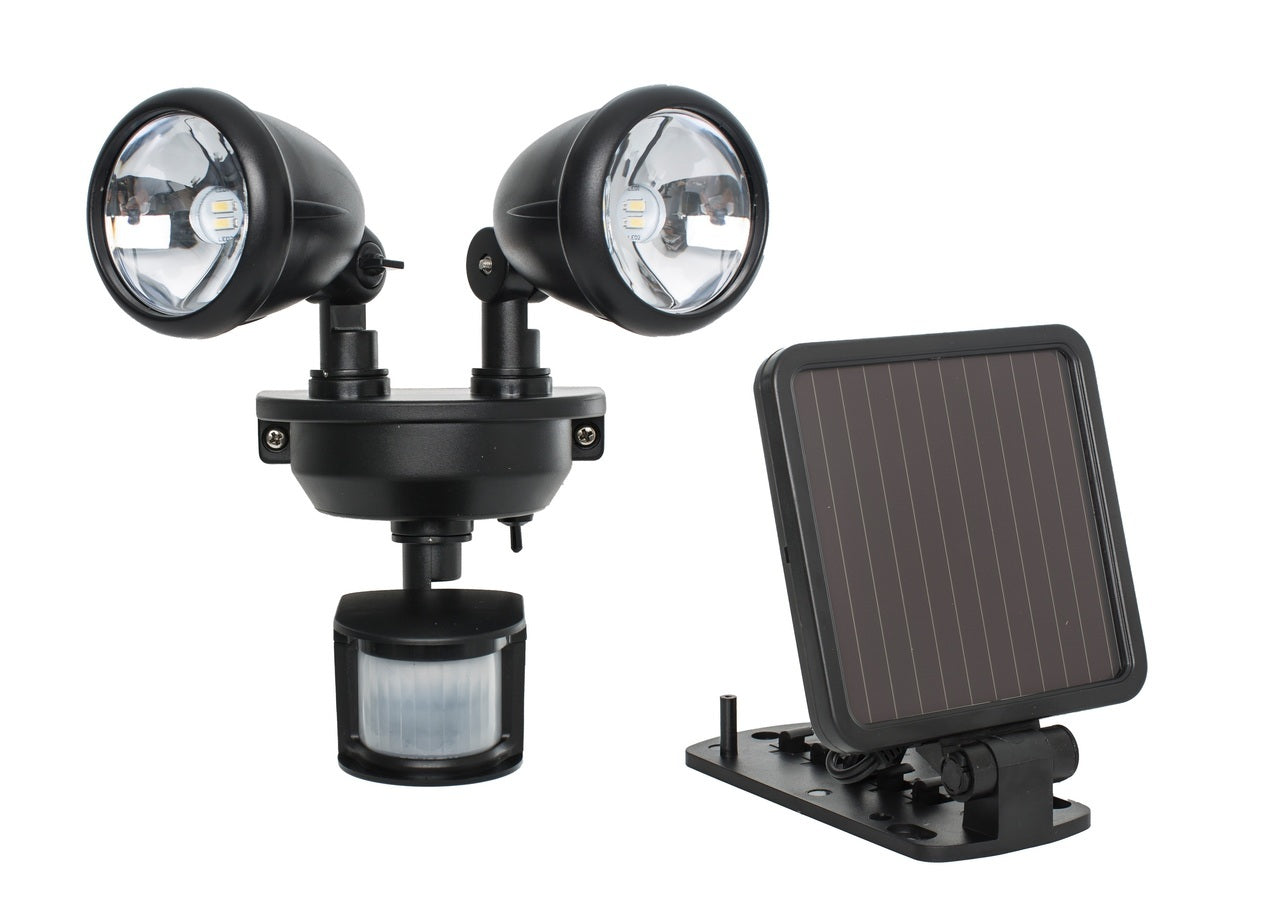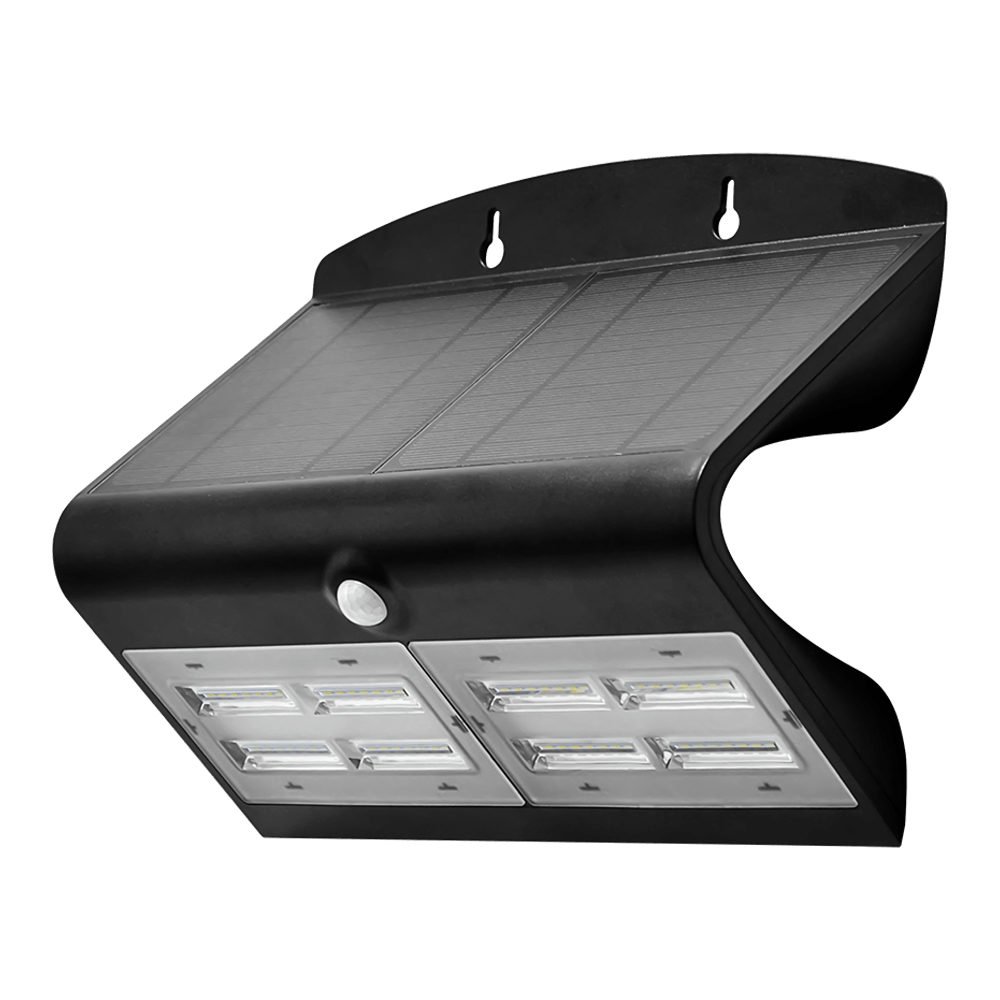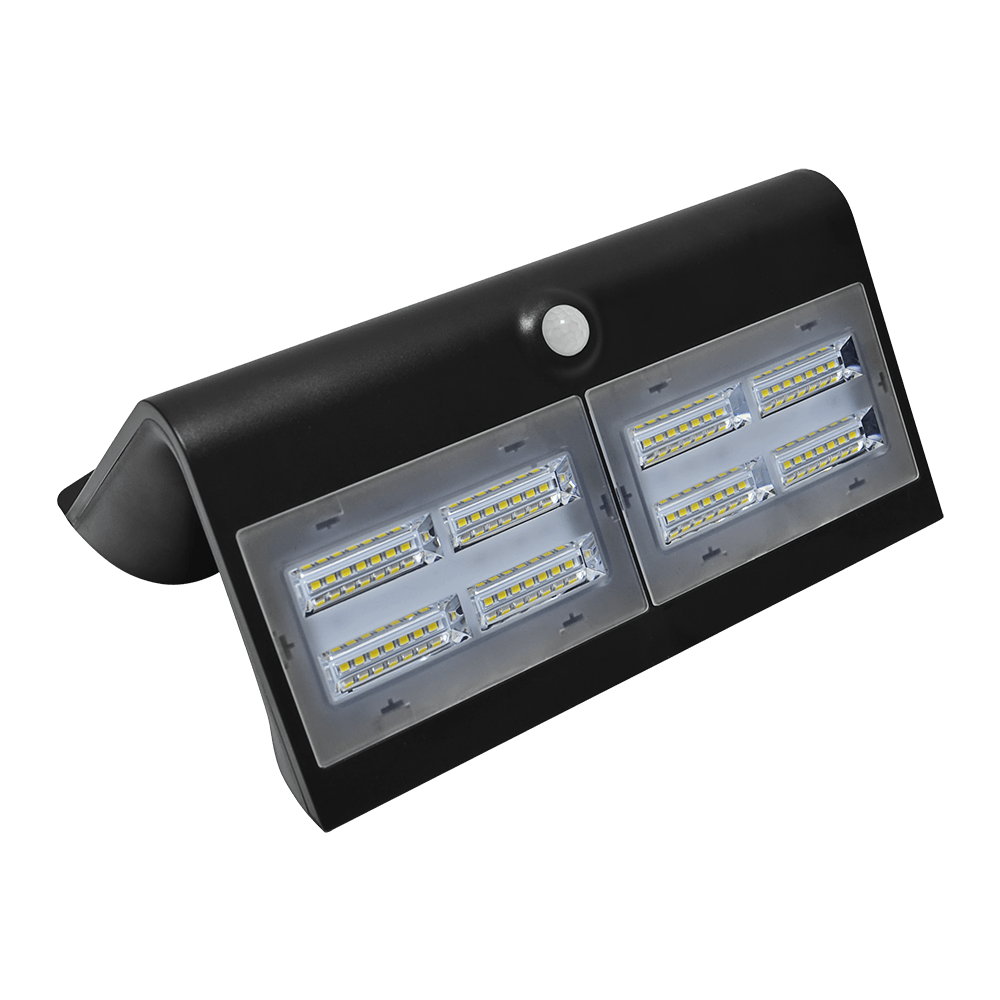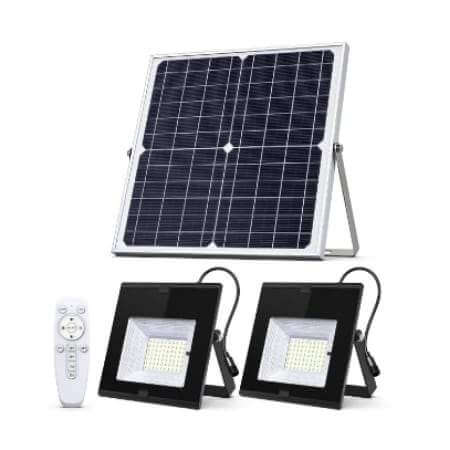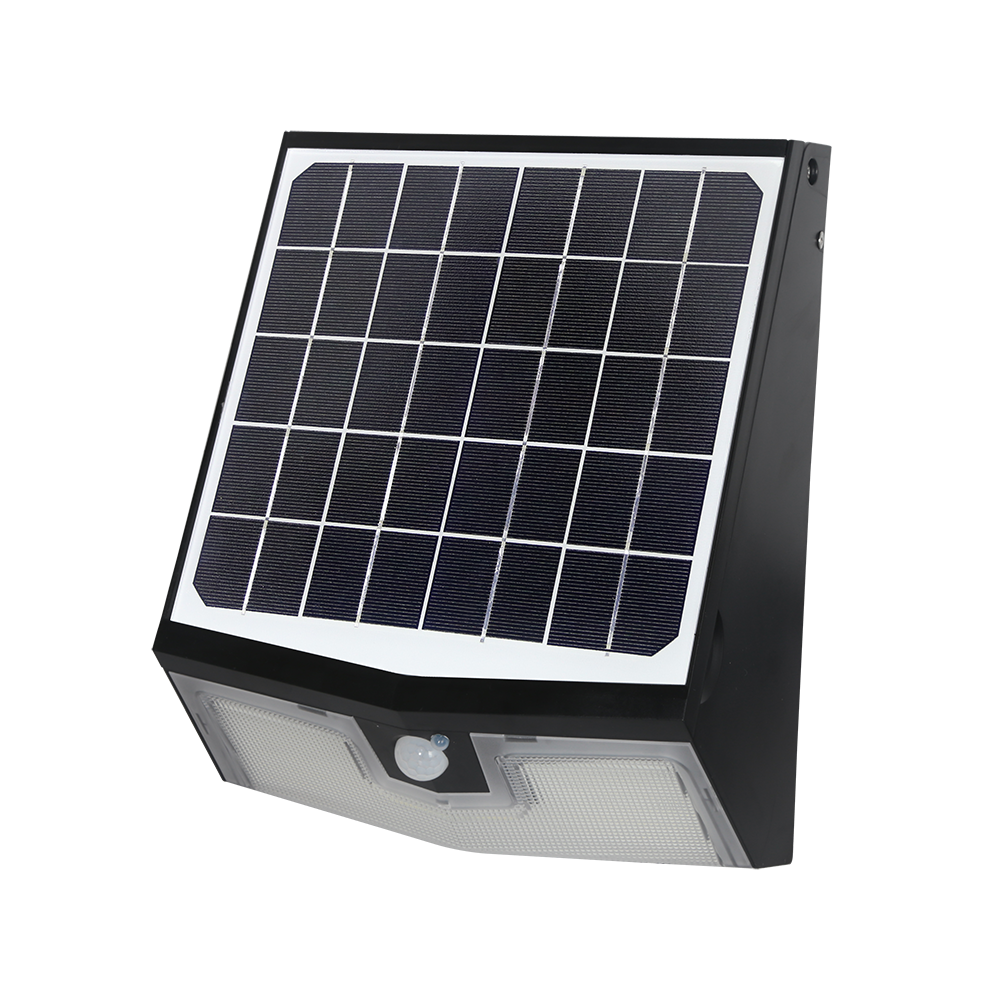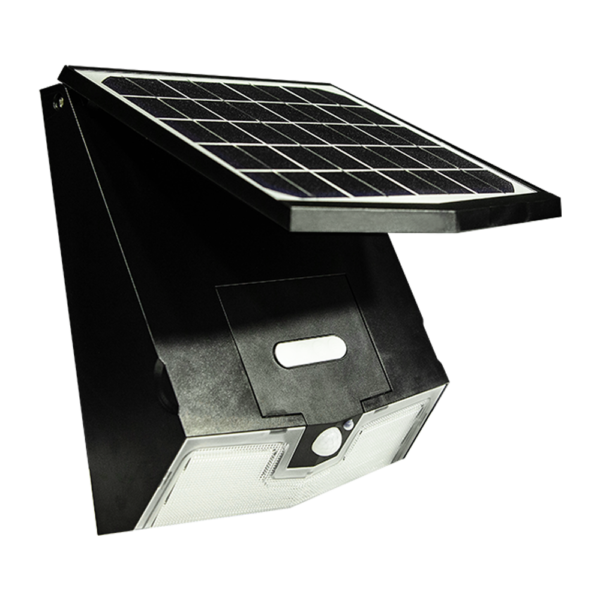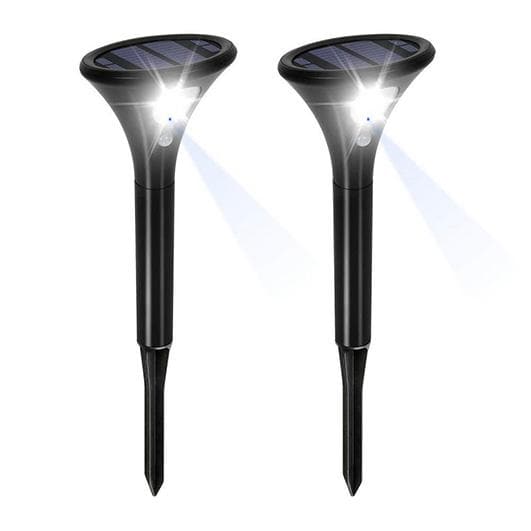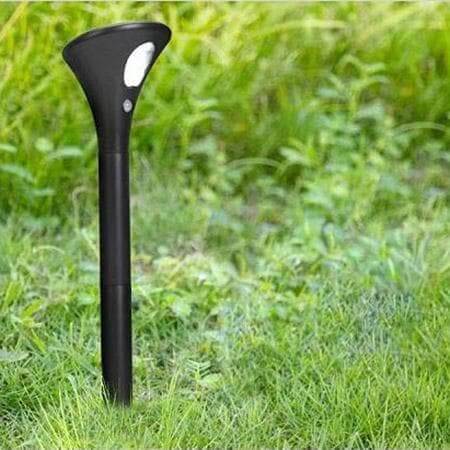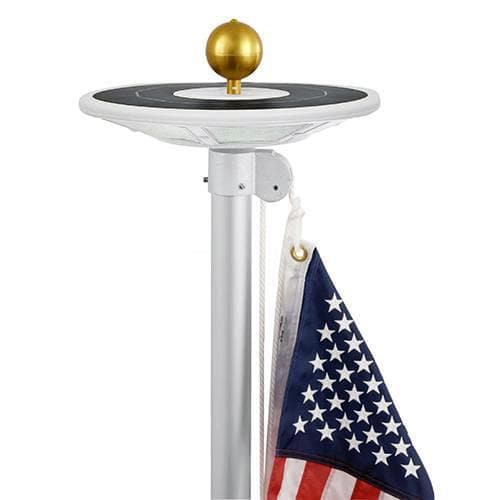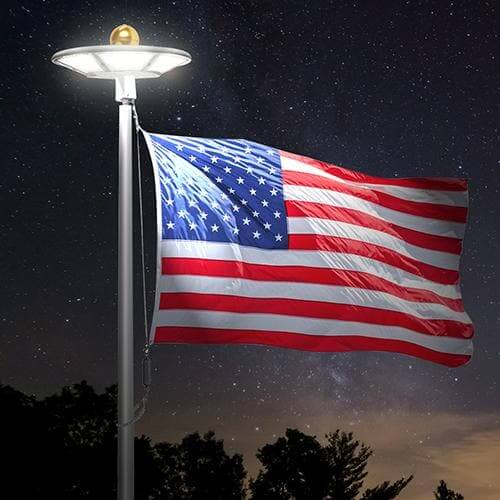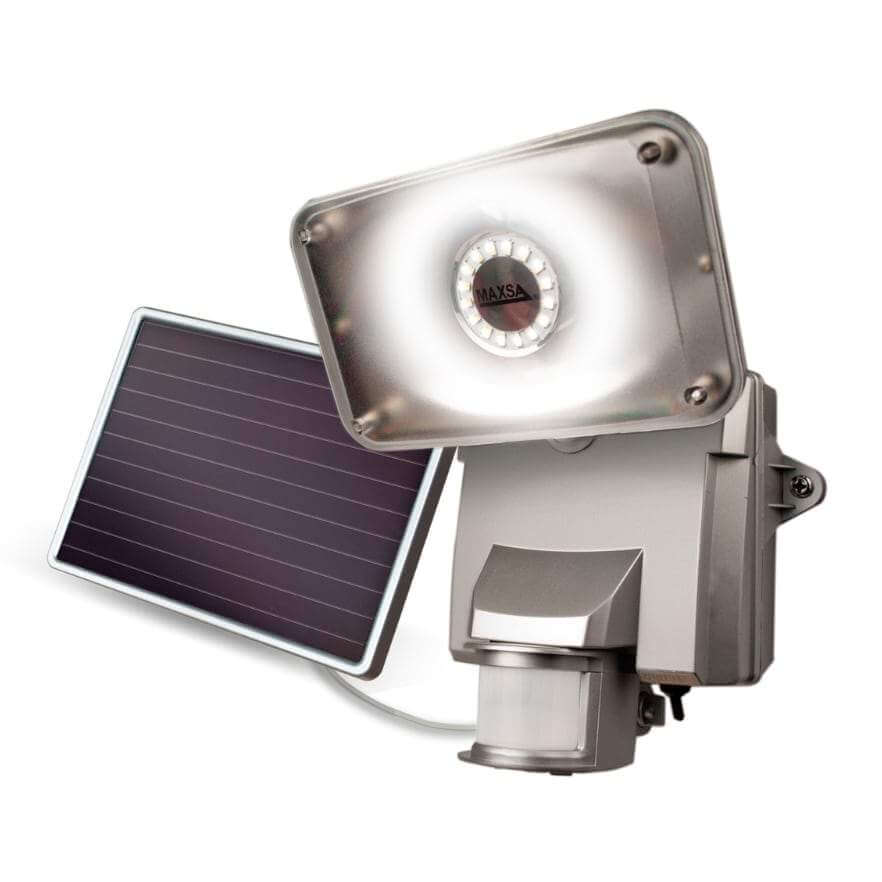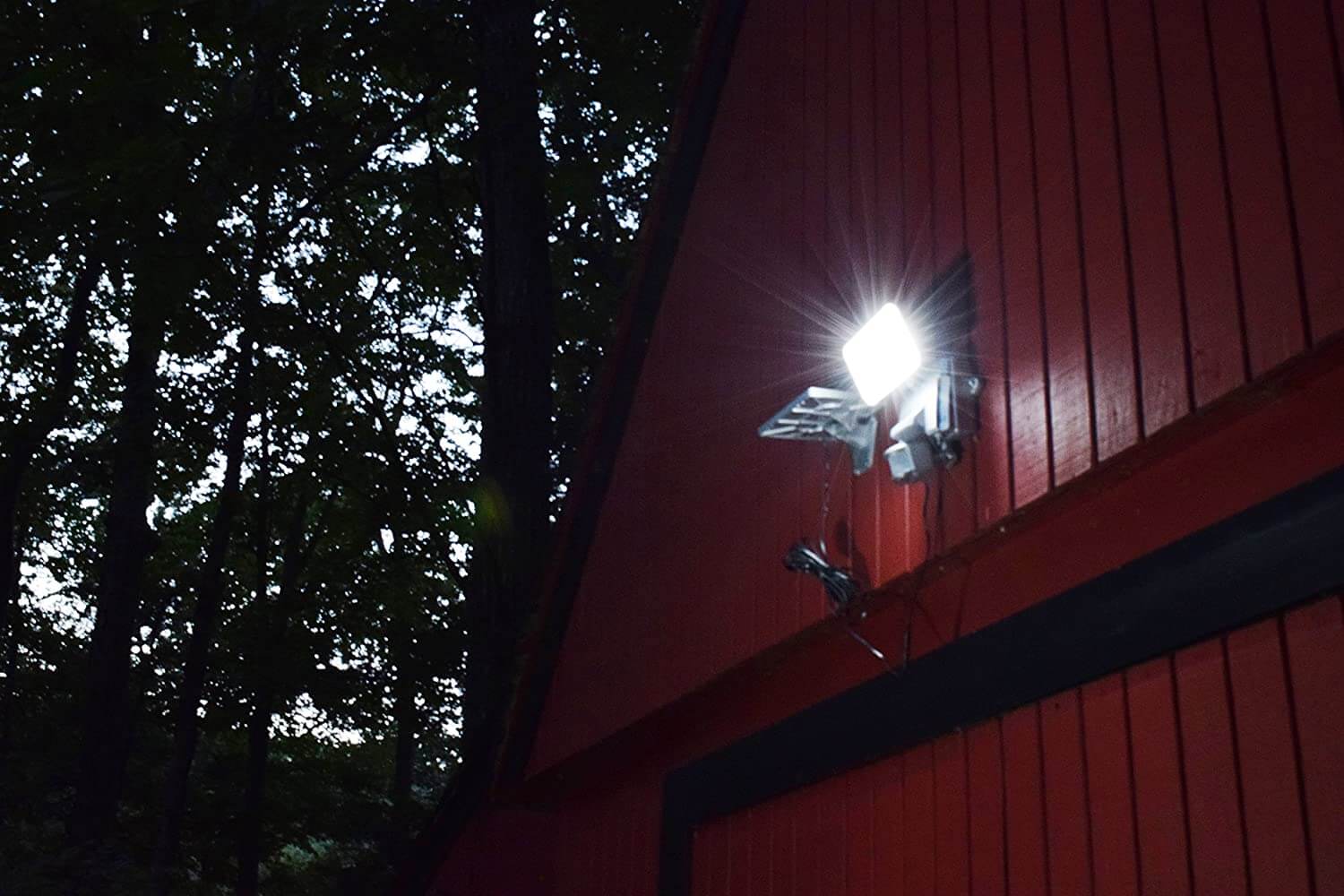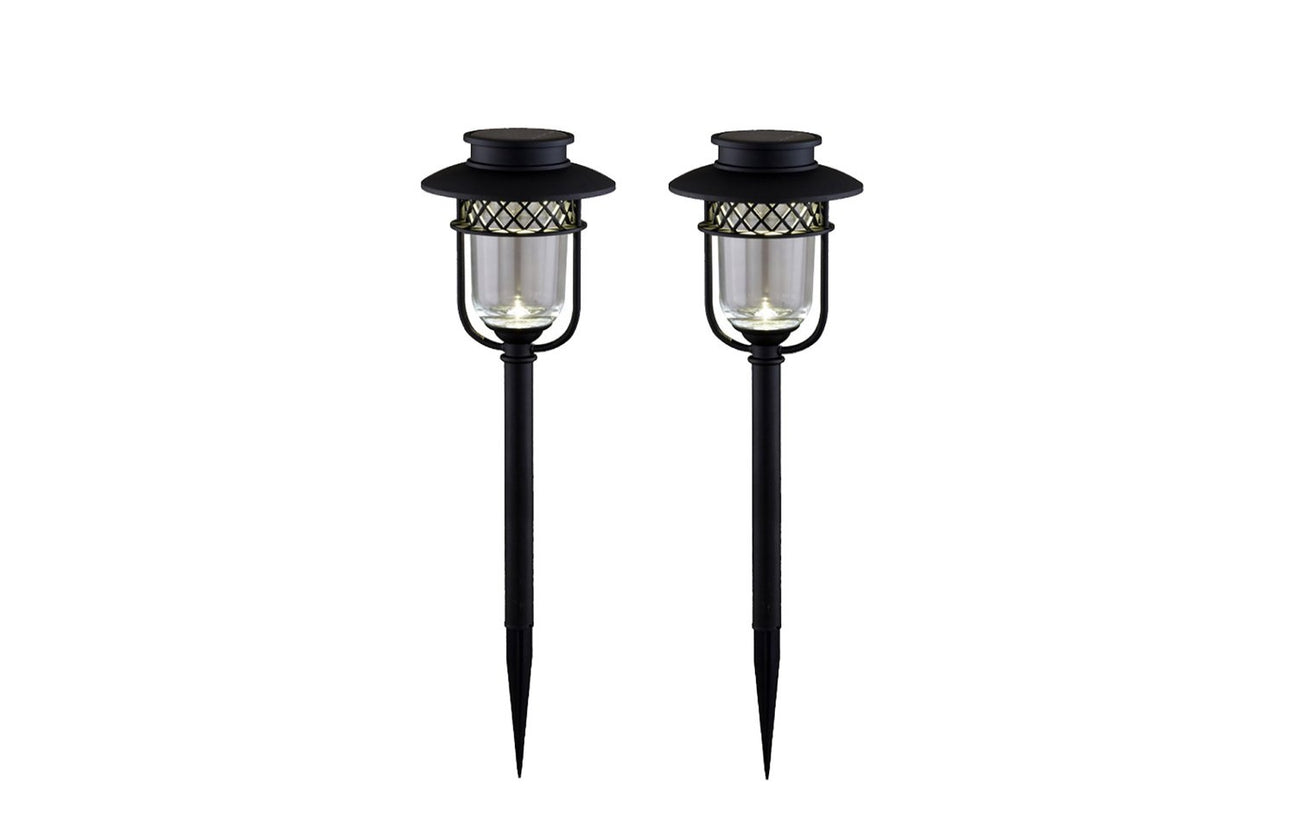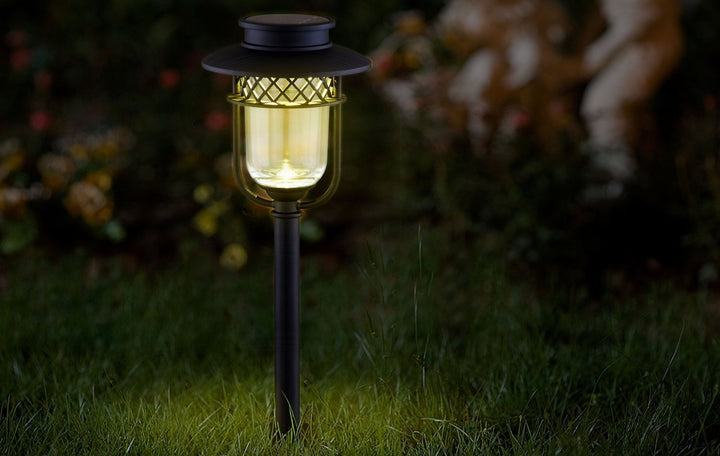
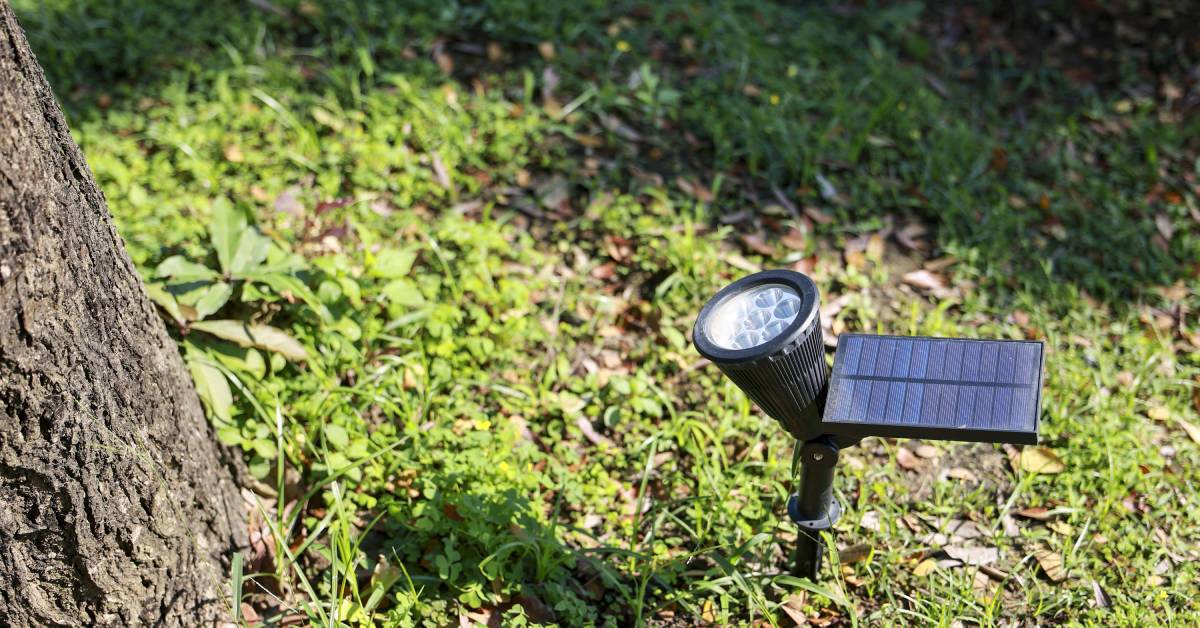
Outdoor solar spotlights can make a lawn feel more welcoming while helping paths and unique features stand out after sunset. However, the fixture’s battery plays a large role in how well it performs from one evening to the next.
This makes it important for you to understand the factors that impact solar spotlight battery health. By knowing these, you can better ensure your lights perform as needed.
Battery Quality and Compatibility
One thing that can affect a battery’s health is how well the company manufactured it. A weak battery may not hold a charge well, causing an LED solar spotlight to perform poorly even when its panel receives plenty of sun. This makes it important to use a battery from a reliable manufacturer.
You should also use a battery compatible with your solar spotlight. If it has the wrong voltage, capacity, or chemistry, it may overwork during daily use and lose its ability to hold a charge sooner. Choosing the recommended battery type helps the spotlight charge the battery more consistently and reduces the chance of early wear.
How Much Sunlight the Panel Receives

The amount of sunlight your solar spotlight receives can also affect battery health, as the panel needs enough to fully recharge the battery during the day. When a spotlight sits under a tree canopy or beside tall shrubs, the battery may undergo repeated shallow or incomplete charging cycles. Over time, that pattern can make the battery work harder and reduce its ability to hold a charge.
Homeowners should watch how sunlight moves across the lawn before choosing a placement for each fixture. A location that looks bright in the morning may sit in shade for much of the afternoon, which can keep the battery from reaching a healthier charge level. Placing the panel in strong sunlight for several hours helps reduce battery stress and supports longer-lasting performance.
Dust and Debris on the Solar Panel
Just as the position of your solar spotlight can affect the battery, so can the panel's cleanliness. Dust and debris can reduce the panel’s ability to deliver sufficient power to the battery. When that happens repeatedly, the battery may spend more time undercharged, which can weaken its ability to hold a charge over time.
Homeowners can help protect battery health by wiping the panel with a soft cloth and mild water when buildup appears. This small habit matters more during the spring pollen season, after mowing, or after storms that leave dirt across outdoor fixtures. Keeping the panel clean improves the battery's charging cycle and helps reduce avoidable strain.
How You Take Care of the Battery

Another factor that impacts solar spotlight battery health is how well you care for the unit. If the fixture starts to dim or run for less time than expected, look for corrosion around the battery compartment or dirt that could interfere with charging. Catching these issues early can help the battery work better and may prevent a small maintenance problem from shortening its life.
Homeowners should also avoid mixing old and new rechargeable batteries in the same fixture if the design uses more than one. The older battery may drain faster, which can make the entire light perform poorly and place extra strain on the newer battery. Using the recommended battery type and replacing them as a matched set can help the spotlight run more reliably.
The Battery’s Age
Every rechargeable battery wears down with use, even when the homeowner takes good care of the fixture. Solar spotlight batteries charge during the day and discharge at night, which means they undergo many cycles over months and years. Over time, the battery may hold less charge and power the light for fewer hours.
Aging can show up as inconsistent performance from one night to the next. If the panel stays clean, the fixture receives full sun, and the light still fades early, the battery may have reached the end of its service life. Replacing an old battery can restore performance without replacing the entire spotlight.
Temperature Swings
Outdoor solar spotlights endure hot afternoons and cold nights as the seasons change. Heat can strain a battery, especially when a fixture sits near stone, concrete, or other reflective surfaces that retain heat after sunset. Cold temperatures can also reduce the battery’s ability to deliver power through the night.
Homeowners cannot control the weather, but they can choose thoughtful locations that avoid extreme heat buildup when possible. A fixture placed in a sunlit lawn area may charge well without sitting against a heat-retaining wall or paved surface. Smart placement can help the battery avoid excessive stress while still allowing the panel to access sunlight.
Moisture and Weather Exposure
Another example of outdoor conditions that can affect your spotlight’s battery is moisture. Rain, sprinklers, poor drainage, and low spots in the lawn can expose the light to more moisture than it should face. If water reaches the battery compartment, corrosion can interfere with charging and shorten battery life.
Homeowners should check that battery covers and fixture housings stay secure after installation or battery replacement. A light that tilts into standing water or sits in a soggy area may face more wear than one placed in well-drained soil. Keeping fixtures away from heavy sprinkler spray and pooling water helps protect the battery compartment.
Storage During Long Breaks
Some homeowners store solar spotlights during harsh weather or seasonal changes. However, this time away from the sun can affect battery health if the fixture sits unused for months. This may cause the battery to lose its charge and become harder to revive.
Before storing solar spotlights, homeowners should clean the fixtures, dry them, and keep them in a cool indoor location. It also helps to follow the manufacturer’s guidance for battery removal or storage charging when available. Good storage habits can make it easier to bring the lights back into service when the lawn is ready for them again.
After learning about the various factors that can affect the health of your solar spotlight’s battery, you can make better choices and avoid many of the problems that lead to dim or short-running lights. A little attention to charging conditions and battery care can help extend the battery's lifespan.
If you need bright solar spotlights for your lawn, contact Outdoor Solar Store today. We provide durable, dependable products that help you keep your properties well-lit at night.