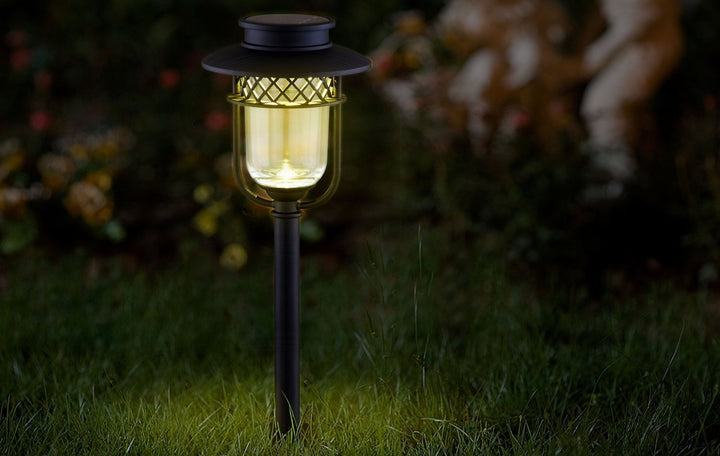
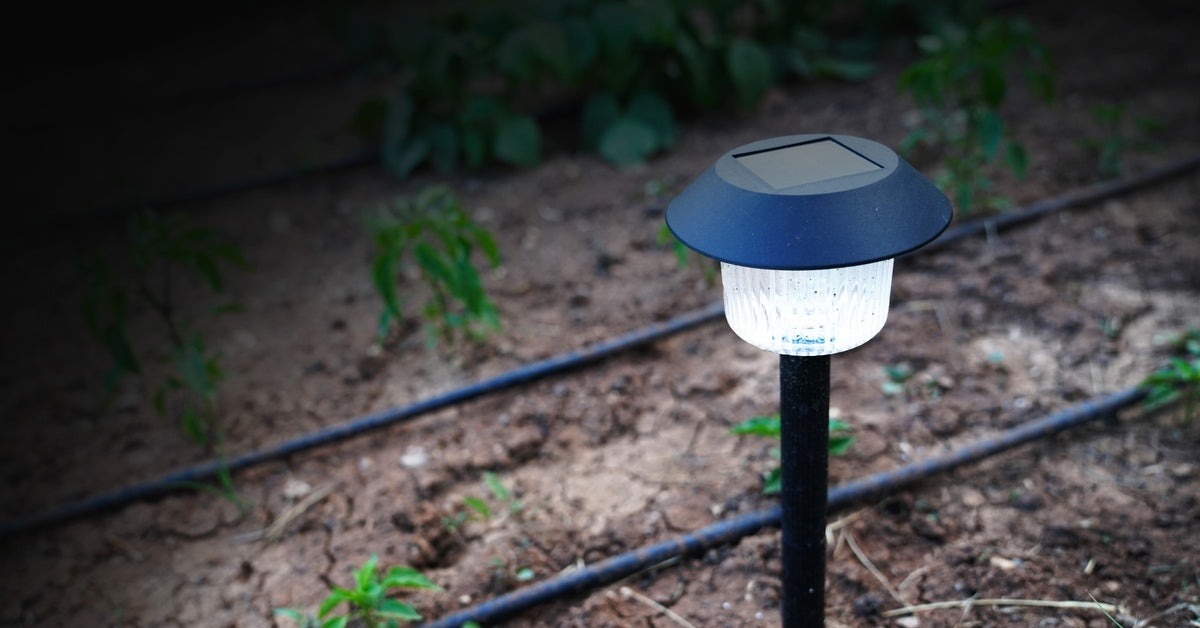
Outdoor lighting adds an elegant touch of style and safety to any home, but installing lights with running wires can be complicated and costly. This is why so many homeowners are turning to solar-powered options for their gardens, walkways, and patios. Understanding the technology behind these convenient devices is simple, and this beginner's guide to how solar lights work will give you all the information you need.
The Components of a Solar Light
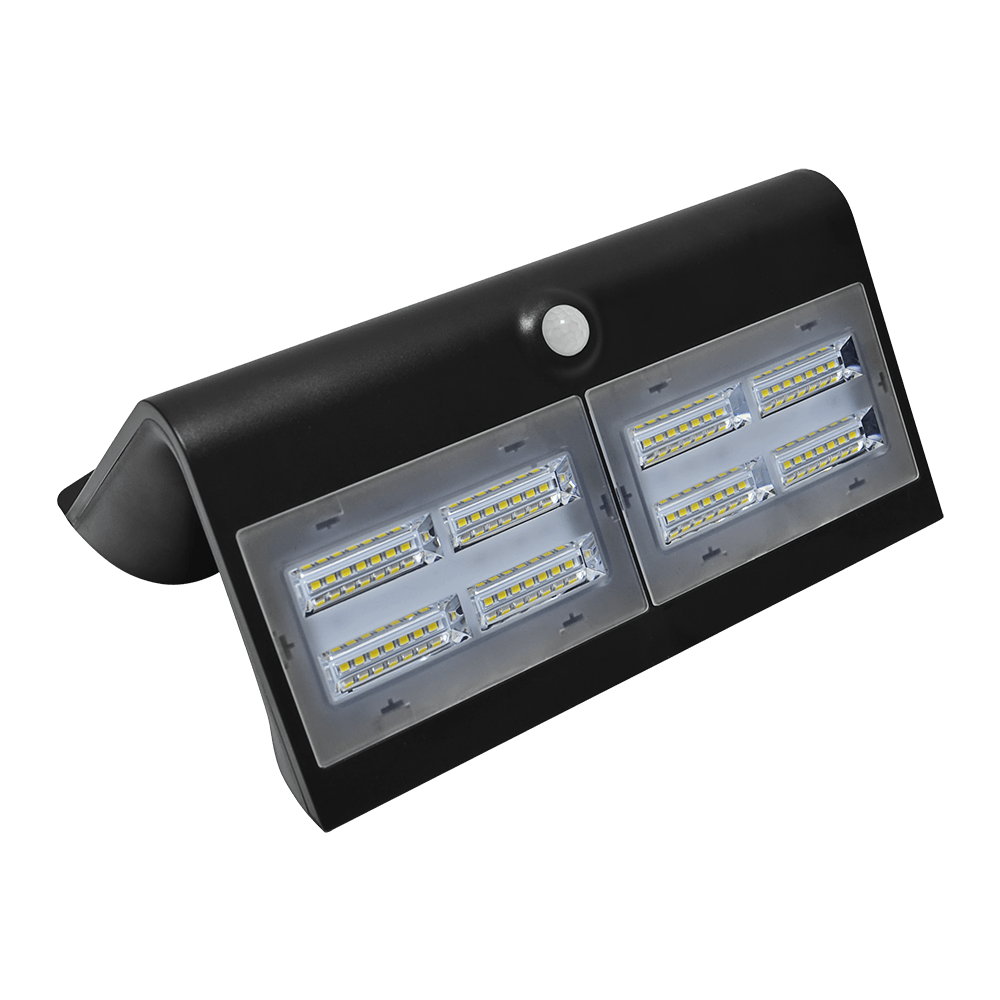
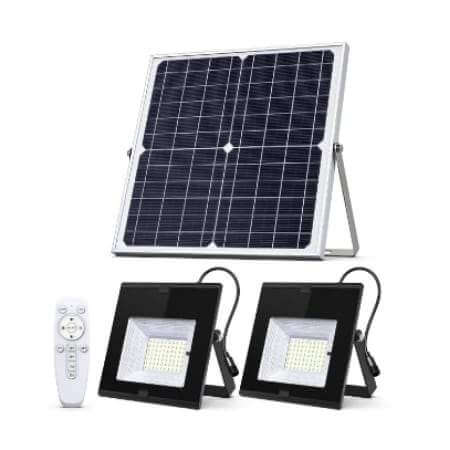
The optimal solar light setup features a combination of innovative components working seamlessly together to illuminate lawns at night. Each part has a specific job, and when they’re all connected, you get hassle-free outdoor lighting that works.
The Solar Panel

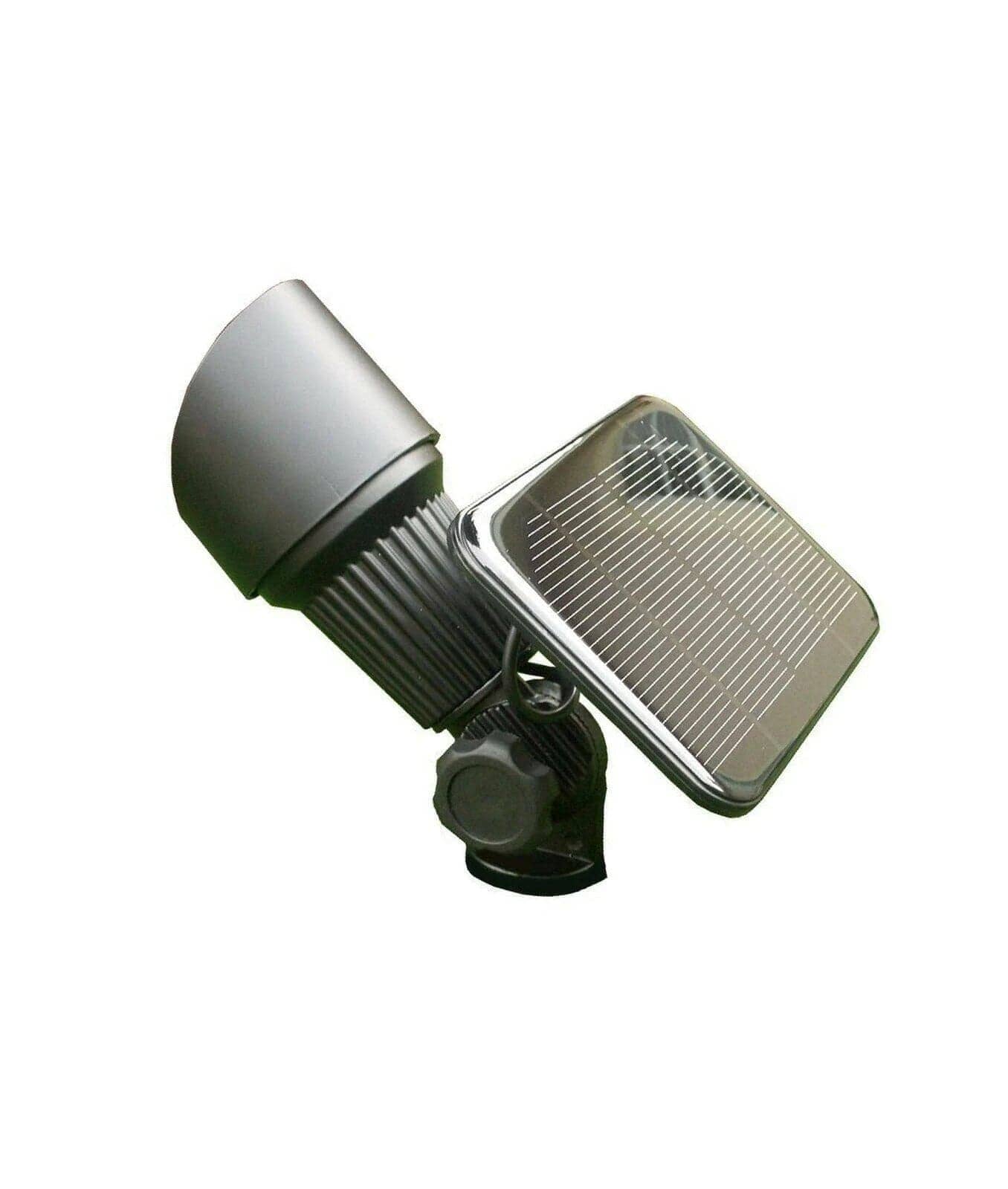
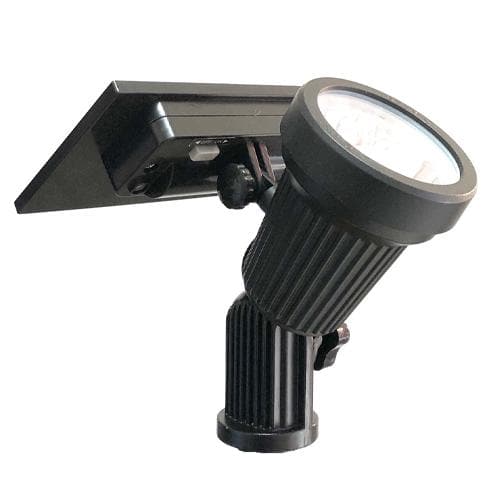
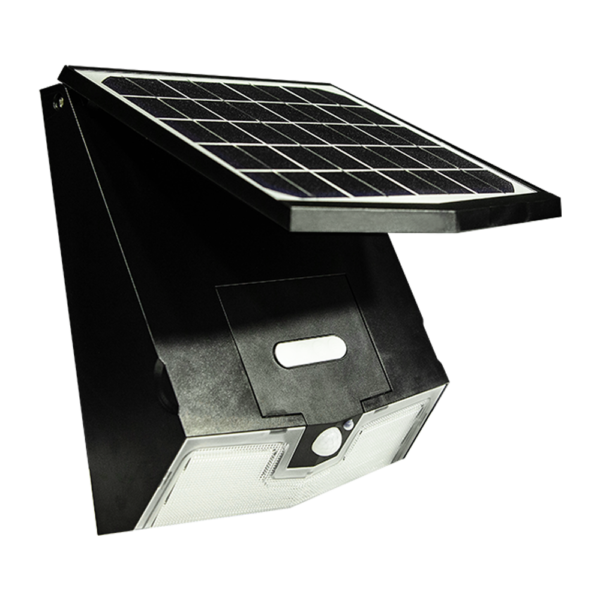
At the heart of every solar light is a small photovoltaic panel. This component is responsible for the "solar" part of the light. During the day, this panel, which consists of layers of crystalline silicon and chemicals, captures sunlight.
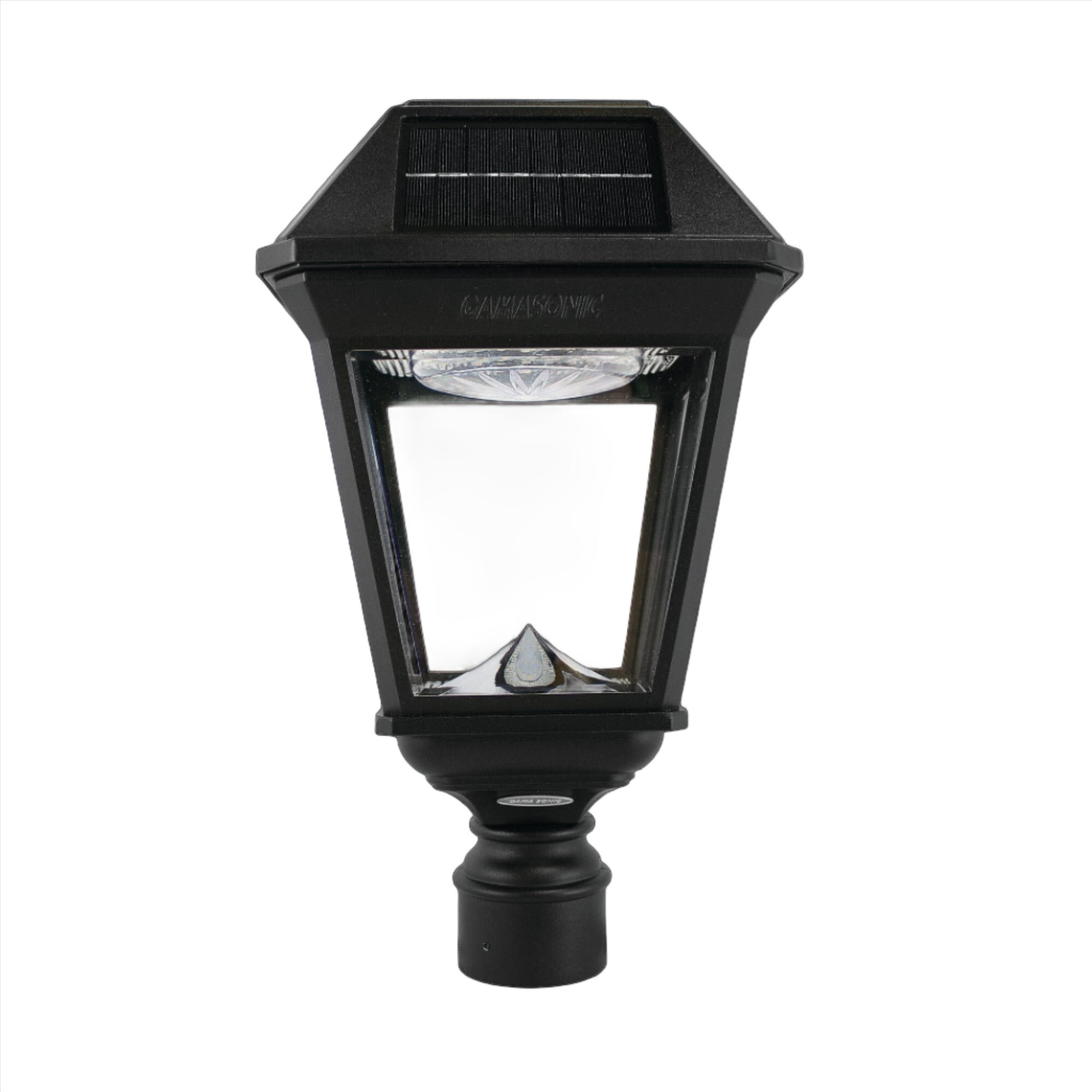
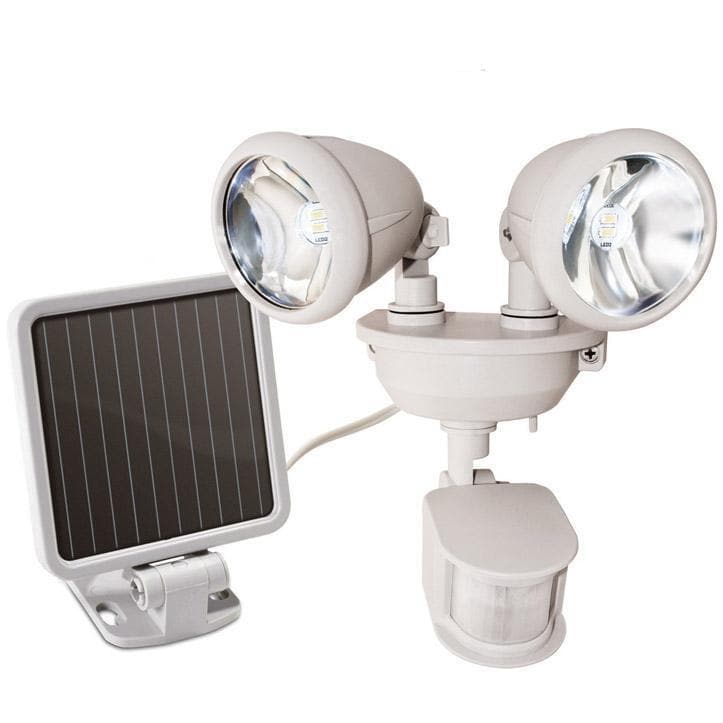
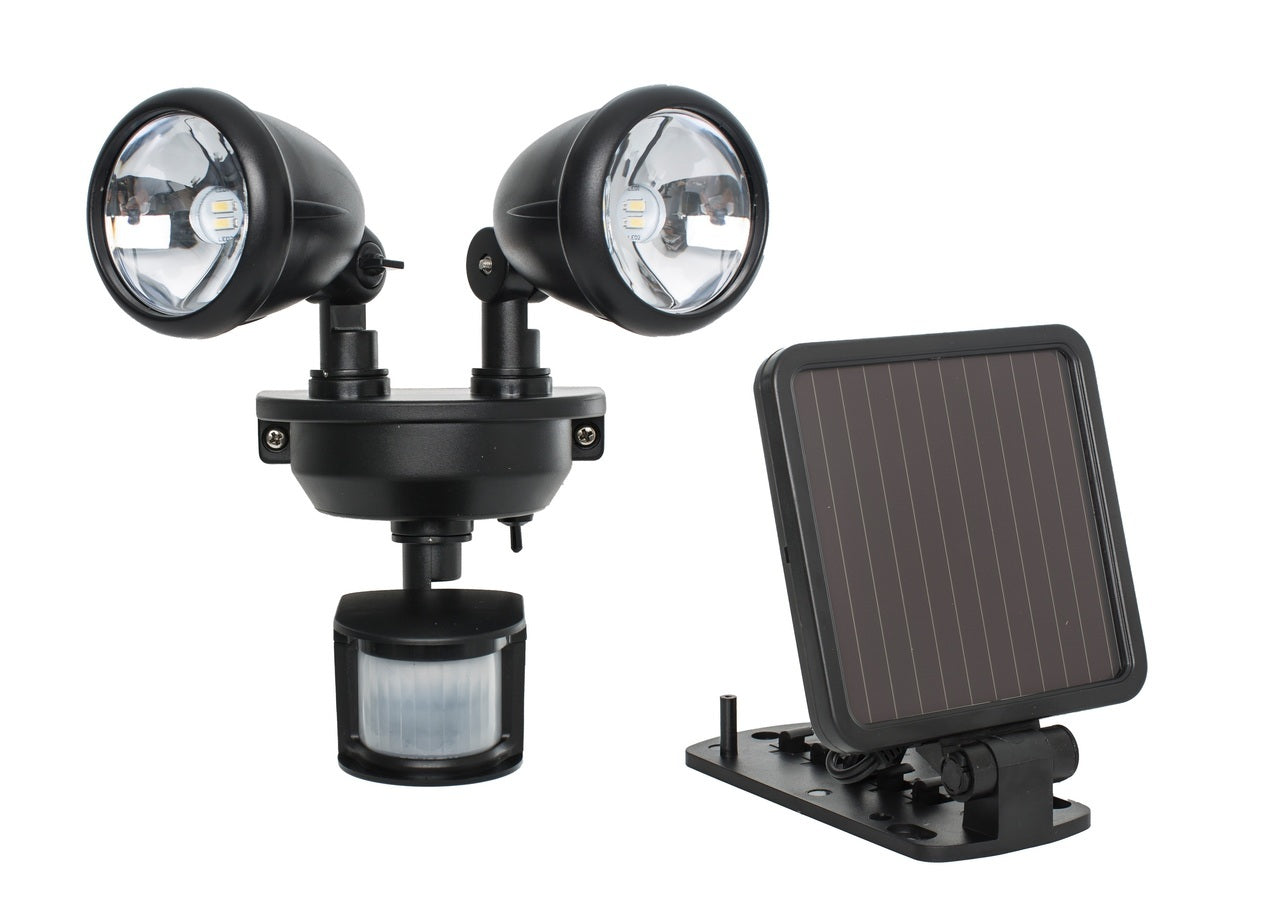
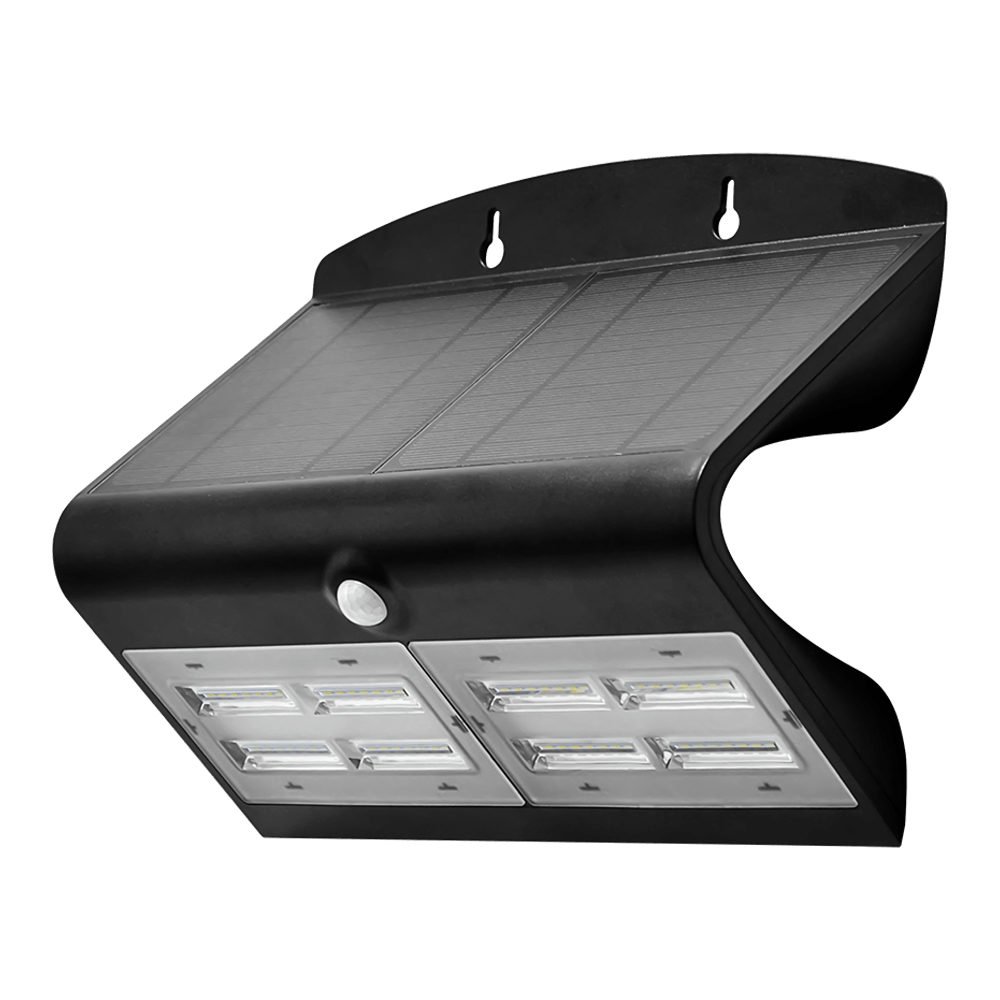
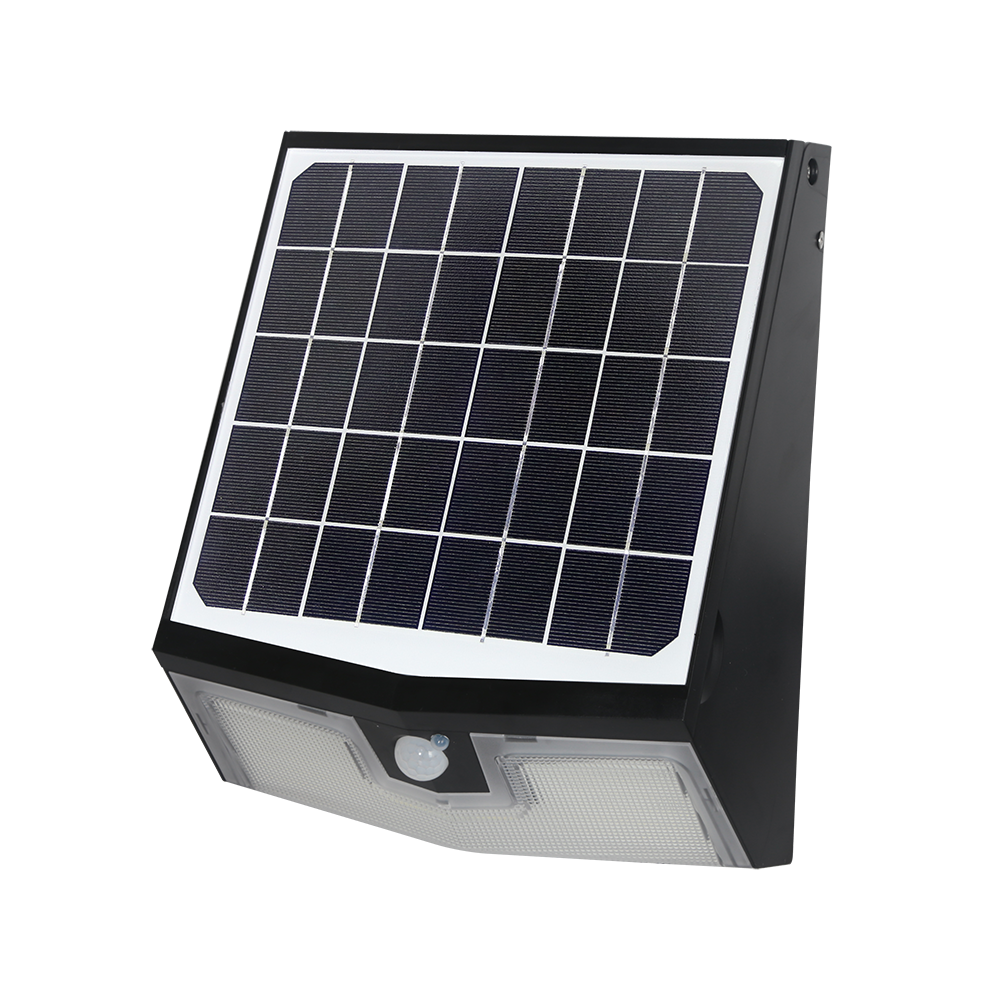
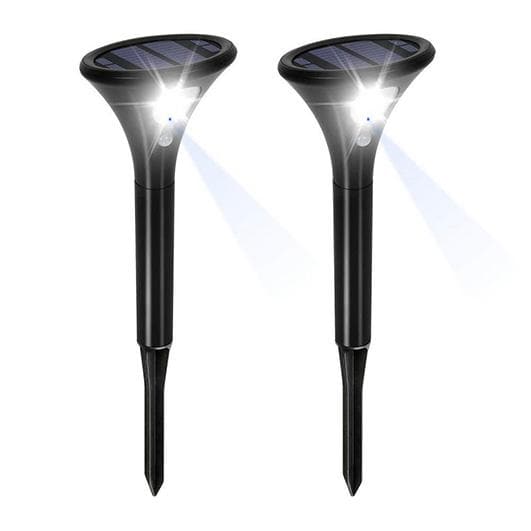
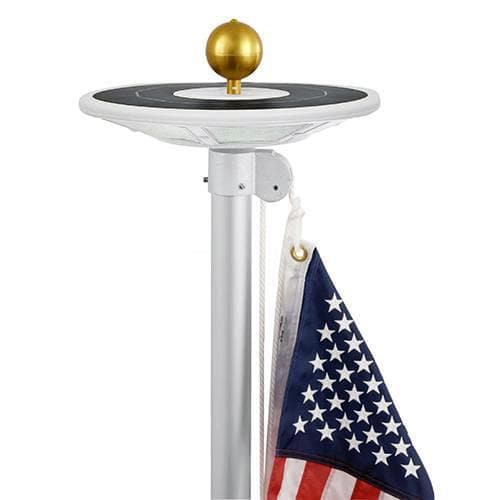
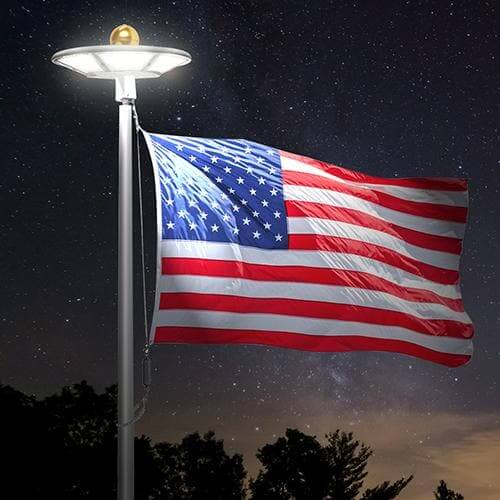
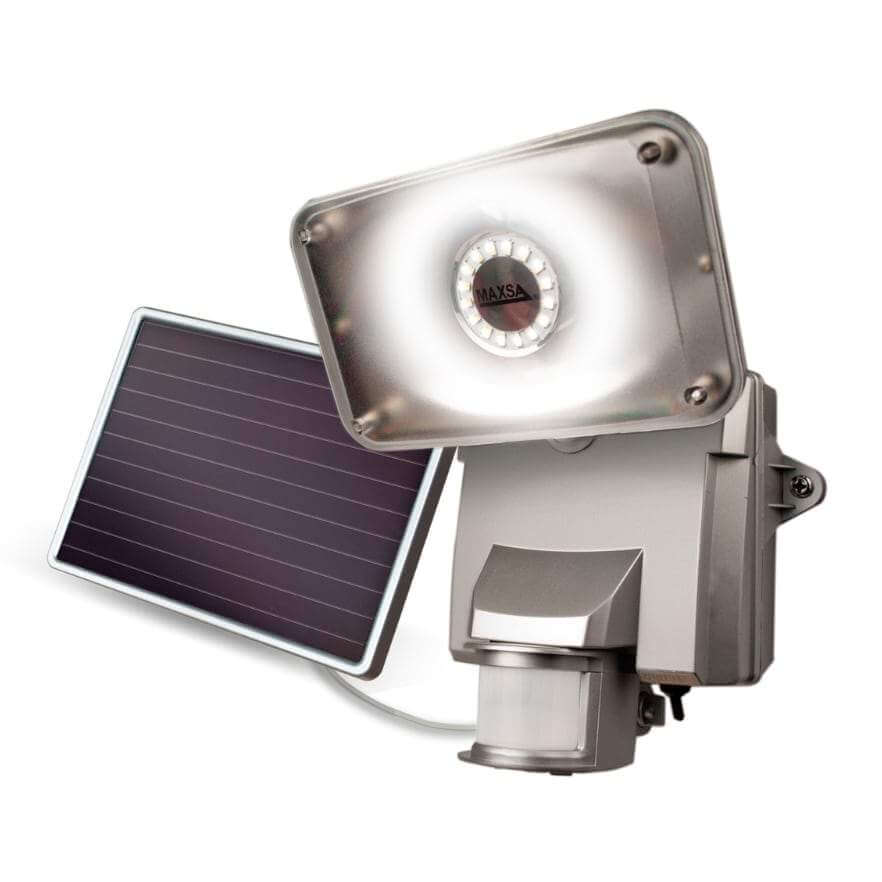
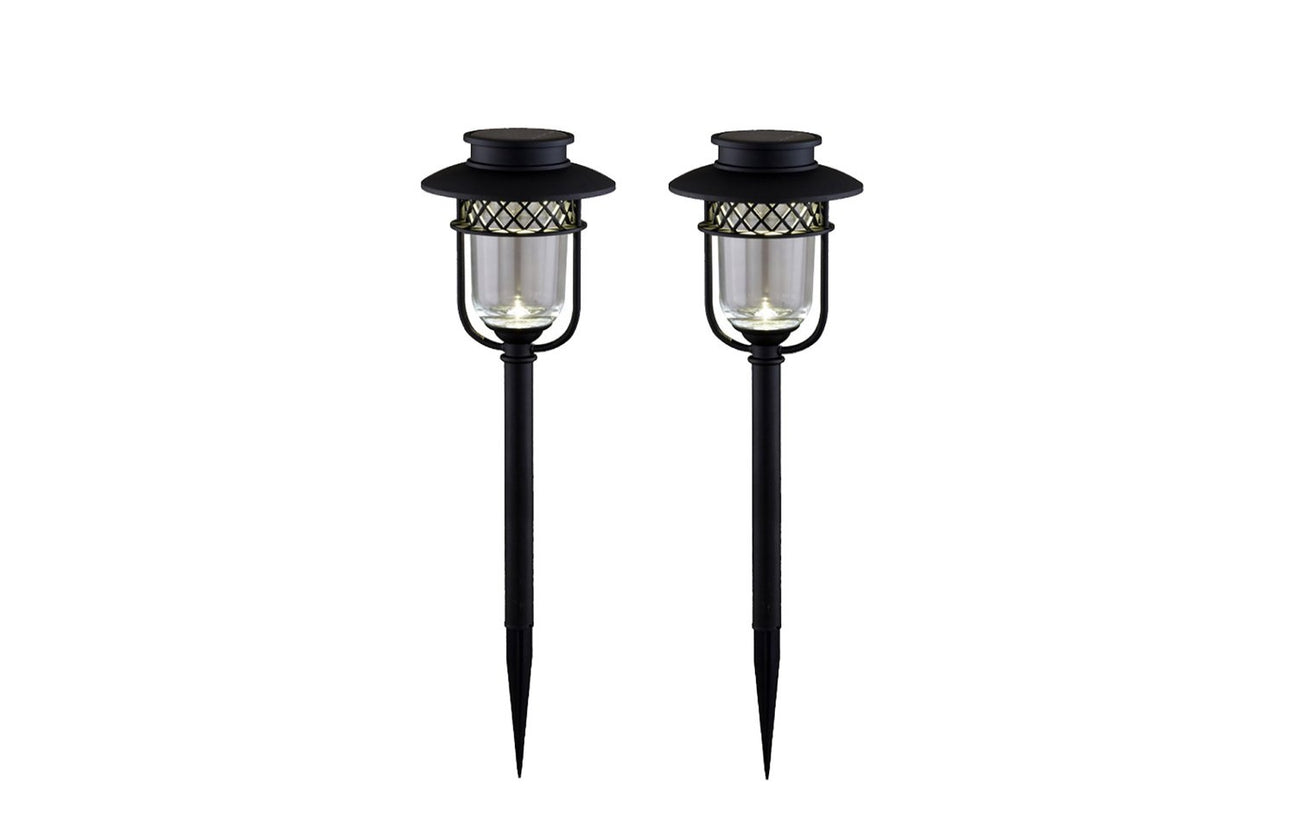
When sunlight hits the panel, it excites electrons in the silicon, generating direct current (DC). This process, known as the photovoltaic effect, is the fundamental first step that allows the light to power itself. You can find this dark, often grid-lined square or rectangle on the top of various solar-powered lamps, pathway lights, or streetlights.
The Rechargeable Battery
When a solar panel generates electricity, the light needs to store it somewhere so it can operate after the sun goes down. This is the job of the rechargeable battery. Many solar lights use nickel-metal hydride batteries, while others may use lithium-ion batteries.
The DC electricity from the solar panel flows into this battery throughout the day, charging it up. A fully charged battery holds enough power to keep the light illuminated for a full night, usually 8–12 hours, depending on the model and the amount of sunlight it receives.
The LED Bulb
The part of the solar light that actually produces illumination is the light-emitting diode (LED). These small bulbs are a perfect match for solar applications because they consume much less power than traditional incandescent bulbs.
This low power draw means the battery's stored energy lasts much longer, ensuring your pathway or garden stays lit from dusk until dawn. LEDs also have an incredibly long lifespan, often lasting tens of thousands of hours, so you rarely have to worry about replacing the bulb. Additionally, they come in various colors and brightness levels, allowing for a wide range of decorative and functional lighting styles.
The Controller and Photoreceptor

Every solar light has a small, intelligent circuit board that acts as its brain. This controller manages the entire process, from charging the battery to turning the light on and off.
However, another key part of this system is a photoreceptor, or light sensor. This tiny sensor detects the amount of ambient light in the environment. When the sun is out, the photoreceptor signals the controller to direct the electricity from the solar panel into the battery for charging.
As dusk settles and sunlight decreases, the photoreceptor detects the change and tells the controller to switch modes. The controller then stops the charging process and redirects the stored power from the battery to the LED bulb, turning the light on automatically. This provides homeowners with convenience, allowing them to avoid the hassle of turning the light on and off.
Tips for Using Your Solar Lights
Now that you understand how solar lights work, you may wonder how to get the best use out of them. Here are a few helpful tips to ensure your setup stays bright and reliable.
Finding the Right Spot
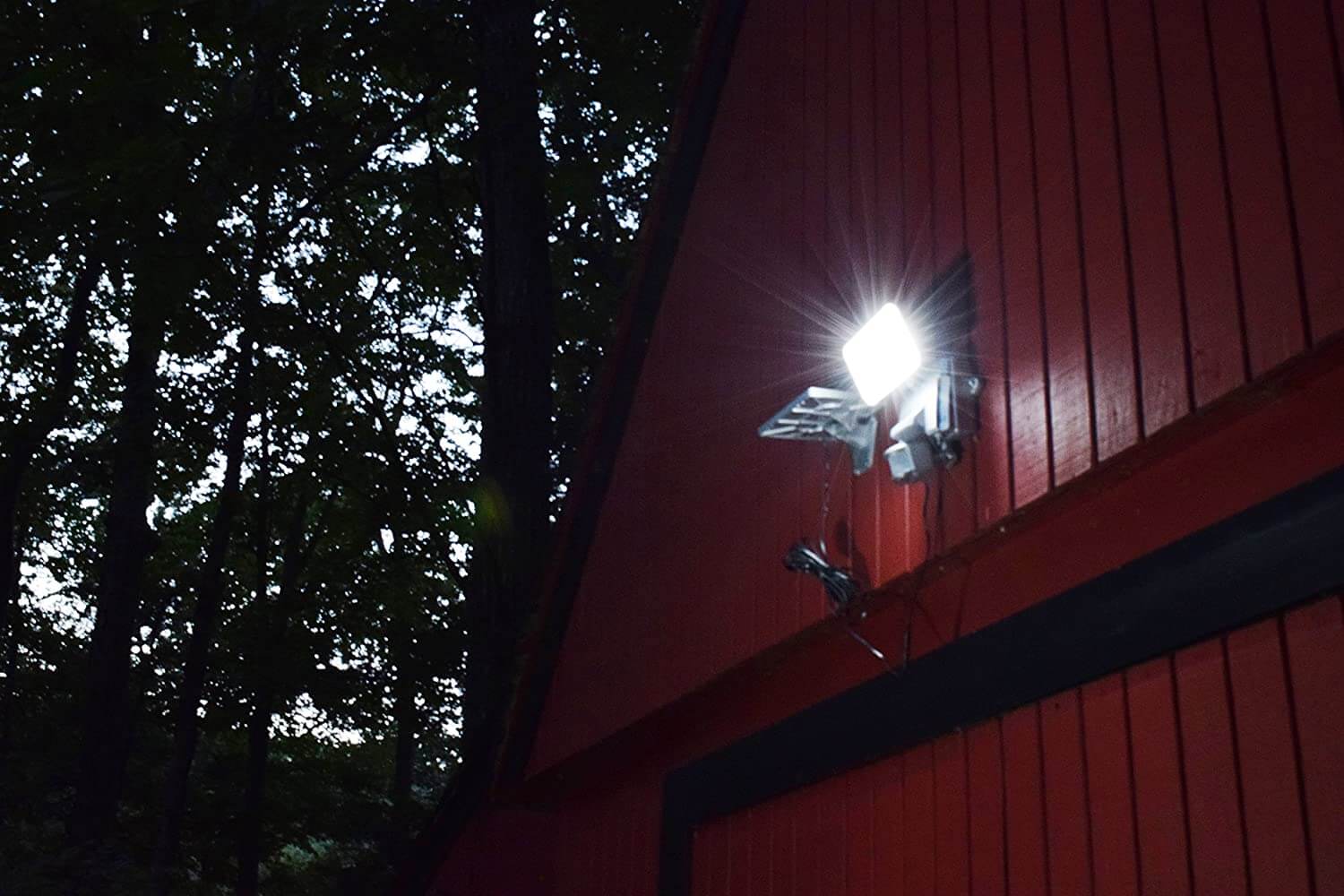
A solar light’s placement is crucial to ensure that it performs at its best. You will want to position it in a spot that receives as much direct sunlight as possible throughout the day, ideally a south-facing location. That will allow you to fully charge the battery.
Before you place your lights, take a moment to observe your yard and identify spots that receive sunlight. Avoid putting them under dense tree canopies, porch overhangs, or in the shadow of your house. If a light is not shining as brightly as you would like or is not lasting through the night, the first troubleshooting step is always to move it to a sunnier location.
Let Your Solar Lights Fully Charge
It’s also critical to let your new solar lights charge for at least a full day or two in direct sunlight before expecting maximum brightness. Giving the battery time to fully absorb its initial charge helps set the stage for consistent performance night after night.
This little step goes a long way toward keeping your pathways and patios beautifully illuminated from the start. It only takes a bit of patience at the beginning for a better lighting experience all season long.
Perform Basic Maintenance
Solar lights are wonderfully low-maintenance, but a few simple steps will ensure they continue to function properly for years. The most important task is to keep the solar panel clean.
Dust, dirt, and other debris can cover the panel and prevent it from collecting sunlight, so periodically wipe the panel with a soft, damp cloth to clear it off. In regions with heavy snowfall, you may need to brush snow off the panels after a storm. This minimal upkeep will maximize the light's performance and longevity, keeping your outdoor spaces beautifully illuminated.
Don’t Be Afraid To Experiment
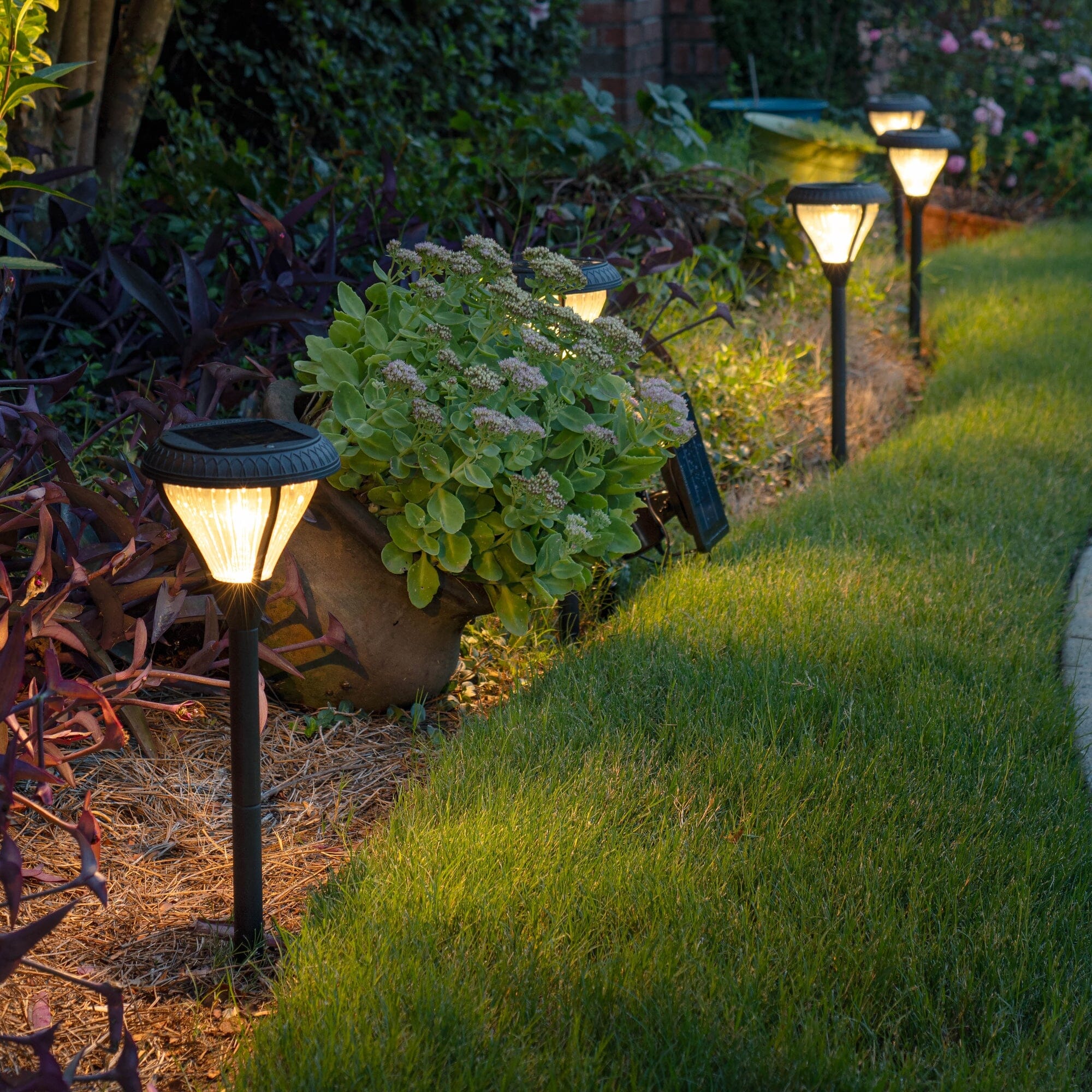
It’s also important to be creative with the arrangement of your solar lights. For example, try clustering several lights together to highlight garden features or line a winding path for a dramatic effect after sunset.
Moving your lights around occasionally can help you discover new ways to showcase your landscaping and keep your yard feeling fresh and inviting. With no wires to worry about, you can easily change up the look of your space whenever inspiration strikes.
Solar lighting offers a simple and versatile way to add ambiance and visibility to your home's exterior. Manufacturers build them to be automatic, self-sufficient, and easy for any homeowner to install and enjoy.
If you feel ready to transform your outdoor space with solar exterior lights, contact Outdoor Solar Store today. We offer a wide variety of high-quality, stylish options to make your landscapes more beautiful and welcoming.