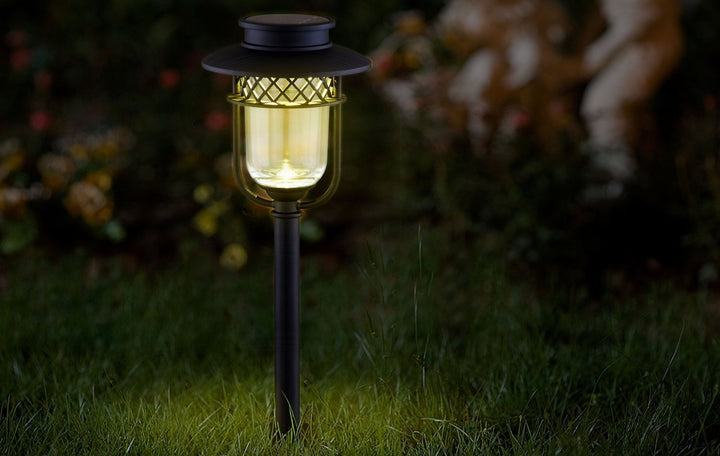
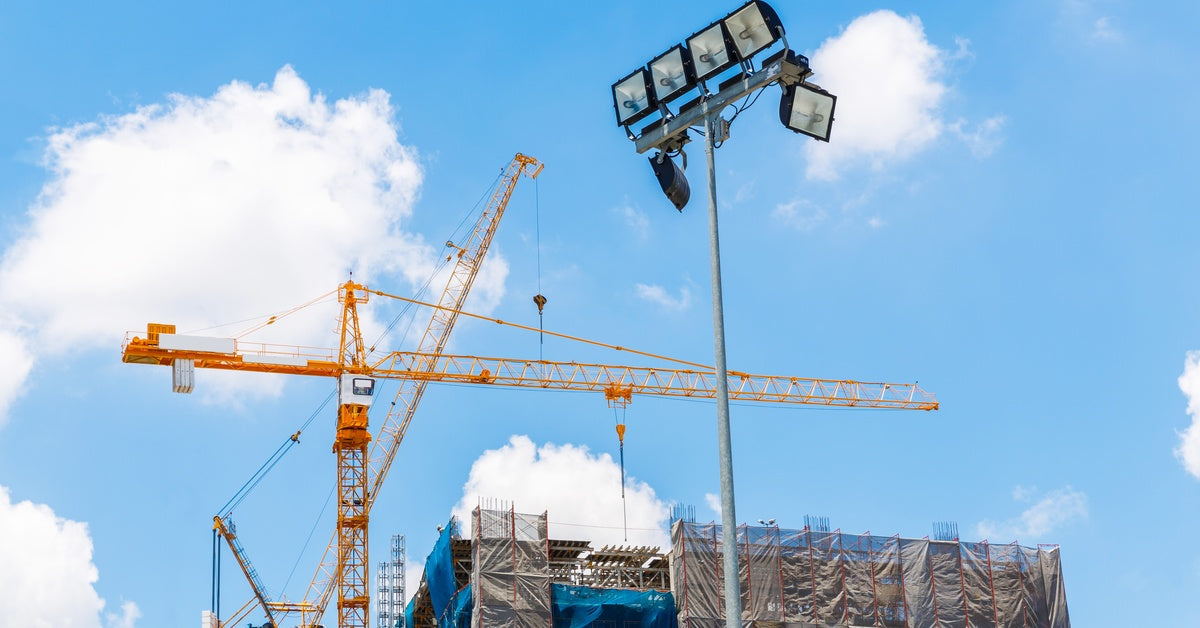
When construction firms build a project after dark or in low-light conditions, they need proper lighting to enhance safety and ensure workers stay productive and on schedule. Light towers can provide builders with the solutions they need, ensuring work continues around the clock.
For instance, builders often use solar-powered models because they offer significant advantages over traditional models. Read on to learn about the top features to look for in light towers so you can ensure you get a reliable and cost-effective solution for your job site.
Durability and Weather Resistance
Construction sites are demanding environments, and your equipment must be tough enough to handle dust, debris, heavy machinery, and unpredictable weather. This makes durability a significant concern. Look for units built with high-quality, rugged materials that promise longevity and can withstand the daily rigors of a construction zone.
Towers constructed from durable steel or lightweight aluminum are both excellent choices, as they’re built to withstand harsh conditions and resist rust, corrosion, and exposure to the elements. The base and chassis of the tower should be sturdy enough to provide a stable foundation, even on uneven terrain. Investing in a durable light tower means less downtime for repairs and a longer service life for your equipment.
Brightness and Coverage Area Capabilities
The purpose of a light tower is to provide adequate lighting at your worksite, so its brightness and coverage capabilities are critical. Modern light towers often use high-efficiency LED lights, which offer bright, clear illumination while consuming significantly less power than older metal halide lamps.
When assessing a light tower, look beyond just the lumen count. Consider the mast height and the adjustability of the light fixtures, since they affect the coverage area. A taller, telescoping mast allows light to be cast over a wider area, reducing shadows and the need for multiple towers. This ensures your entire work area is safely and adequately lit, from excavation pits to material staging areas.
A Convenient Power Source

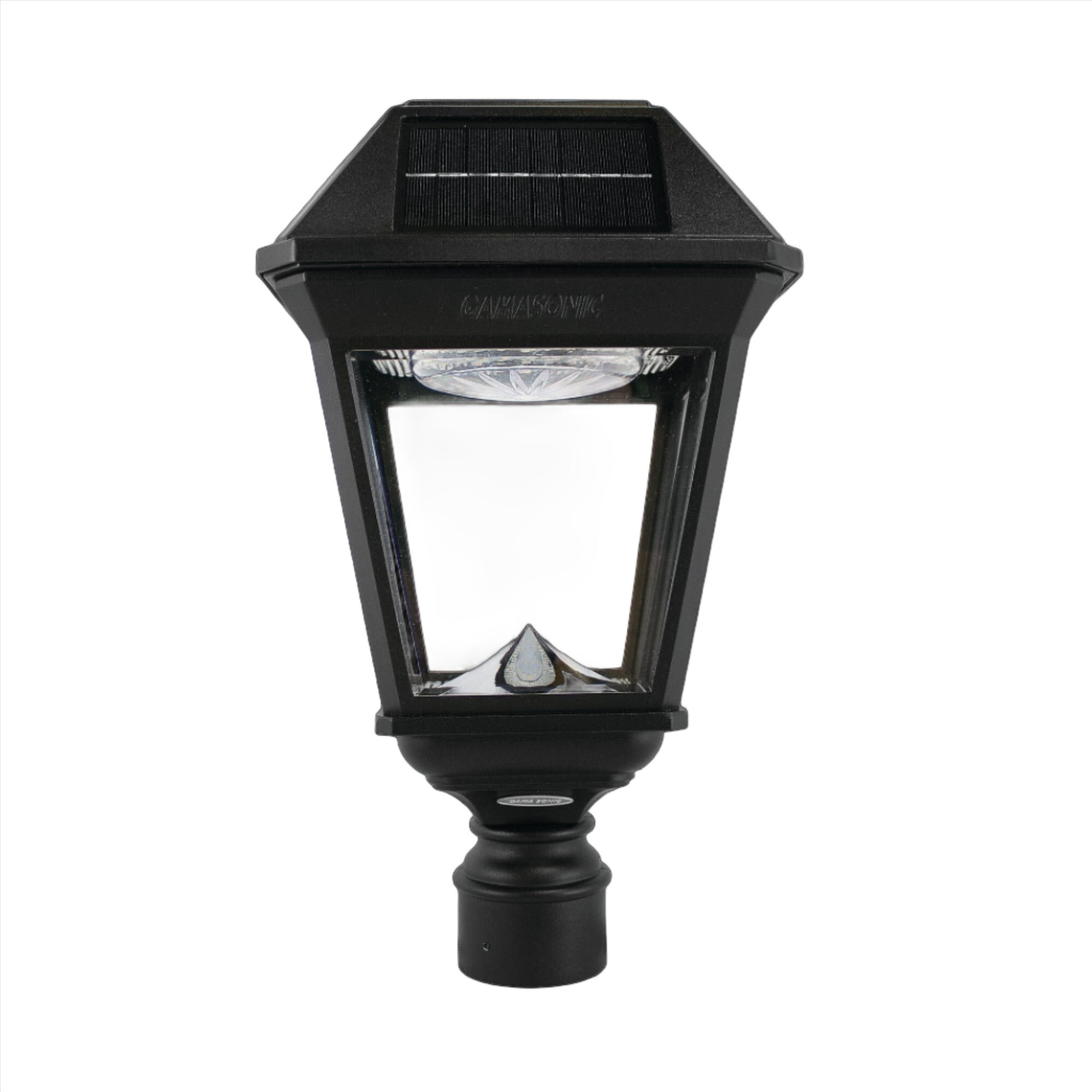
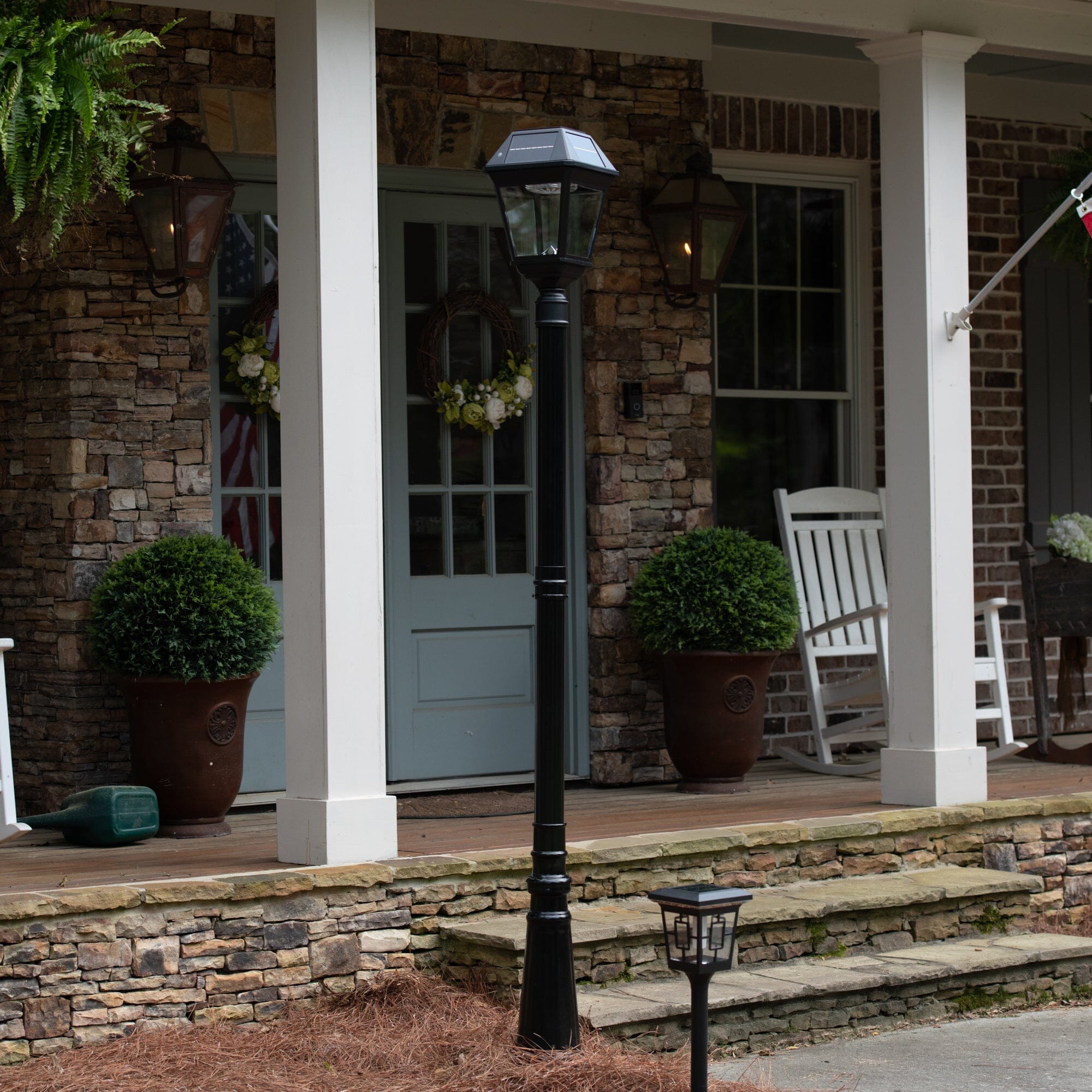
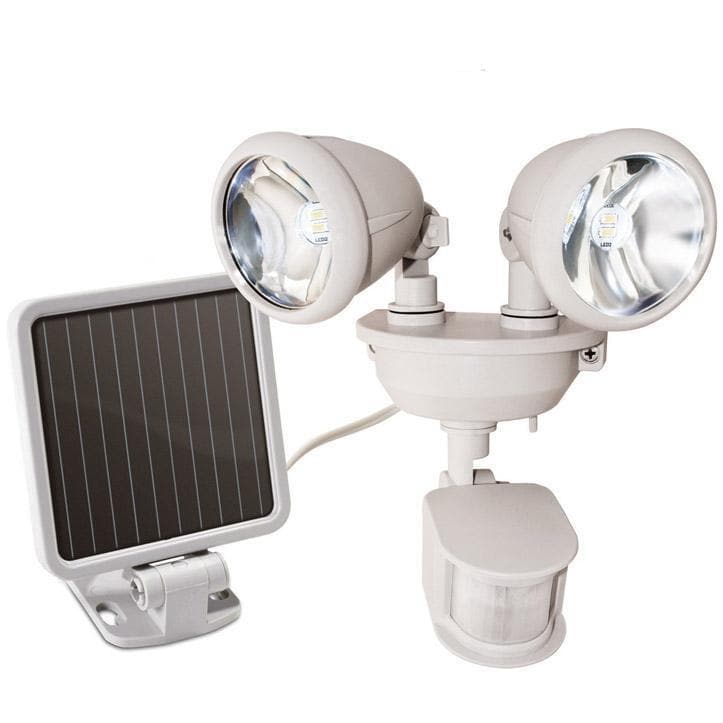
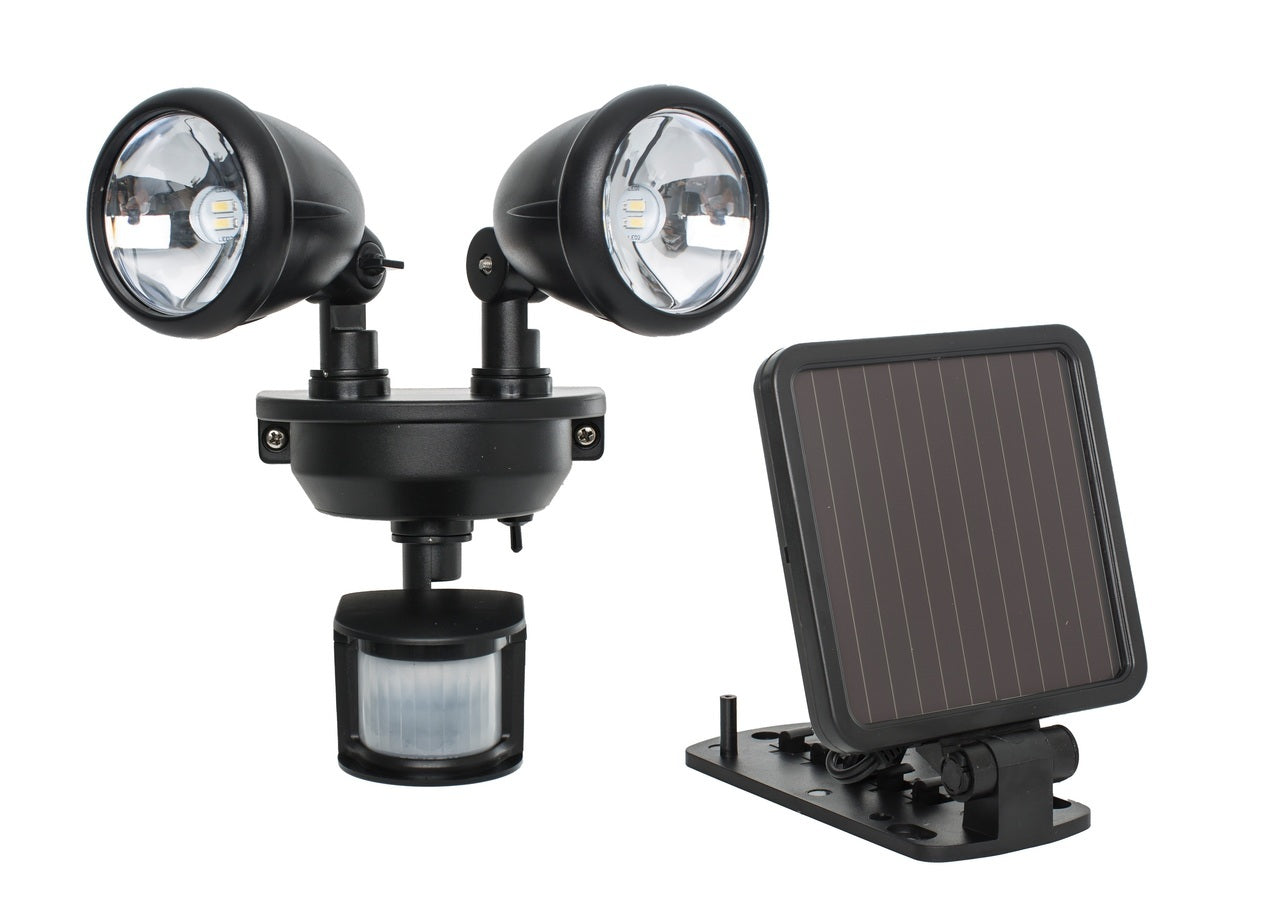
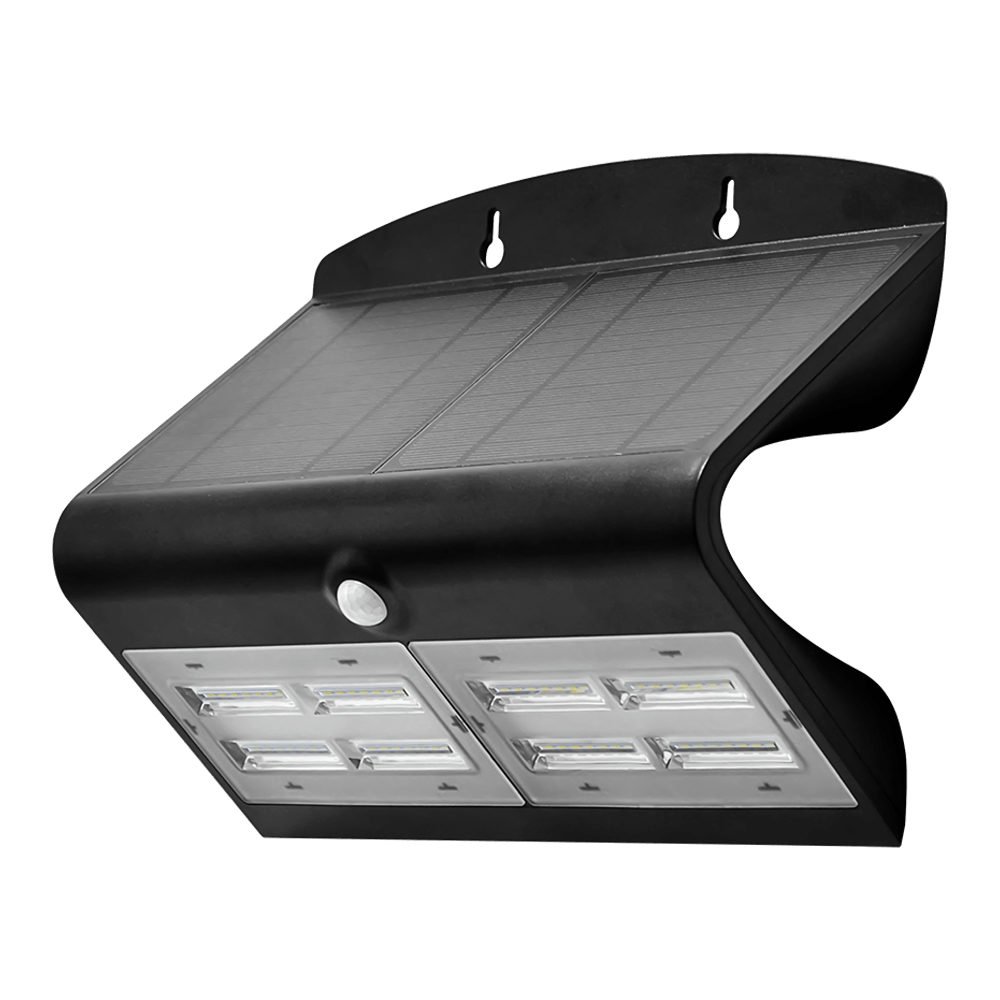
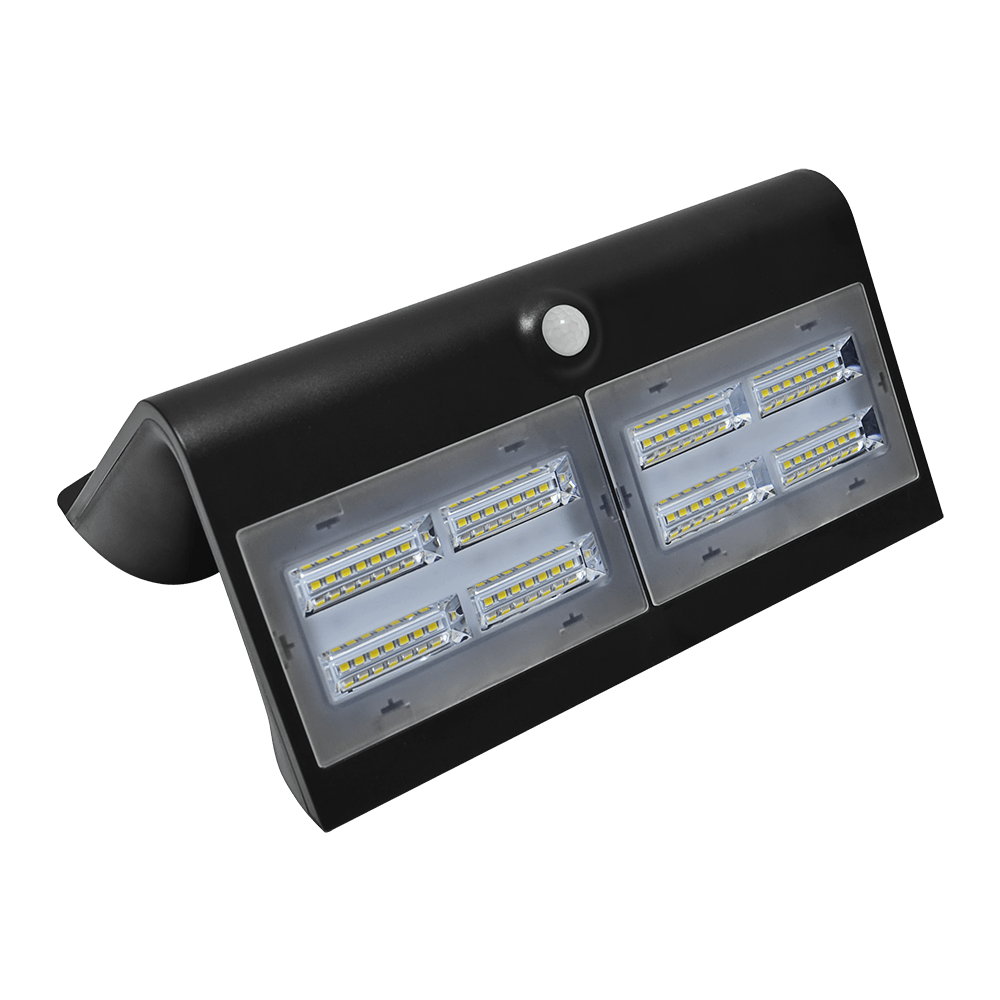
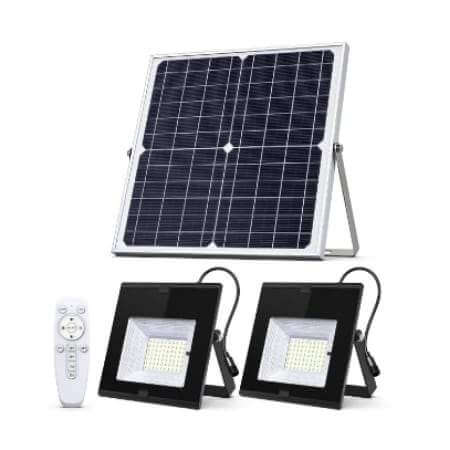
The power source is one of the most critical differentiators among light towers, directly impacting your operational costs and maintenance schedule. Although some may lean towards traditional diesel-powered towers, you may want to consider utilizing solar-powered models.
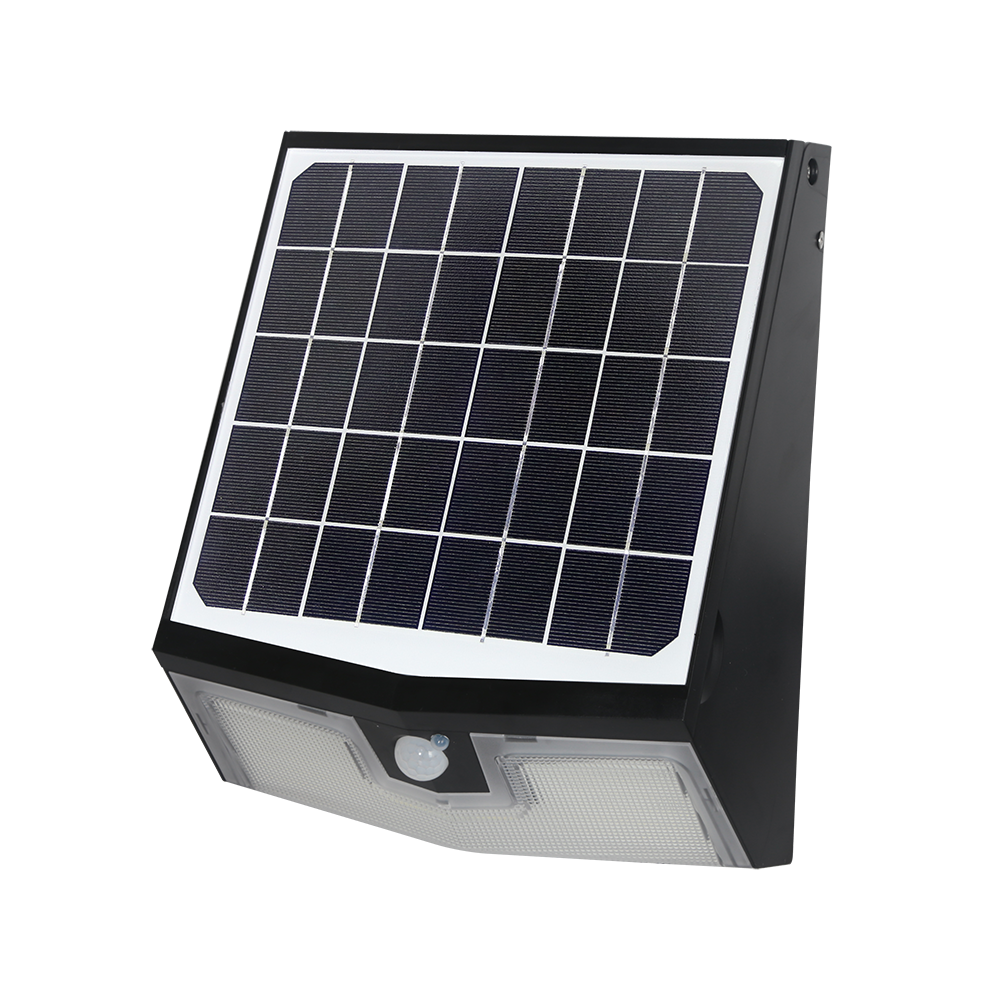
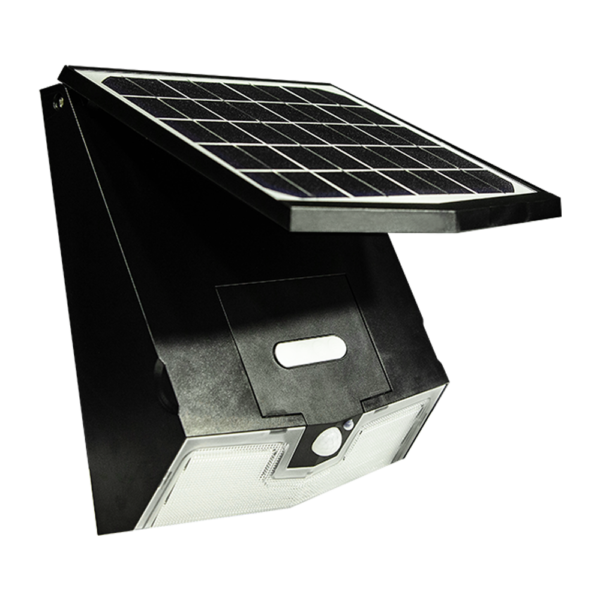
These units use photovoltaic panels to capture energy from the sun during the day, storing it in high-capacity batteries to power the lights at night. Thanks to advancements in battery technology, many solar light towers can operate reliably and autonomously for several nights, making them a dependable and sustainable choice for modern construction companies.
Portability and Ease of Transport
Construction projects are dynamic, and your equipment needs to be able to move as the site evolves. Light towers must be portable and easy to transport from one location to another, whether across the site or to a new project. Look for mobile light towers designed with transport in mind.
Some models feature forklift pockets for easy placement with on-site machinery. The unit's overall weight and balance are also important considerations for safe, easy towing. A well-designed portable light tower minimizes logistical headaches and lets you deploy lighting quickly at any job site.
Low Noise Levels

Noise can be a significant issue on construction sites, especially when working near residential areas or during night shifts. Traditional diesel-powered light towers tend to generate significant operational noise, which can disrupt crews and lead to complaints from nearby neighbors.
In contrast, solar light towers operate silently, making them ideal for projects where maintaining a quiet environment is crucial. Choosing a light tower with low noise output not only enhances staff comfort but also ensures compliance with local noise regulations. Prioritizing quieter models can lead to a safer and more focused worksite, helping your team stay productive no matter the hour.
Dependability
Another feature to look for in light towers is reliability. Your equipment should perform consistently, even under demanding or unpredictable conditions. In addition to finding a light tower with high-quality components, ensure the one you select comes from a trusted brand with positive user reviews. A reliable tower will better illuminate your job site without unexpected breakdowns, keeping downtime and frustrations to a minimum.
Minimal Maintenance Requirements
Equipment maintenance is a significant, though often overlooked, operational cost. The time and money spent on servicing equipment can add up, impacting project timelines and budgets. This is another area where the difference between diesel and solar light towers becomes clear.
Diesel-powered towers have internal combustion engines that require regular maintenance, including oil changes, filter replacements, and fuel system checks. These engines have numerous moving parts that can wear out and fail, leading to costly downtime.
In contrast, solar light towers have a much simpler design with virtually no moving parts in their power generation system. Maintenance is minimal, typically limited to cleaning the solar panels to ensure they are capturing sunlight efficiently and checking the battery connections periodically. This low-maintenance profile allows your workers to spend more time constructing your projects and less time maintaining the tower.
Cost-Effectiveness
While the initial purchase price is an important consideration, an accurate assessment of cost-effectiveness requires looking at the total cost of ownership and the return on investment (ROI). For example, diesel light towers may sometimes have a lower upfront cost, but their operational expenses are continuous and substantial. You must factor in the fluctuating price of diesel fuel, the cost of labor for refueling, and the ongoing expense of engine maintenance and repairs.
Solar light towers typically cost more upfront, but they offer a much faster and more significant ROI. With no fuel costs, minimal maintenance, and zero emissions, the day-to-day operational savings are immediate and substantial.
Furthermore, businesses investing in renewable energy technology may be eligible for federal or state tax credits, thereby enhancing the financial benefits. Over the equipment's lifespan, a solar light tower is a far more cost-effective solution that positively contributes to your company's bottom line.
Choosing the right light tower is a critical decision that impacts your project's safety, productivity, and budget. By prioritizing features like durability, brightness, and portability, you can find a solution that meets your needs.
If you want to invest in a mobile solar light tower for your construction site, contact Outdoor Solar Store today. We can provide you with products that will benefit your projects for years to come.