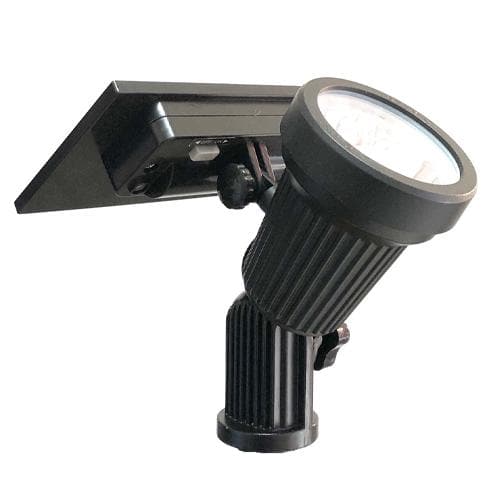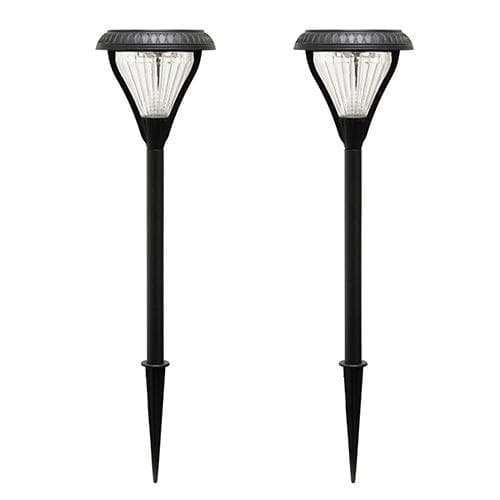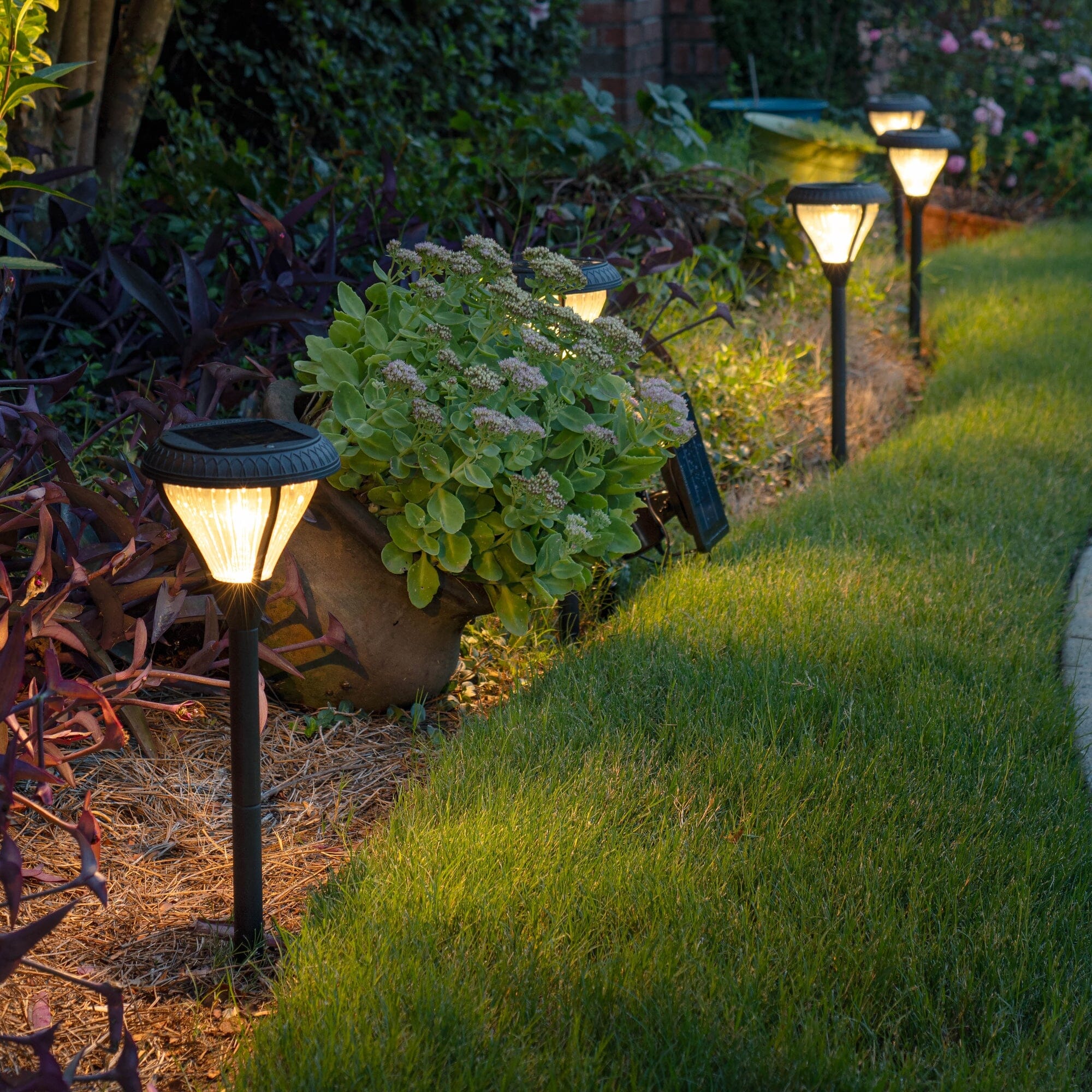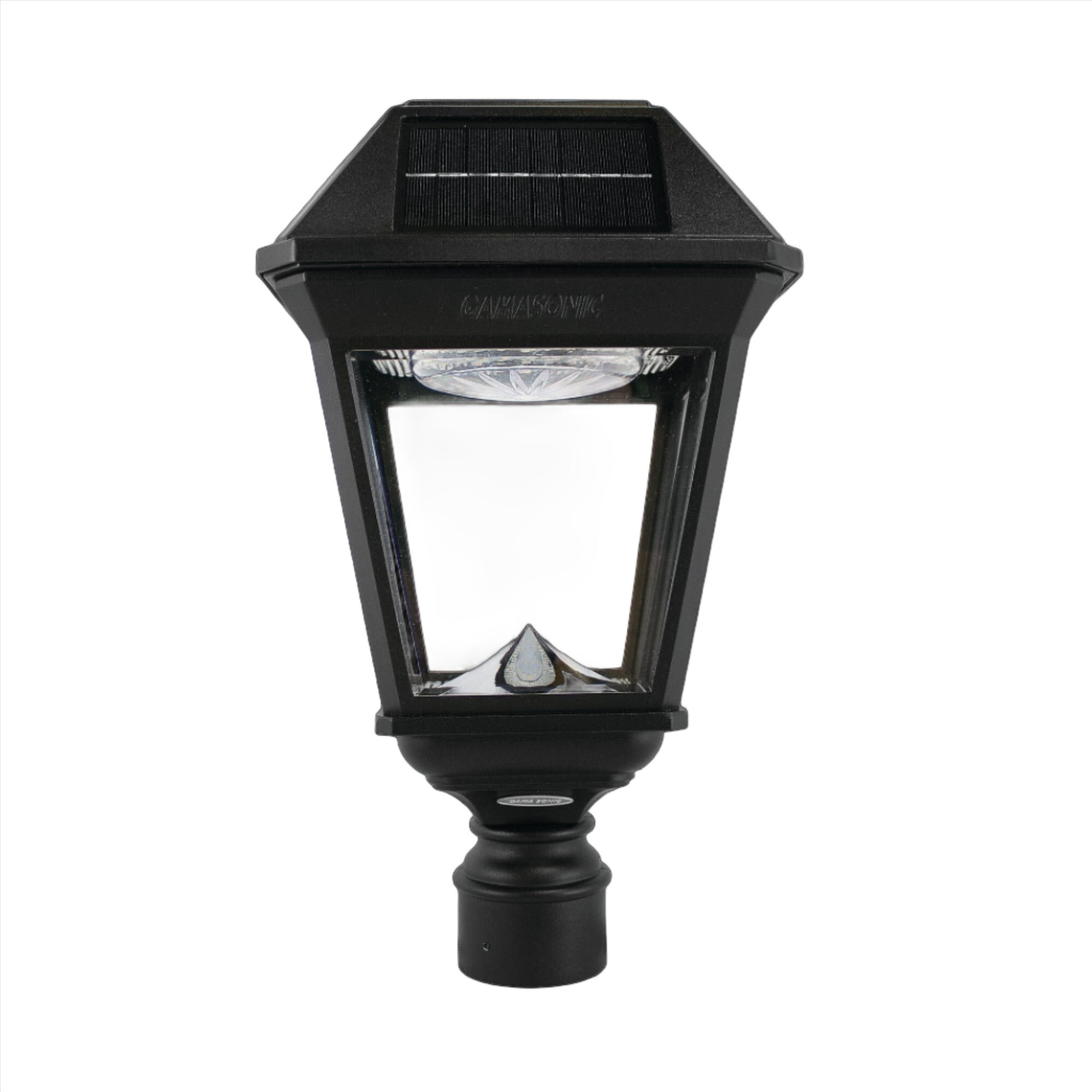
Street lights have more to do than turn themselves on after sunset. People depend on them for visibility and safer movement after dark. A well-planned lighting setup can also help drivers see entrances better and avoid road accidents.
If you’re implementing solar street lights around your home, in a commercial development, or on a city’s streets, there are steps you can take so that they remain dependable. Here are several practical tips for ensuring reliable nighttime street lighting.
Start With the Area’s Nighttime Lighting Needs
The first step you should take occurs even before you purchase your lights. Take the time to walk your location after dark and note where people need the most visibility. Performing this step in the daytime planning can cause you to miss problem areas.
Look at entrances and other spots where vehicles turn or slow down. This review helps you choose lamps that will support real nighttime use, rather than guessing from a layout alone.
Think about who uses the space and how long they need light each night, since a private driveway may have different needs than a commercial walkway. Or a busy parking area may require stronger lamps and wider spacing than a small residential lane. When you match the fixture to the activity level, the lighting plan works better after sunset.
Choose Fixtures With Enough Brightness

Brightness matters because weak lighting can leave shadows that make streets and walkways harder to use. Look for LED fixtures that provide sufficient output for the area size and pole spacing. A lamp that looks bright up close may not cover a wide road or long driveway once installers mount it higher above the ground.
Avoid choosing a fixture solely on style, since street lighting must serve a practical purpose every night. Compare aspects such as light output and coverage pattern so the beam reaches the ground where people need it. The goal should involve useful visibility across the space, not just a bright glow around the pole.
Place Poles Where Light Can Reach the Ground
A third tip for ensuring reliable nighttime street lighting is to focus on pole placement. This factor affects how evenly the area receives light, so treat spacing as part of the system rather than a final detail.
For instance, if poles sit too far apart, the light may create bright circles with dark gaps between them. However, if you install the poles too close together, the project can cost more than necessary while still leaving odd shadows near edges or obstacles.
Study vehicle and pedestrian paths before choosing each location, because the lamp should support how people move through the space. Features such as corners and entry points may need special attention because people make decisions there after dark. A thoughtful layout helps each fixture do its job without forcing one lamp to cover too much area.
Keep Solar Panels Away From Shade

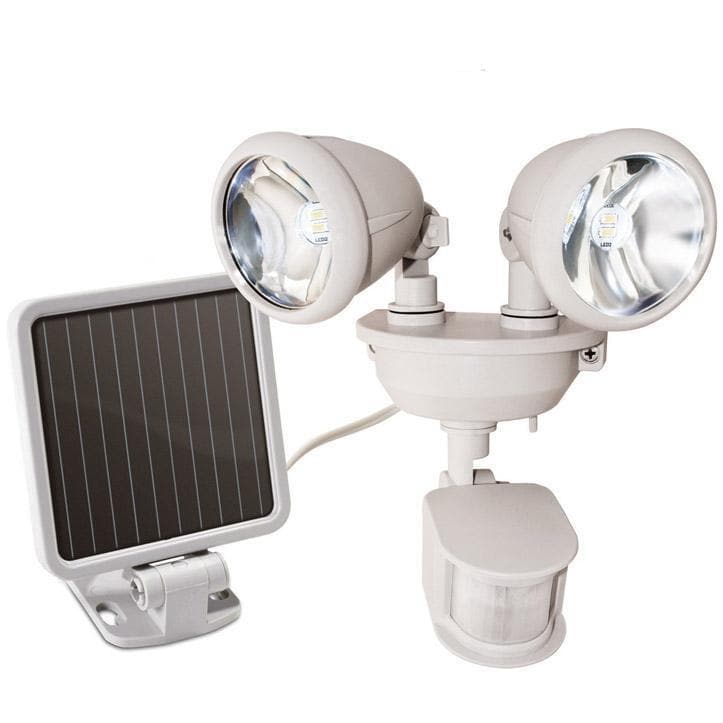
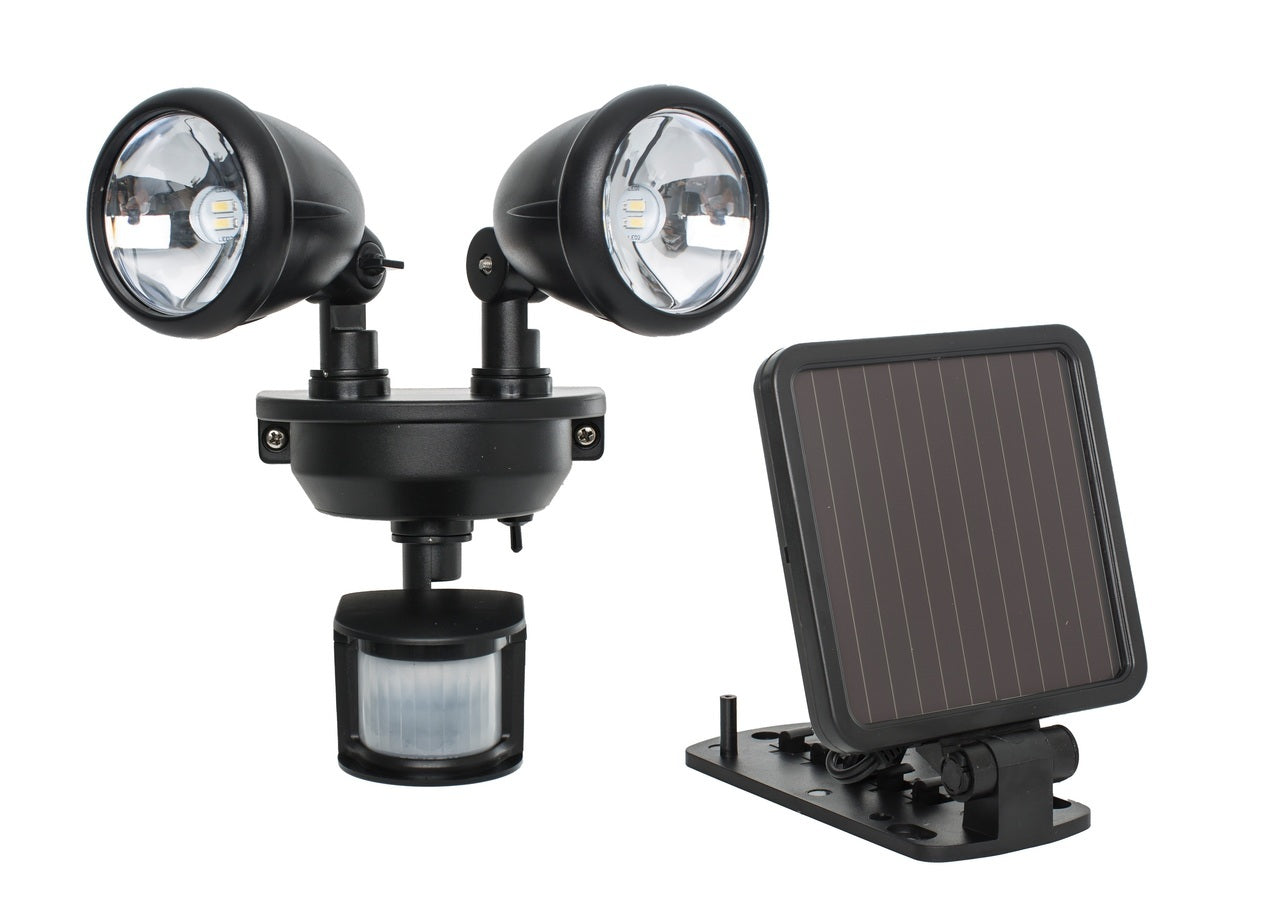
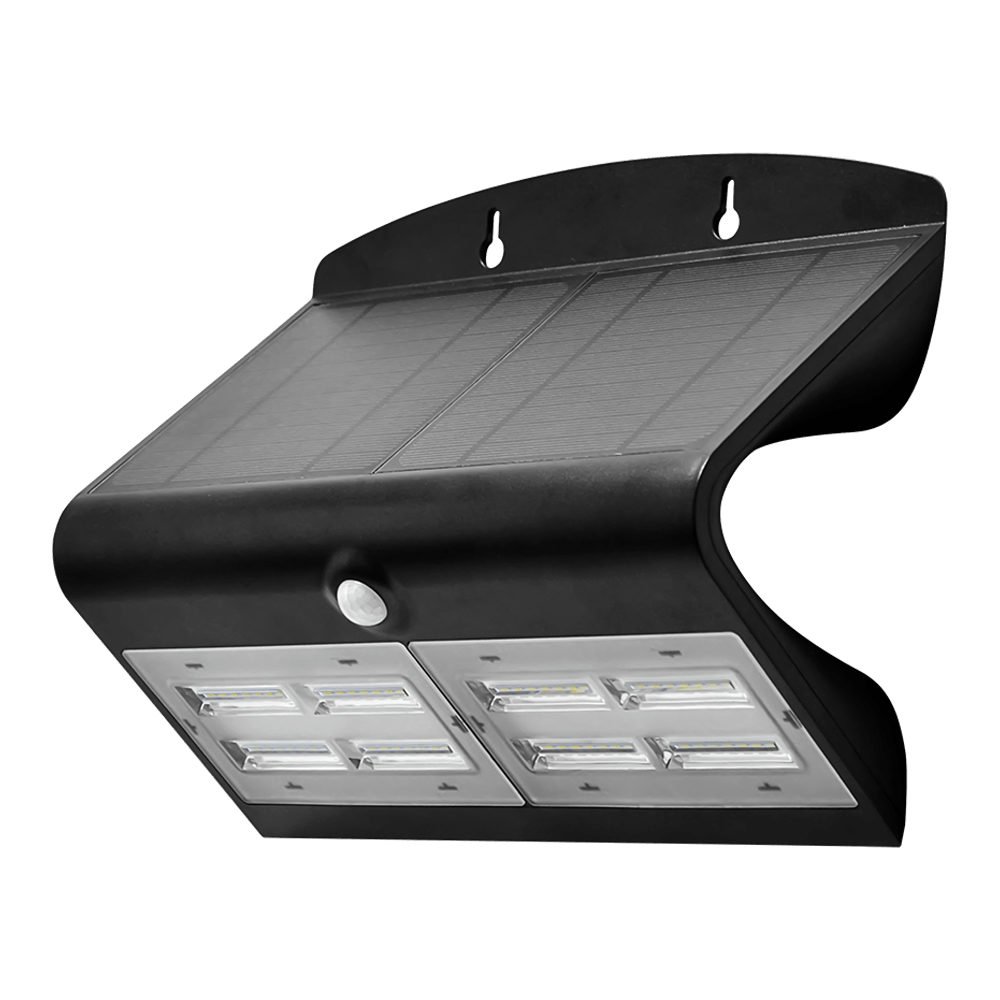
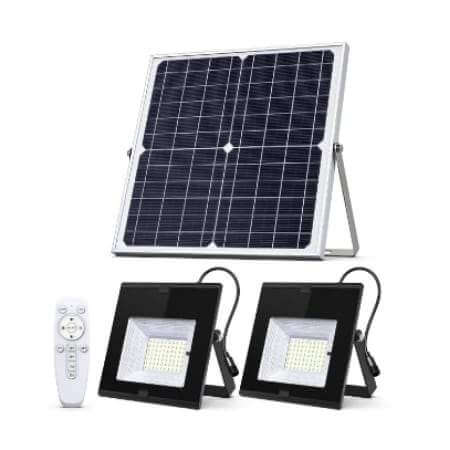
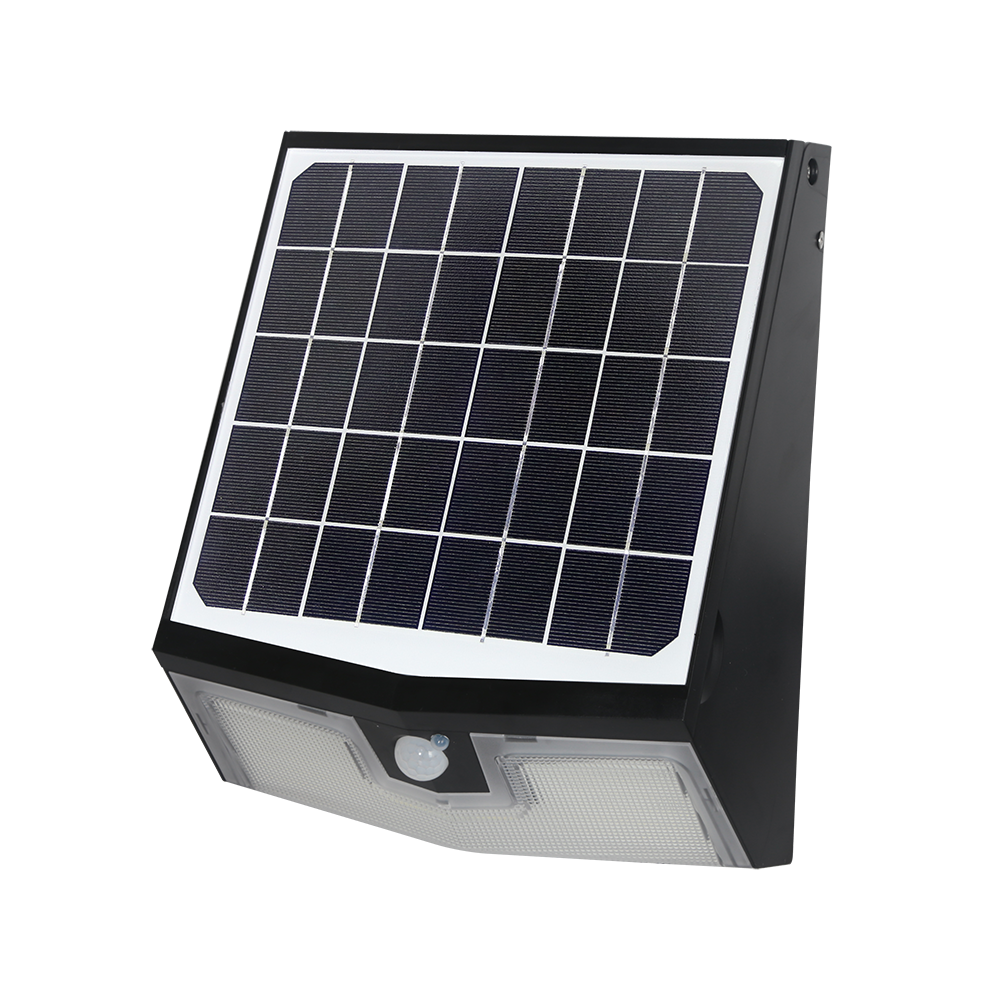
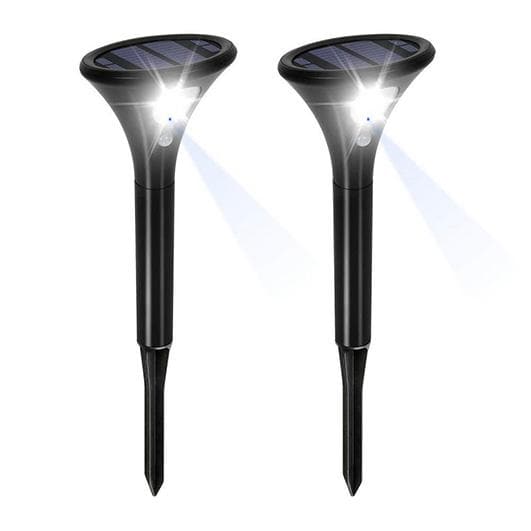
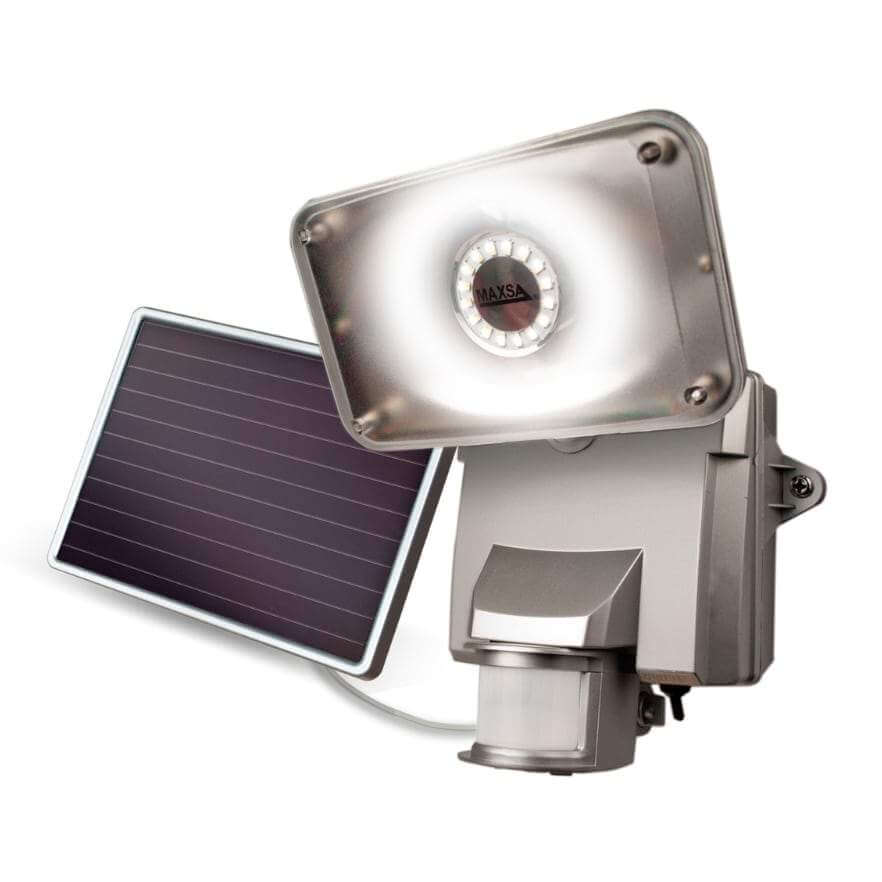
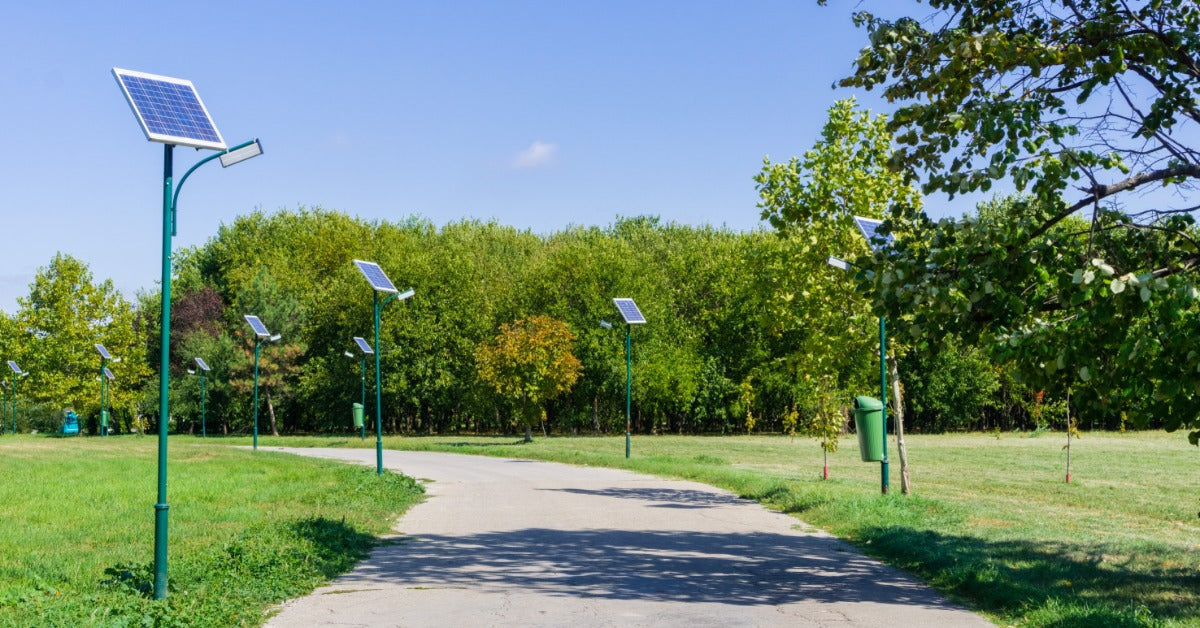
Solar-powered street lamps require direct sunlight during the day, so check shade patterns before installation. Local obstructions, such as trees and nearby buildings, can block sunlight at certain times of day. Even a lamp with a good battery can struggle at night when the panel does not receive enough direct sun.
Review the site at different times of the day when possible, as shadows shift with the sun's position. Trim nearby branches when needed and avoid placing panels where future growth will block them. A sunny panel location gives the battery a better chance to recharge for dependable nighttime use.
Match Battery Capacity to Nightly Demand
Battery capacity plays a major role in how long a solar street lamp can run after sunset. A lamp that needs to stay on all night requires a battery that can support the fixture through long evenings and cloudy periods. When the battery falls short, the light may dim early or turn off before morning.
Choose a system with enough stored power for the site’s expected schedule, not just one quiet summer night. Longer winter nights and increased motion can draw more power from the battery. Planning for those demands helps the lamp perform better when the site needs it most.
Check Mounting Height and Angle
Mounting height affects how far the light spreads and how bright the ground appears. A low fixture may create intense light near the pole but fail to reach across a wider street. A fixture mounted too high may spread light too thinly, reducing useful visibility at ground level.
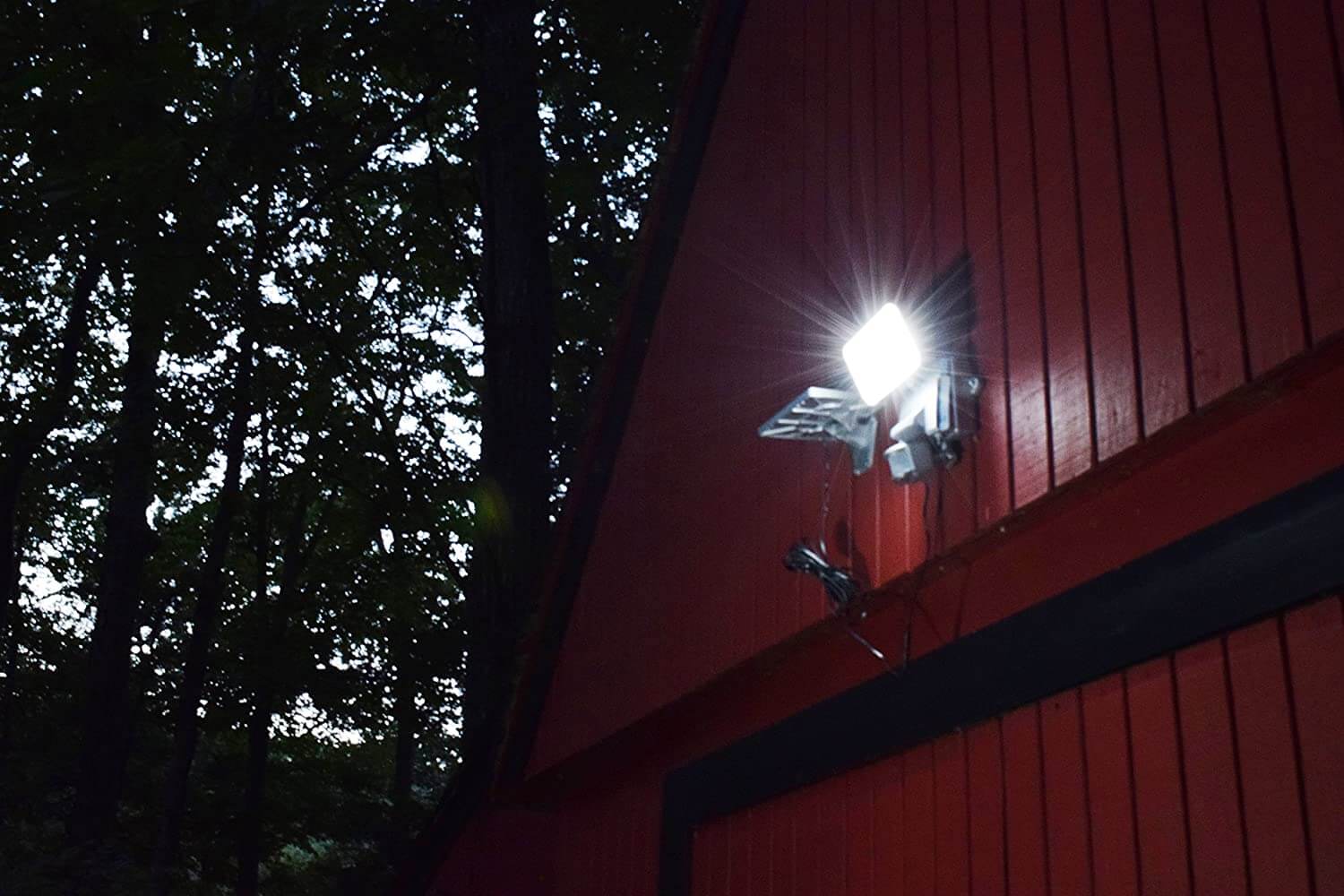
The fixture angle also matters because a tilted lamp can push light away from the area that needs it. Aim the lamp toward the travel path or walkway rather than nearby walls, lawns, or empty space. Small adjustments during installation can improve how the lighting performs once the sun goes down.
Plan for Weather and Site Conditions
Outdoor street lighting must handle daily exposure to weather. This makes it critical to choose lamps that manufacturers build for exterior use.
Take the time to look at their housing materials, fixture construction, and the way the system protects its internal parts. Durable materials help the lamp withstand demanding outdoor conditions where cheaper fixtures may wear out faster.
Site conditions can also affect the pole and panel over time, especially on properties with mixed vehicle and pedestrian traffic. Coastal air, open fields, busy roads, and dusty work areas may require more attention than a sheltered residential street. When the fixture suits the setting, the lighting system can serve the property with fewer disruptions.
Create a Simple Maintenance Routine
Even strong solar street lamps need periodic attention, because dirt and debris can block sunlight and reduce panel performance. Wipe panels when they look dusty and check for leaves or buildup after storms. A clean panel helps the battery recharge more effectively during daylight hours.
Also inspect the fixture, pole, fasteners, and surrounding growth as seasons change. Look for loose parts or anything that changes how the light reaches the ground. A basic maintenance routine can catch small issues before they affect nighttime visibility.
A reliable lighting setup can make a property feel easier to navigate and more welcoming after dark. The best results come from treating each lamp as part of a larger nighttime plan, with attention to elements such as placement and long-term care. When those details work together, street lighting can support daily use without adding extra hassle.
To upgrade your outdoor space with dependable lighting, buy solar-powered street lamps from Outdoor Solar Store. Contact us today to learn more about how our lamps can provide you with multiple benefits, including exceptional durability and a simple installation.