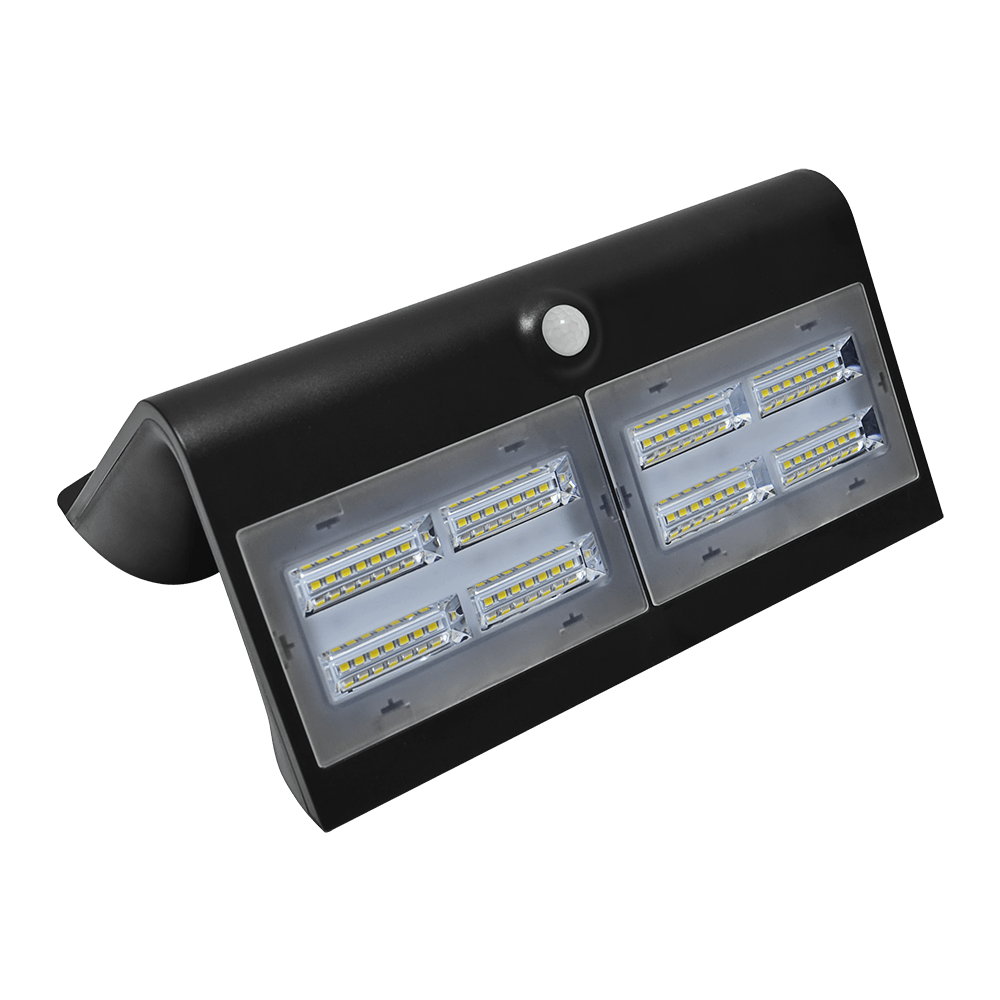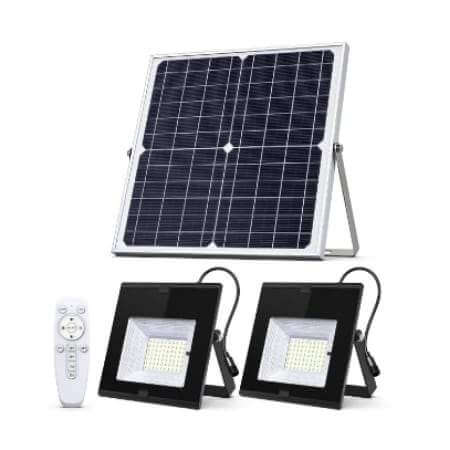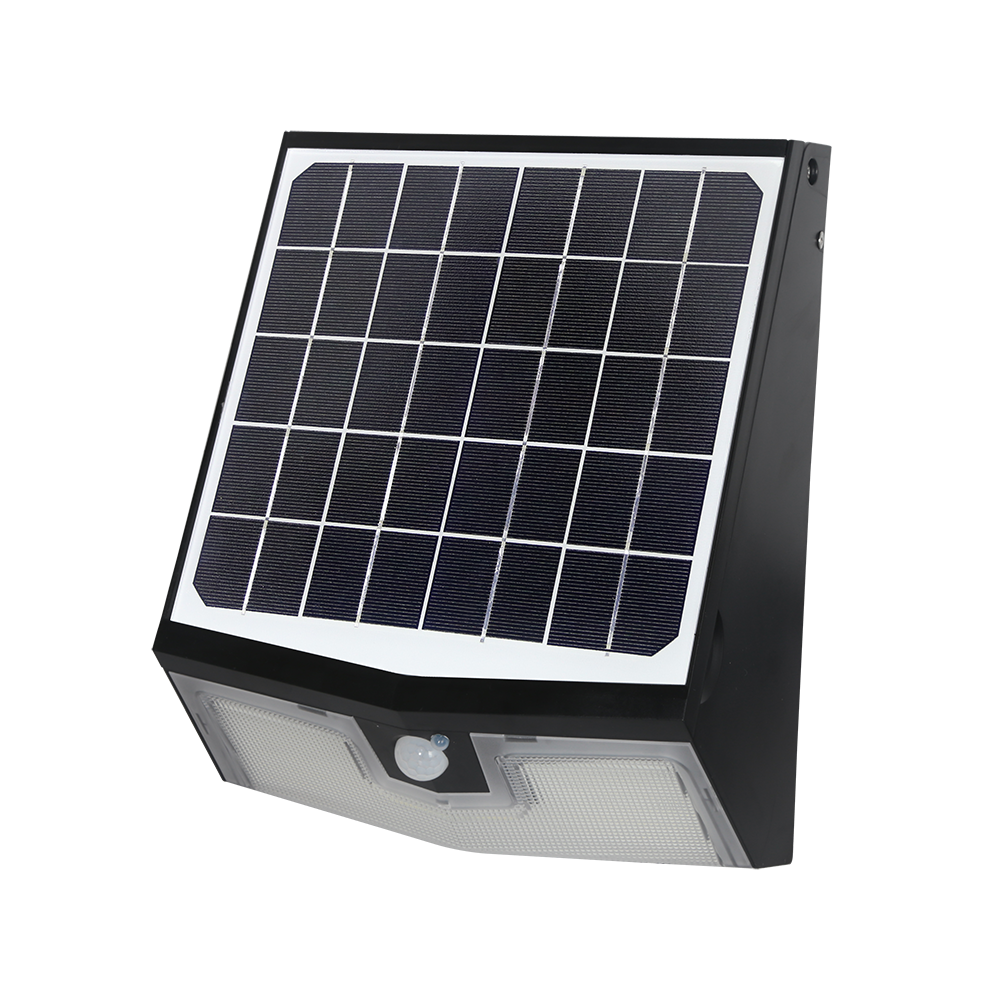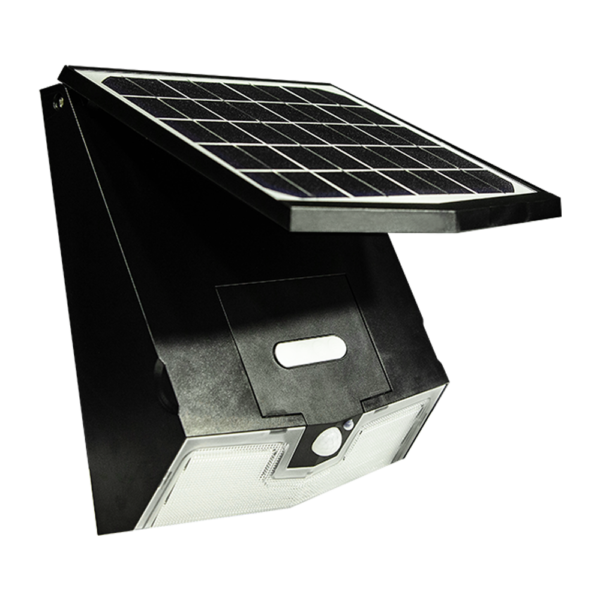
Construction teams face constant pressure to keep jobsites productive, safe, and organized while also reducing waste, fuel use, and unnecessary site disruptions. Builders who want cleaner operations need equipment that supports performance without slowing the project’s pace. Read on to find out about the role of solar towers in construction and how they can help you be more eco-friendly.
Reduced Fuel Consumption
One of the clearest benefits of solar towers in eco-friendly construction is their ability to reduce fuel consumption on the jobsite. Traditional light towers often rely on diesel to keep work areas illuminated after sunset. Solar towers break that cycle by relying on stored solar power, which helps crews light important areas without tying everyday operations to a steady stream of fuel.
That change matters because it helps conserve valuable fuel resources throughout a project. Instead of burning through diesel night after night, crews can rely on stored solar power and reserve fuel for equipment that truly needs it. For long builds and busy sites, a more careful use of resources supports a smarter, more sustainable construction process.
Fewer Emissions

Another benefit of using solar towers in eco-friendly construction is that they reduce operational emissions during nighttime work. Instead of running an engine to produce light, they use stored solar energy, which helps cut one more avoidable source of carbon emissions from the site.
That benefit becomes more meaningful as a project grows in scale or length. A short job can still gain from reduced emissions, but a long-term build can see the effect more clearly because the lighting system operates over many weeks or months. Builders who want sustainability to shape daily field practices can use solar towers as a visible and functional part of that effort.
Quieter Work Conditions
A solar-powered light tower can also benefit contractors focused on reducing noise pollution, especially when they work in developed areas where jobsites are close to homes, offices, schools, or public facilities. Generator-backed lighting can add a constant mechanical hum that makes the site feel more disruptive than necessary. Solar towers help reduce that disruption by providing illumination without the same level of background noise, which creates a calmer working environment once daylight fades.
That quieter performance benefits crews as well as neighboring properties. Workers can communicate more clearly, site supervisors can manage tasks with less interference, and nearby residents or businesses may make fewer complaints about after-hours activity. In projects where public perception matters, quieter equipment can help a contractor maintain a more responsible and community-minded presence.
Improved Energy Efficiency

Contractors can also use solar towers to reduce their reliance on the electrical grid. Instead of drawing power from a wired source throughout the project, they collect sunlight during the day and store that free energy for later use after dark.
Lower dependence on the grid also allows them to reduce their overall energy costs during a project. When contractors use solar lighting, they can reduce the amount of electricity the site needs to purchase. That makes solar towers a practical choice for builders who want to control operating expenses while supporting eco-friendly construction goals.
Less Maintenance and Operational Waste
Builders can also avoid many of the maintenance demands associated with fuel-powered systems by using solar towers. Traditional towers often require refueling, engine checks, and ongoing attention to keep them ready for evening use, which adds work for the crew and creates extra material handling on the site. Solar units simplify that process, helping job sites stay cleaner and easier to manage during busy project phases.
Less maintenance can also mean less waste over time. When crews handle fewer fluids, fewer service items, and fewer recurring engine-related tasks, they reduce the clutter and byproducts that can build up around temporary equipment. That supports a more organized site and allows labor to stay focused on construction progress rather than on repeated support work for the lighting system.
Flexible Placement
Construction layouts change constantly as projects move from one phase to the next. Areas that need light during grading may not be the same areas that need light during framing, utility work, paving, or finishing. Solar towers make that transition easier because they do not depend on a fixed connection to the electrical grid and do not require the same kind of support structure that many conventional systems need.
That flexibility helps contractors respond quickly to shifting work zones. Teams can place lighting where activity is happening now, rather than building the schedule around power access or fuel logistics. On remote sites, large properties, and evolving commercial builds, the freedom from the grid makes solar towers especially useful for maintaining operational efficiency and adaptability.
An Enhanced Company Reputation
The use of solar towers can also enhance a contractor’s reputation by showing clients, developers, and community members that the company takes modern construction standards seriously. Choosing cleaner, quieter lighting demonstrates that the contractor is thinking beyond the most basic jobsite needs and paying attention to how the project affects its surroundings. That kind of decision helps present the company as professional, forward-looking, and responsive to the growing demand for more responsible building practices.
A stronger reputation can create value long after a single project ends. Clients may feel more confident working with a contractor whose equipment choices reflect care, efficiency, and environmental awareness, especially on projects with visible sustainability goals. Although solar towers support both jobsite performance and public perception, they help contractors build trust that can strengthen future opportunities.
Strong Support for Jobsite Safety
Finally, a construction site cannot claim to be well managed if lighting leaves workers guessing where hazards begin and safe pathways end. Solar towers support eco-friendly construction by improving visibility in areas where crews walk, operate machinery, move materials, or secure the site after hours. Good lighting helps reduce confusion, improve awareness, and support safer decision-making when builders have limited access to natural light.
That benefit matters because sustainability and safety should work together, not compete. Builders need solutions that improve jobsite conditions in practical ways, and better nighttime visibility does exactly that. When solar lighting helps crews see more clearly while also reducing fuel use and emissions, it proves that eco-friendly choices can strengthen everyday performance.
These examples show how solar towers can provide builders with dependable lighting while making their operations cleaner and more sustainable. Together, they can better meet the demands of modern construction.
If you want to bring these benefits to a future project, contact Outdoor Solar Store today. Our high-quality solar towers will help you achieve your sustainability goals while providing you with the light your teams need to stay safe and efficient.