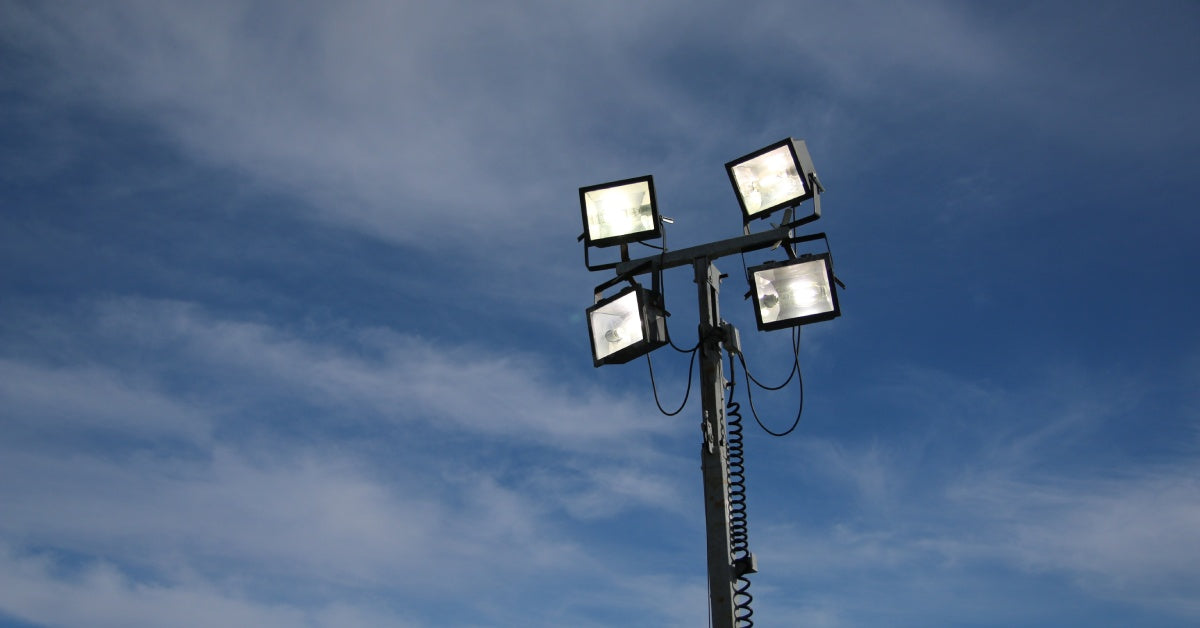
The right lighting makes a big difference in a space’s utility, whether you're managing a busy construction zone or keeping an outdoor event safe after dark. Fortunately, workers and event planners can use mobile lighting towers to bring visibility to wide, challenging spaces, helping everyone work or celebrate with confidence.
However, it is important to know how to properly implement these sources of illumination, or you may have accidents at your location. Read on to learn how to set up a mobile lighting tower safely.
Conduct a Pre-Deployment Inspection
Before you even think about moving the tower to its designated spot, a thorough pre-deployment inspection is crucial. Start by examining the entire unit for any visible signs of damage that may have occurred during transport or previous use. This initial check helps you catch potential problems before they become serious safety hazards on-site.
Find a Level Location

Your next step in setting up a mobile lighting tower safely is picking the right location. The ground must be firm, level, and stable enough to support the full weight of the tower, especially when you extend the mast.
Avoid setting up on soft soil, loose gravel, or uneven surfaces that could cause the tower to shift or become unstable. A slight incline might not seem like a problem, but it can become a critical tipping hazard once you have raised the mast to its full height.
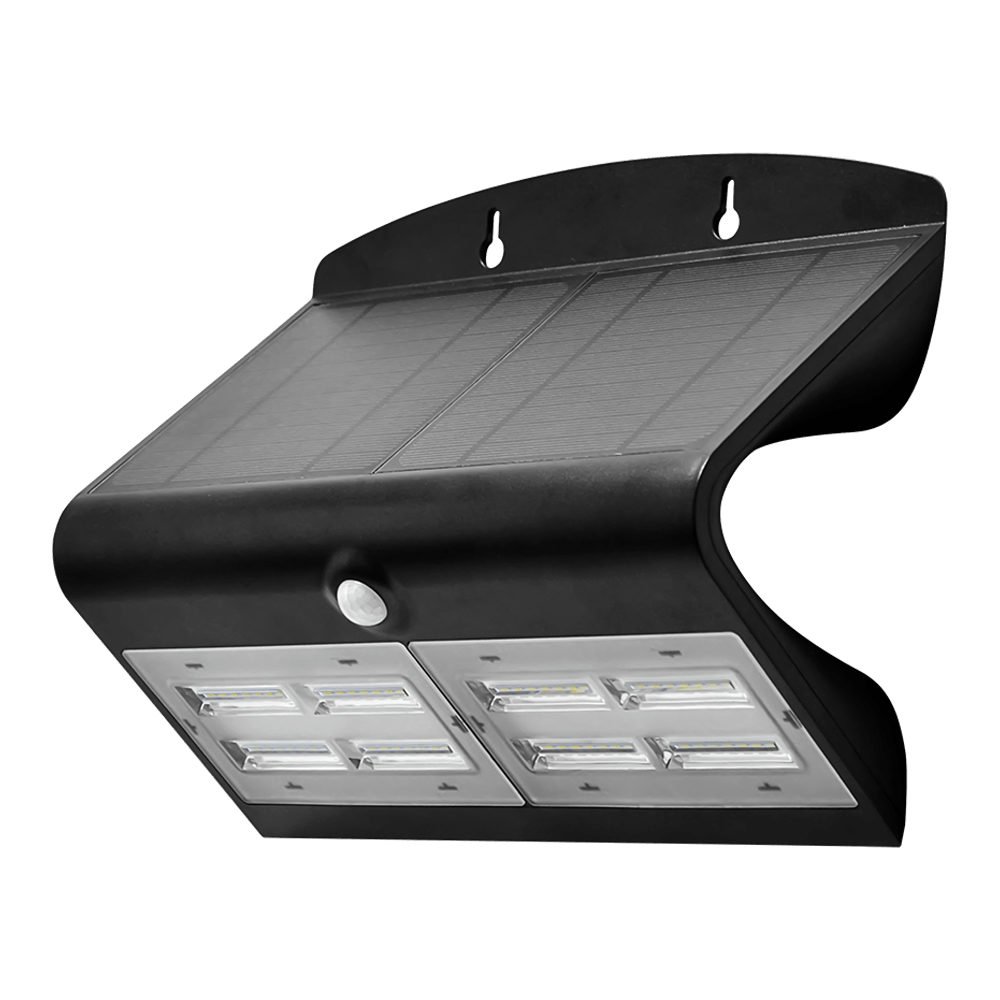
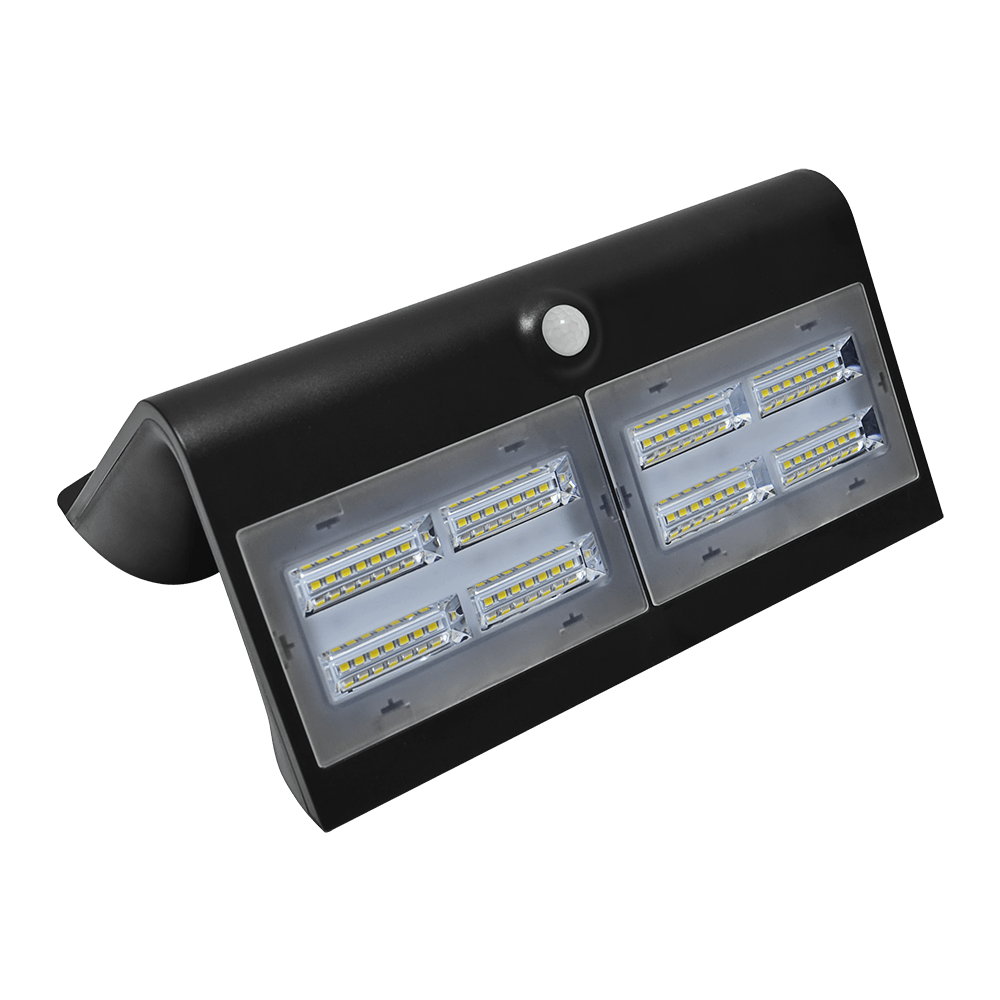
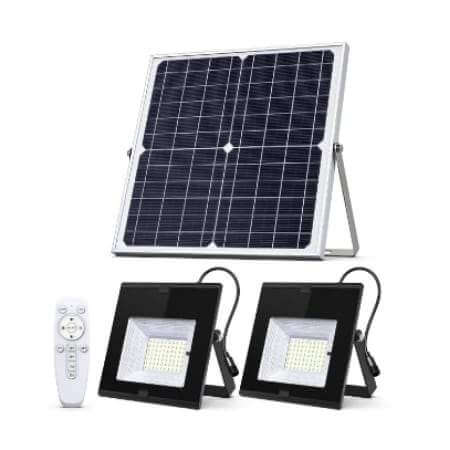
When using a solar light tower, make sure you put it in a place where it has ample access to sunlight during charging times. That will ensure that it will collect enough power to give your workers or event attendees the illumination they need once night falls.
Additionally, consider the surrounding environment. Never position a mobile lighting tower directly under or near overhead power lines. The standard recommendation is to maintain a minimum clearance of at least 10 to 20 feet, but you should always confirm local regulations and utility company guidelines.
Also, be mindful of site traffic. Place the tower so it does not obstruct vehicle, personnel, or attendee movement. Instead, it should provide optimal light coverage for the work or event area.
Ensure the Legs Are Stable
Stabilizing the legs of your mobile lighting tower is a must for safe, smooth operation. Once you’ve positioned the unit, extend each leg or outrigger until it makes firm contact with the ground.
Take a moment to check that all feet are sitting on solid, level surfaces—avoid placing them on soft dirt, gravel, or any surface that could shift when you apply weight to it. Adjust each stabilizer as needed so that the tower frame sits evenly from side to side and front to back.
Once everything is set, give the tower a gentle nudge to confirm that it does not wobble. This simple step can make a big difference in preventing accidental tipping or shifting, especially when the mast is fully extended or during periods of high winds. Properly secured legs are your first line of defense against unexpected hazards, keeping everyone on-site confident and focused on the job or your event.
Aim the Light Fixtures
Before raising your tower’s mast, you must aim your lights to ensure they shine in the proper direction. Angle the fixtures to eliminate dark patches in your work or event area, focusing on overlapping the fields of light for even coverage.
Depending on your needs, you may want to angle some fixtures while setting others to highlight busy task zones. Making these adjustments now will allow you to keep work moving without interruption or potentially bothering attendees at a concert.
Raise the Mast Safely

Raising the mast is the most critical part of the setup process and requires your full attention. First, ensure the area around and above the tower is completely clear of personnel, vehicles, and obstructions, paying special attention again to overhead power lines. Afterward, begin raising the mast slowly and steadily, keeping a close eye on the tower's stability and listening carefully for any unusual sounds.
Do not extend the mast fully in high winds; most manufacturers specify a maximum wind speed for safe operation. Once the mast reaches the desired height, securely engage all safety mechanisms to prevent it from accidentally lowering.
Final Safety Checks Before Operation
Before you call the job done, walk around the lighting tower for one last careful inspection. Double-check that all supports and stabilizers are firm on the ground and properly locked in position. Confirm the tower frame is level and that all light fixtures are securely tightened in their directed angles. Give each leg a quick look to ensure you didn’t miss anything during initial setup.
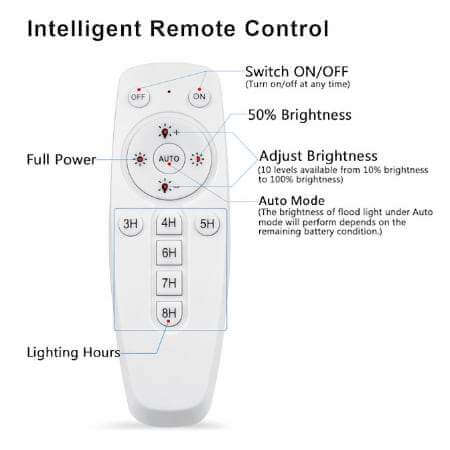
When you’re happy with your setup, briefly test the light controls to verify each fixture turns on and off as needed. With these checks completed, you’re well on your way to a safe and reliable lighting setup that lets you focus on the task at hand.
Ongoing Monitoring During Use
Although you may have thought you had finished once work or the event started, you’re not quite done yet. It is essential that you keep a close eye on the tower throughout your shift. Assign someone to periodically check that the mast stays steady and that all fixtures remain secure, especially if the weather shifts or the area gets busier. If you spot anything loose or out of place, handle it right away to avoid bigger issues later on.
Be mindful of any changes in the tower’s stability and make sure no one tampers with the supports. At the end of your work session, switch off the lights and walk around the site to ensure everything is secure before packing up. Keeping up with monitoring helps prevent surprises and keeps your workspace safe and productive from start to finish.
Following these steps methodically will help ensure your mobile lighting tower is a valuable asset rather than a liability. From the initial inspection to ongoing monitoring, each stage is critical for operational safety and performance.
If you’re interested in purchasing robust and dependable lighting solutions that will allow you to save money on energy costs, contact Outdoor Solar Store today. We offer powerful, easy-to-deploy solar light towers that can help you bring light to your worksite or next concert, so people can see clearly even after sunset.