Solar lamp posts usually provide reliable lighting to homeowners while allowing them to avoid trenching wires or hiring electricians. However, certain conditions can influence how well these devices collect sunlight and store power during the day. This blog explores the various factors that affect solar lamp post charging efficiency.
Solar Panel Angle and Orientation
Two factors that can affect your solar post light’s charging ability are the panel's angle and orientation. Solar panels capture the most light when they face the sun directly rather than at a steep or sideways angle. Improper orientation reduces the amount of light that the panel converts into stored power.
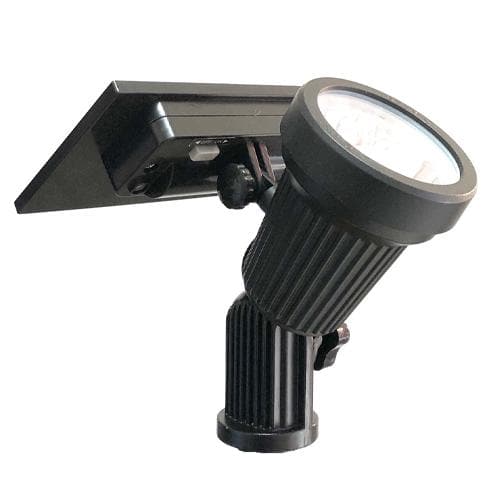
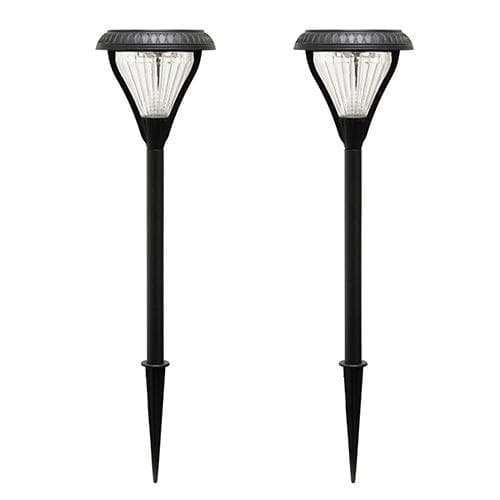
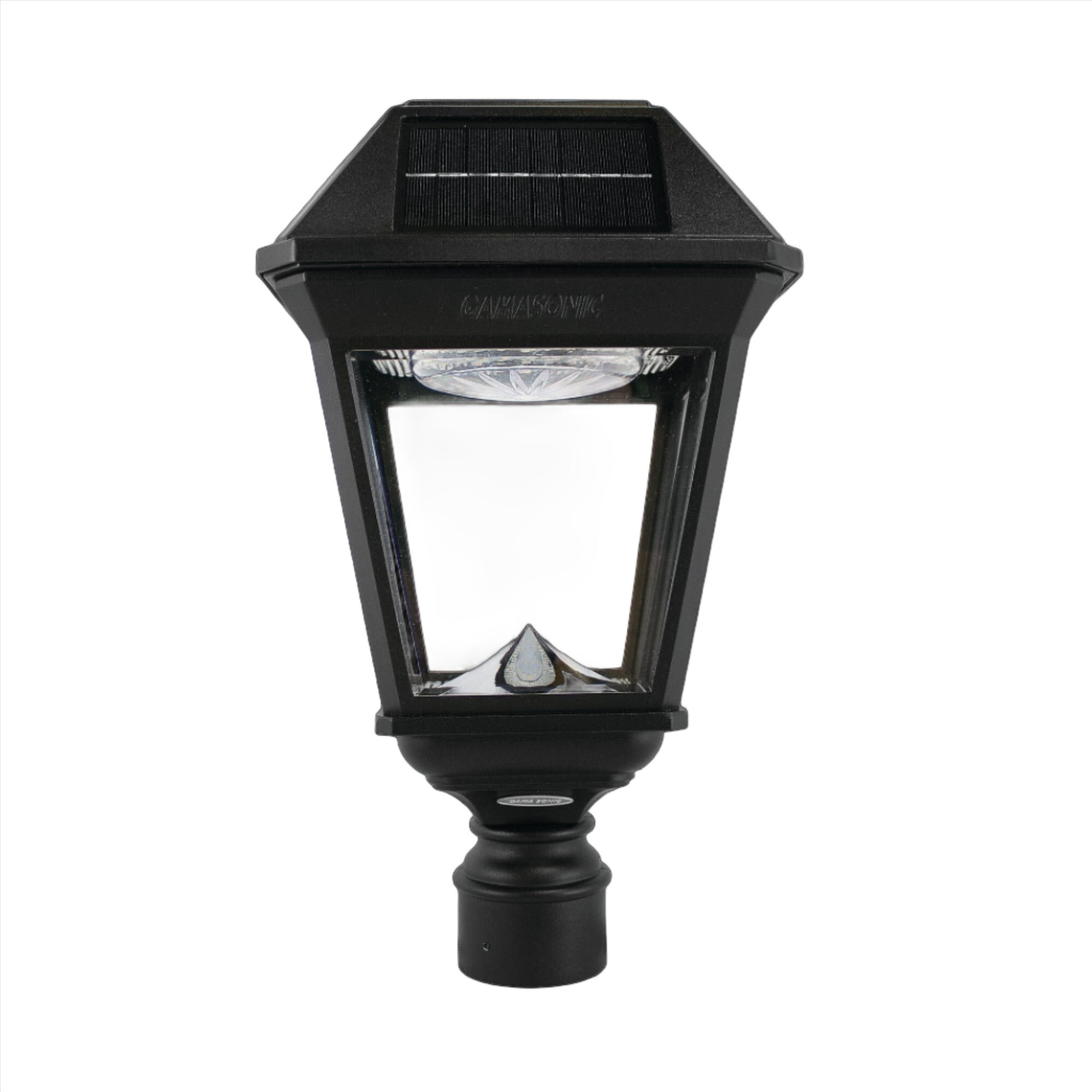
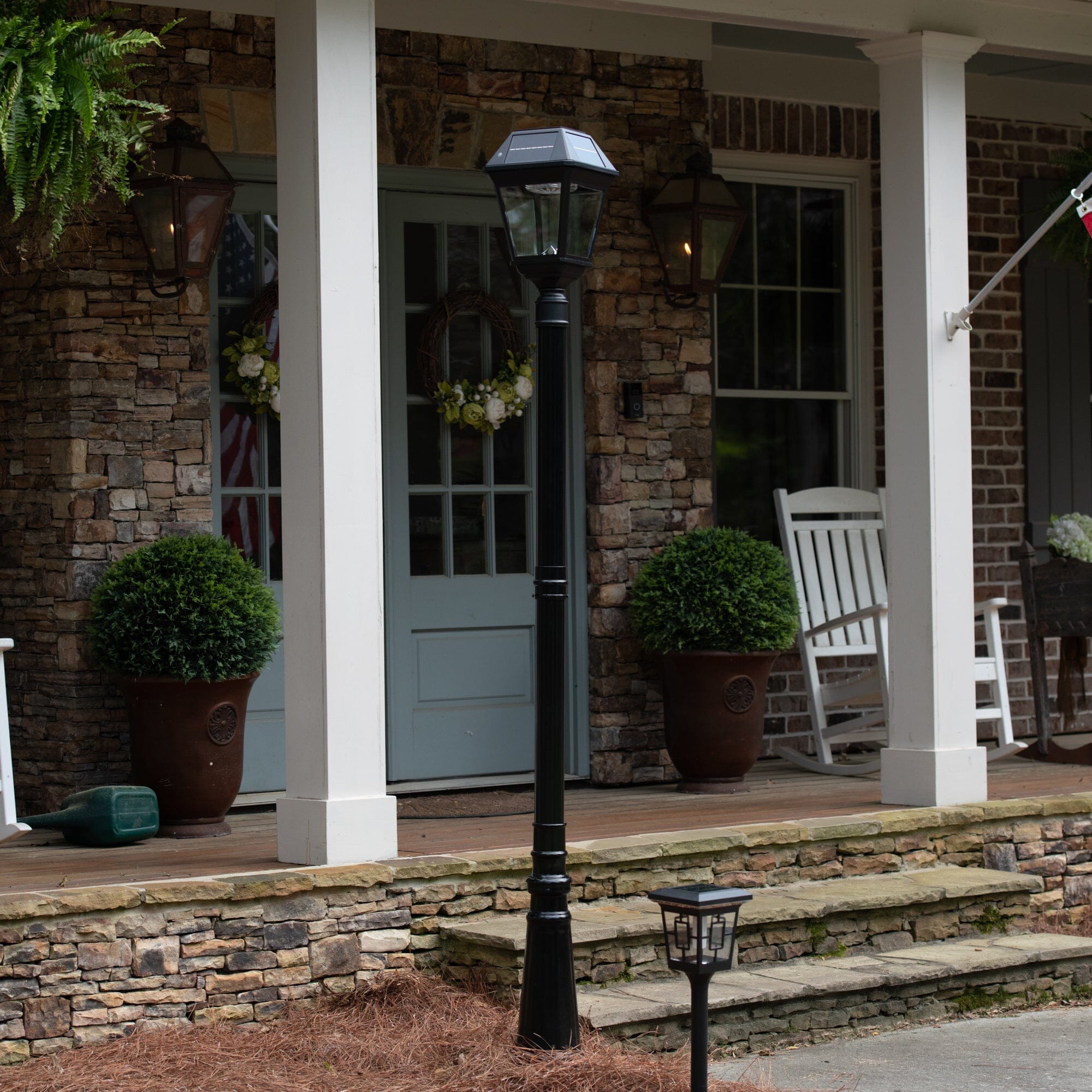
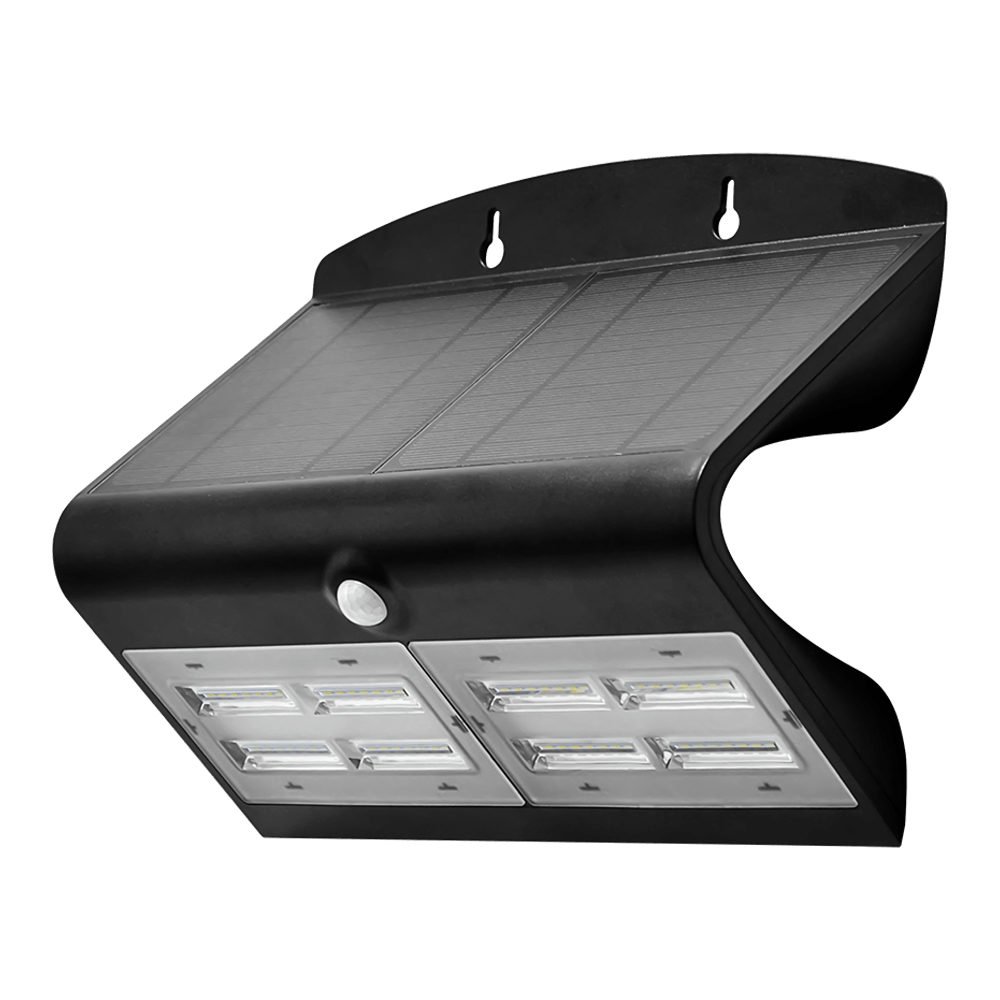
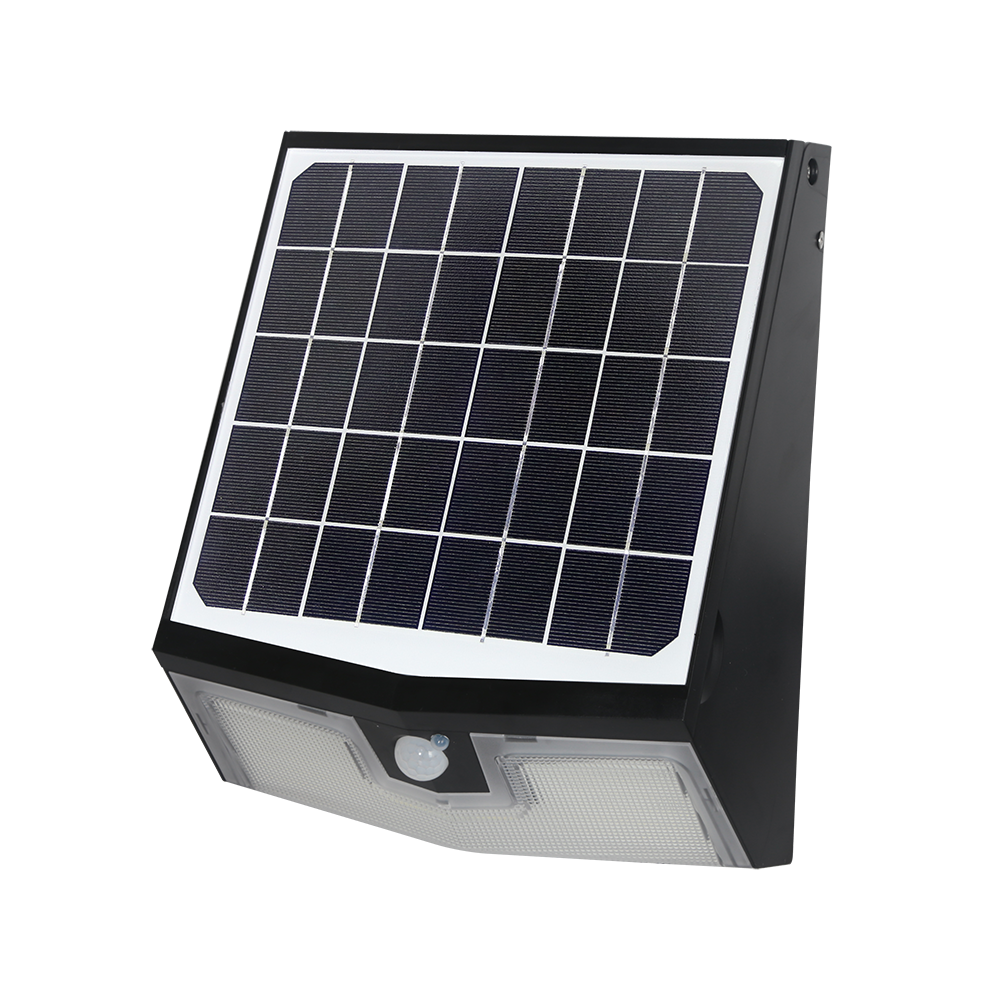
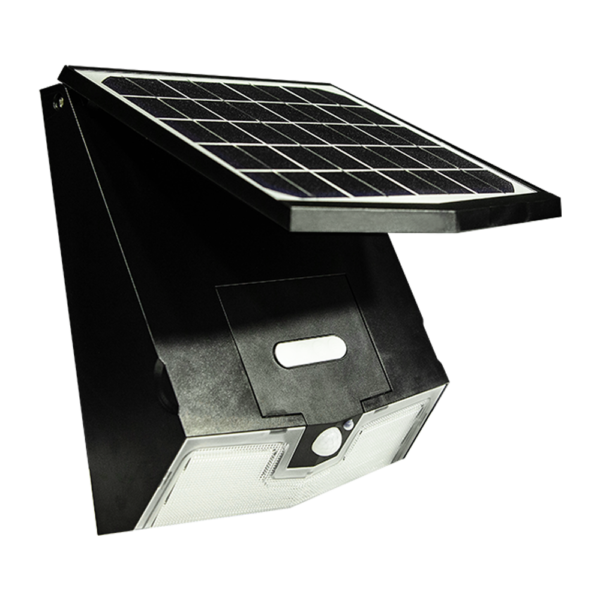
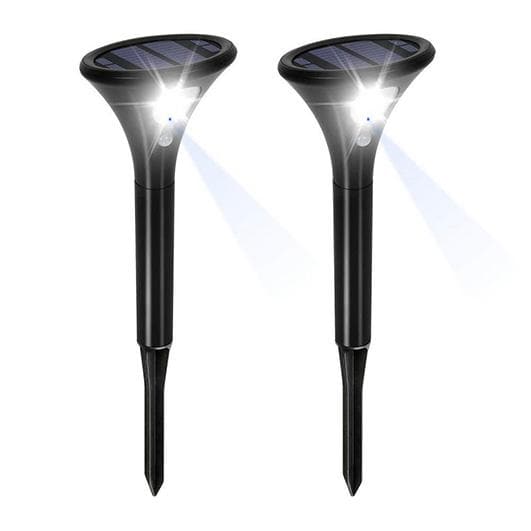
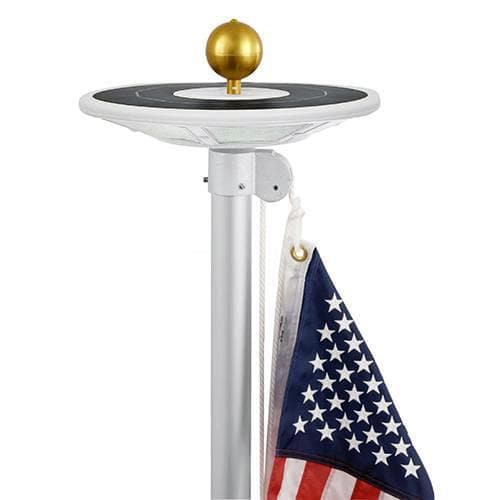
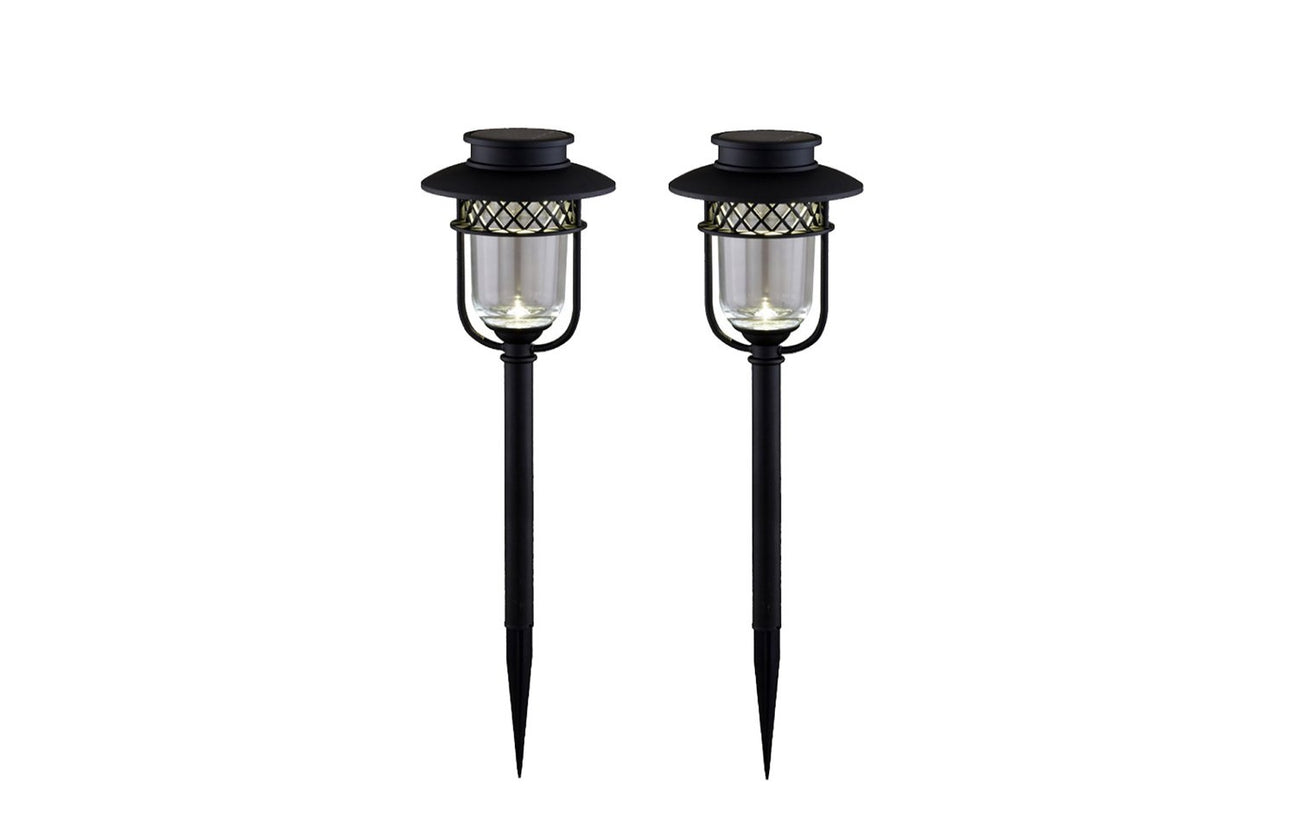
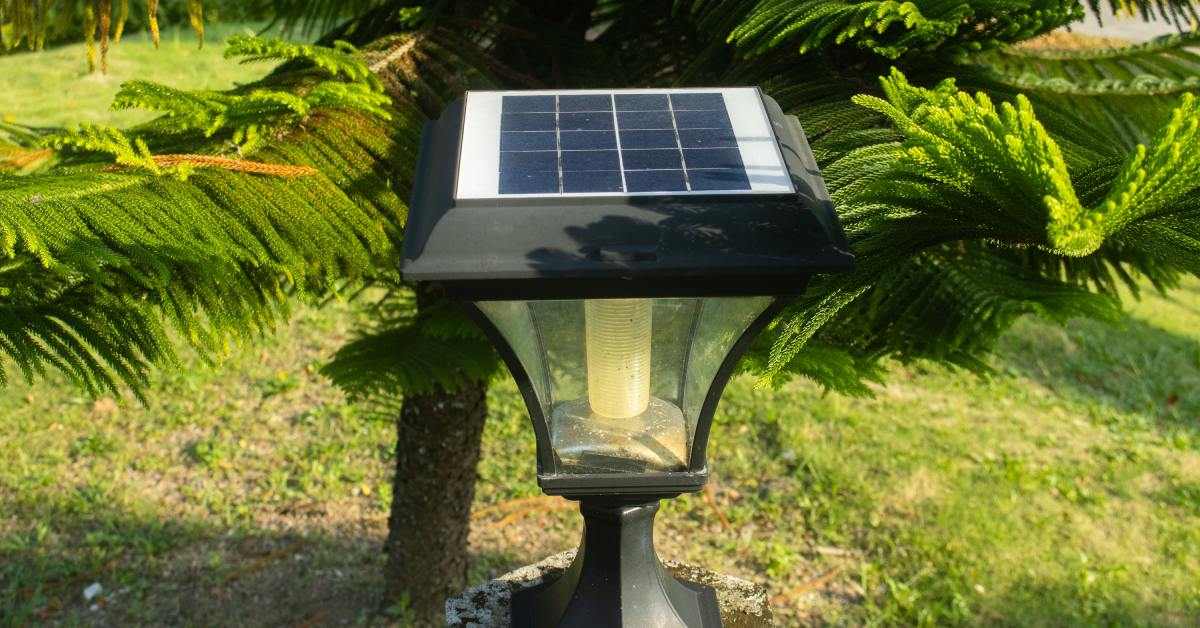
Many solar lamp posts include panels mounted atop the fixture. This design allows the panel to receive sunlight from above throughout the day.
You should install the lamp post in a location where the panel faces open sky and receives maximum sun exposure. A slight tilt toward the south often improves charging performance in the United States. Correct panel positioning allows the solar cells to collect the strongest possible sunlight during daylight hours.
Seasonal Changes in Daylight Hours

Seasonal daylight patterns can also influence how effectively solar lamp posts charge. Summer days provide long periods of sunlight, allowing solar panels to gather energy for many hours. However, when winter arrives, days shorten dramatically.
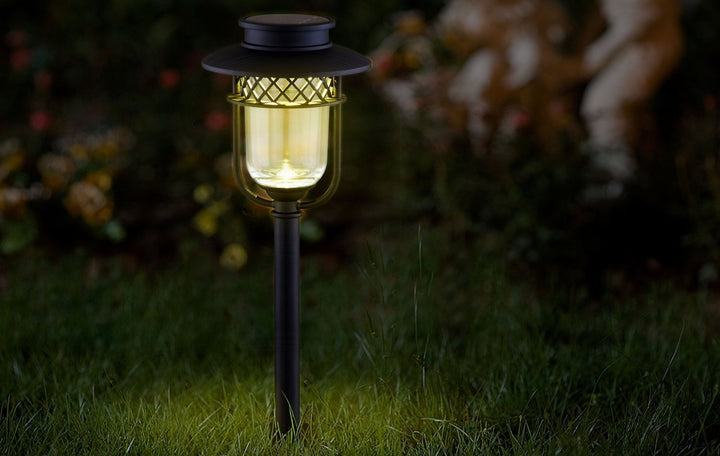
This seasonal difference can affect how long the lamp remains illuminated at night. A fully charged battery during the summer may power the light for the entire night with no interruption. Shorter winter days sometimes result in smaller charges, which may reduce nighttime illumination.
Homeowners should consider seasonal sunlight when planning solar lighting placement. A location that receives strong sunlight during the winter months will usually perform well year-round. Careful positioning ensures the lamp post continues to operate reliably even when daylight hours decrease.
Shading From Trees and Structures
Shade presents one of the most common reasons solar lamp posts fail to charge properly. Tree branches, tall shrubs, and nearby buildings can block sunlight from reaching the solar panel. Even partial shading during the day can reduce the total charge stored in the battery.
Trees create a particularly tricky challenge because shadows shift constantly as branches sway in the wind. Leaves also grow thicker during the spring and summer, which can block more sunlight than homeowners expect. A lamp post that works well in early spring may struggle once foliage grows dense.
You should evaluate nearby trees before installing a solar lamp post. Trimming branches or relocating the fixture can dramatically improve charging performance. An open area with unobstructed sunlight allows the solar panel to collect energy without interruption.
Solar Panel Cleanliness
Another factor that affects solar lamp post charging efficiency is the cleanliness of the panel itself. Over time, dust, pollen, bird droppings, and debris can accumulate on the surface. This buildup forms a thin layer that blocks sunlight from reaching the photovoltaic cells. Even a small amount of grime can reduce the panel’s ability to collect light.
Outdoor lighting fixtures often face exposure to rain, wind, and airborne particles. Areas near roads or construction sites may experience a faster accumulation of dirt. Leaves and twigs can also land on the panel surface, creating temporary shade.
Regularly cleaning your lights helps maintain strong charging performance. A simple wipe with a damp cloth removes most debris from the panel surface. Homeowners who check their fixtures periodically often see more consistent lighting performance because the panel continues to receive clear sunlight.
Battery Condition and Temperature

The battery inside a solar lamp post stores the energy collected during the day. This means the health of a battery can play a major role in determining how long the lamp can operate after sunset. A strong battery holds more charge and releases power steadily throughout the night.
Temperature also influences battery performance. Extremely cold weather can reduce the amount of charge a battery can hold, while excessive heat can shorten the battery's lifespan. Seasonal temperature swings, therefore, affect the duration of nighttime lighting.
Homeowners should replace aging batteries when performance begins to decline. Most solar lamp posts allow simple battery replacement without specialized tools. Maintaining a healthy battery ensures the stored solar power provides reliable illumination every evening.
Solar Panel Size and Power Capacity
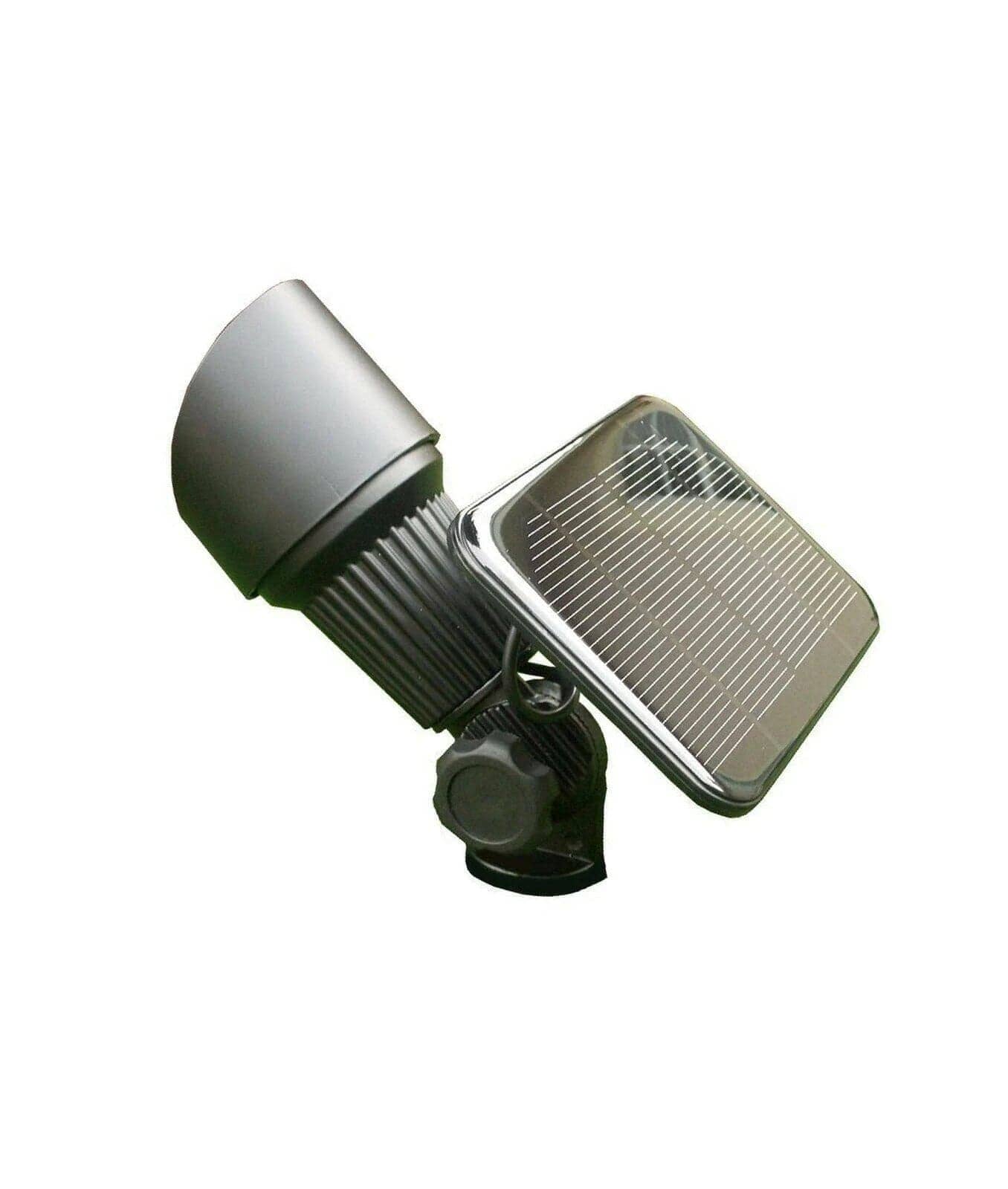
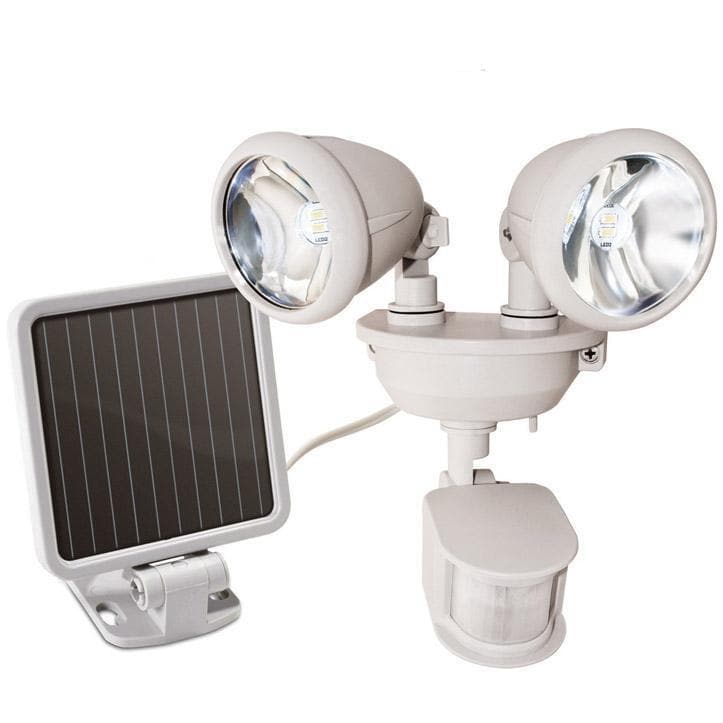
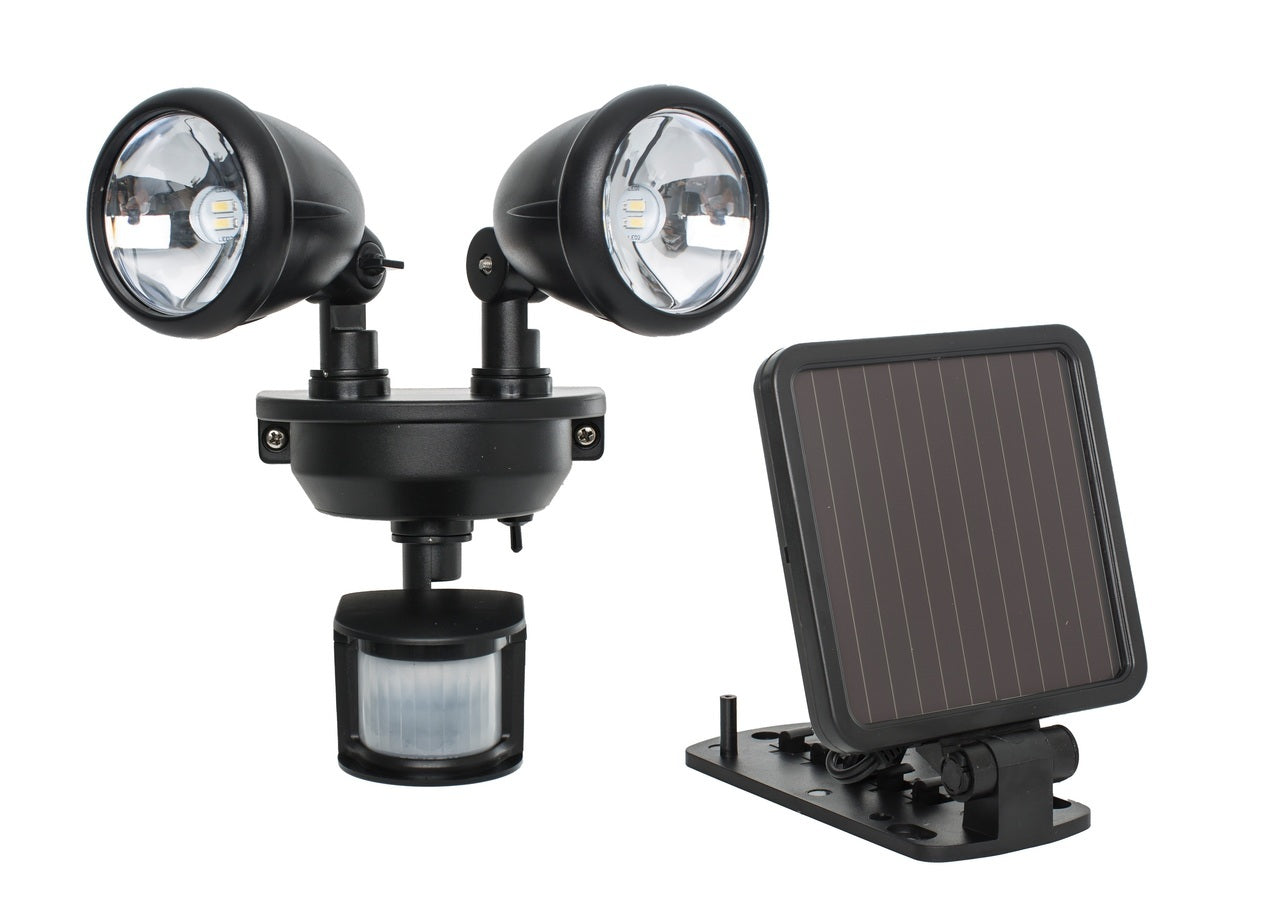
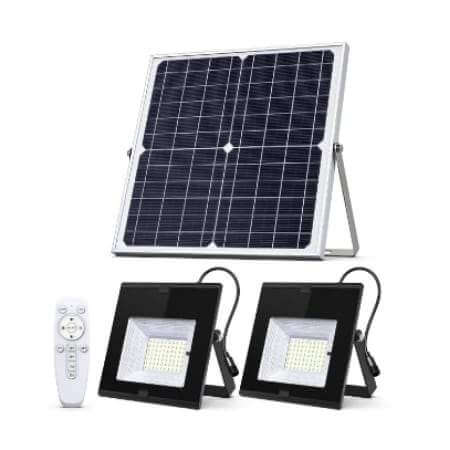
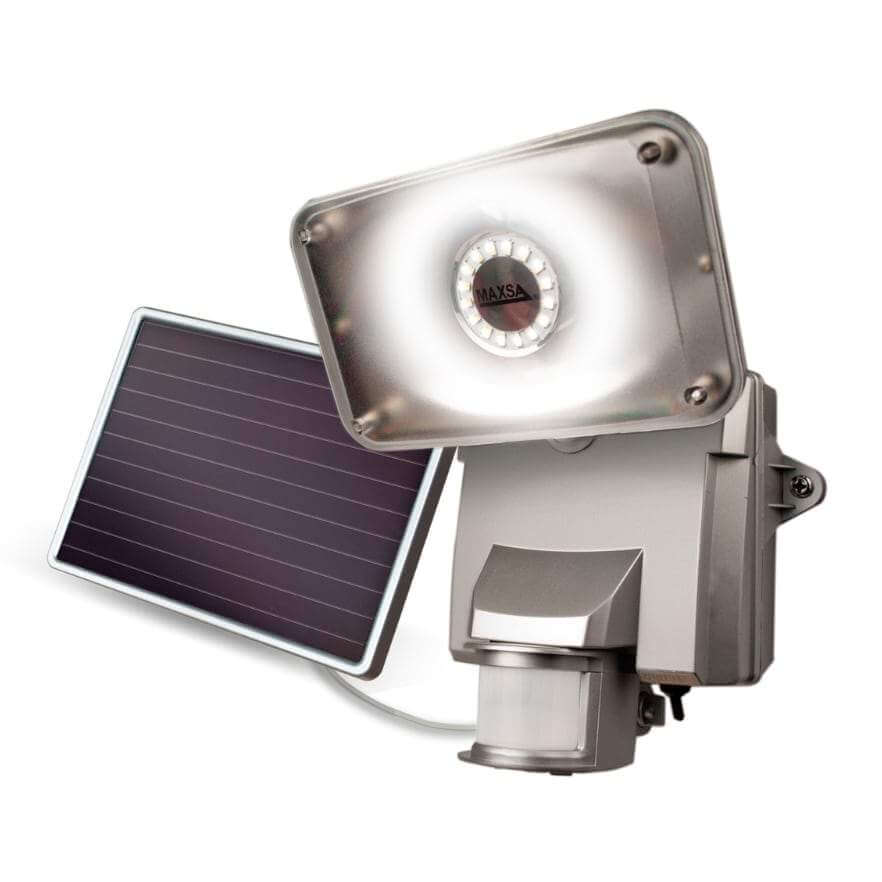
Not all solar lamp posts use the same panel size or power rating. Larger solar panels capture more sunlight because they provide greater surface area for light collection. A higher-capacity panel usually charges the battery more quickly during the day.
Manufacturers often pair stronger panels with brighter LED fixtures or larger batteries. This combination allows the lamp to power high-output lighting systems for longer periods after sunset. Smaller panels may still work well in bright environments, but may struggle in partially shaded locations.
Homeowners should consider panel capacity when comparing different solar lamp posts. A fixture designed with a robust panel often performs more consistently across varying weather conditions. Greater panel capacity provides additional charging power during cloudy or shorter days.
Geographic Location and Local Climate
Your geographic location can also affect the intensity and consistency of sunlight you receive throughout the year. Regions closer to the equator receive stronger sunlight and longer daylight hours compared to northern areas. These differences influence how much solar power a panel can collect each day.
Local climate patterns also play an important role. Areas with frequent cloud cover may experience reduced sunlight exposure during certain seasons. Rainy climates or long stretches of overcast weather can also limit how much energy the solar panel gathers.
Despite these differences, solar lamp posts still perform well across many climates when installed correctly. Choosing an open, sunny location helps compensate for regional weather patterns. Proper placement allows the fixture to capture as much available sunlight as possible.
Installation Height
The height of a solar lamp post can also influence how effectively the fixture collects sunlight throughout the day. Panels mounted higher above the ground often receive more direct sunlight because fewer nearby objects cast shadows across their surfaces.
Installation height also affects the fixture's overall lighting performance at night. A properly sized lamp post spreads illumination across a wider area when installed at the recommended height. When homeowners follow the manufacturer’s mounting guidelines, the fixture can collect strong sunlight during the day while delivering balanced lighting after dark.
Now you know about the various variables that can affect how well your solar lamp post performs at night. By considering these factors, you can position your lighting systems for stronger and more reliable nighttime illumination.
If you want dependable outdoor lighting that delivers high performance, reach out to Outdoor Solar Store. We can help you find the right fixture for your outdoor spaces.