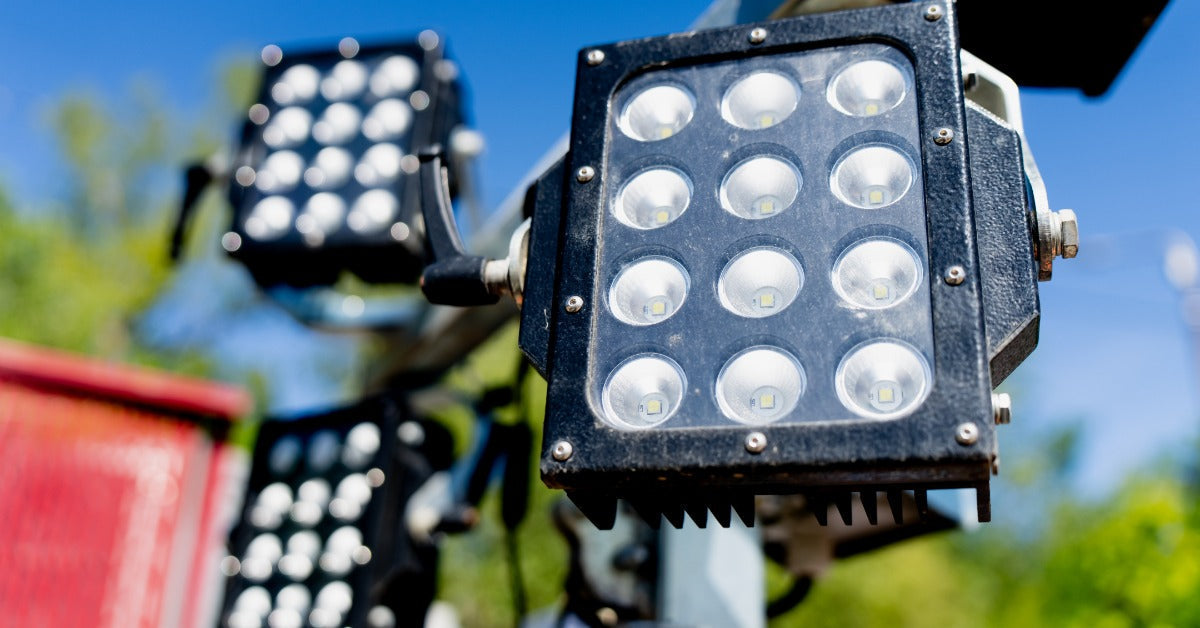
When laborers work outdoors at night, they rely on light to keep them productive and safe. However, when their utilities experience an outage, it can be devastating to their progress, since they may have several urgent tasks they must complete during their shifts.
It is in a situation like this that solar-powered illumination can be incredibly helpful. Read on to learn about the benefits of using solar towers during utility outages, so you can better plan ahead and be prepared for future disasters.
Lighting Without Grid Power
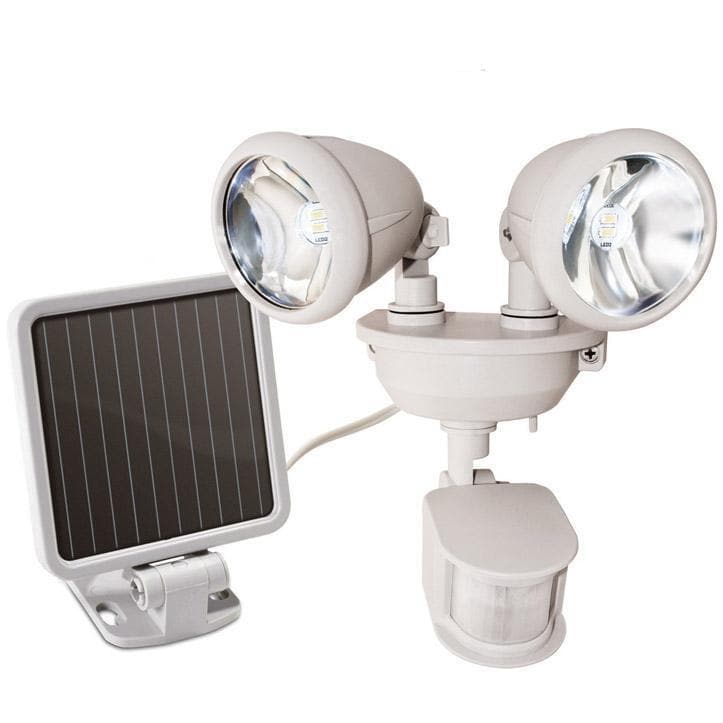
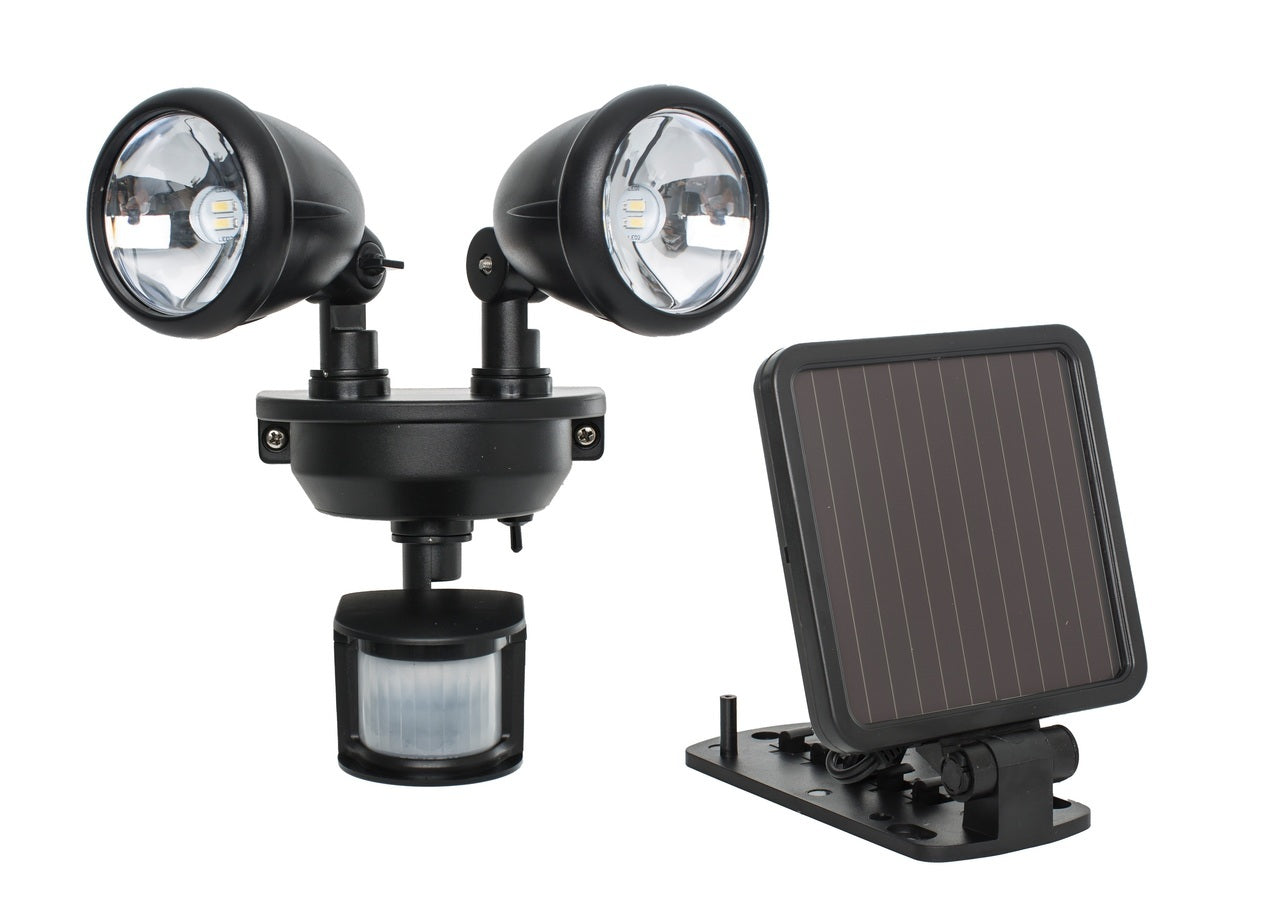
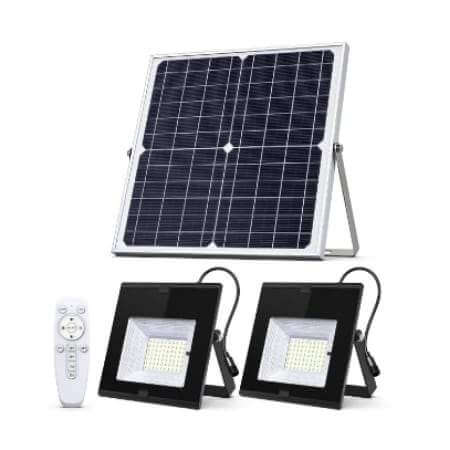
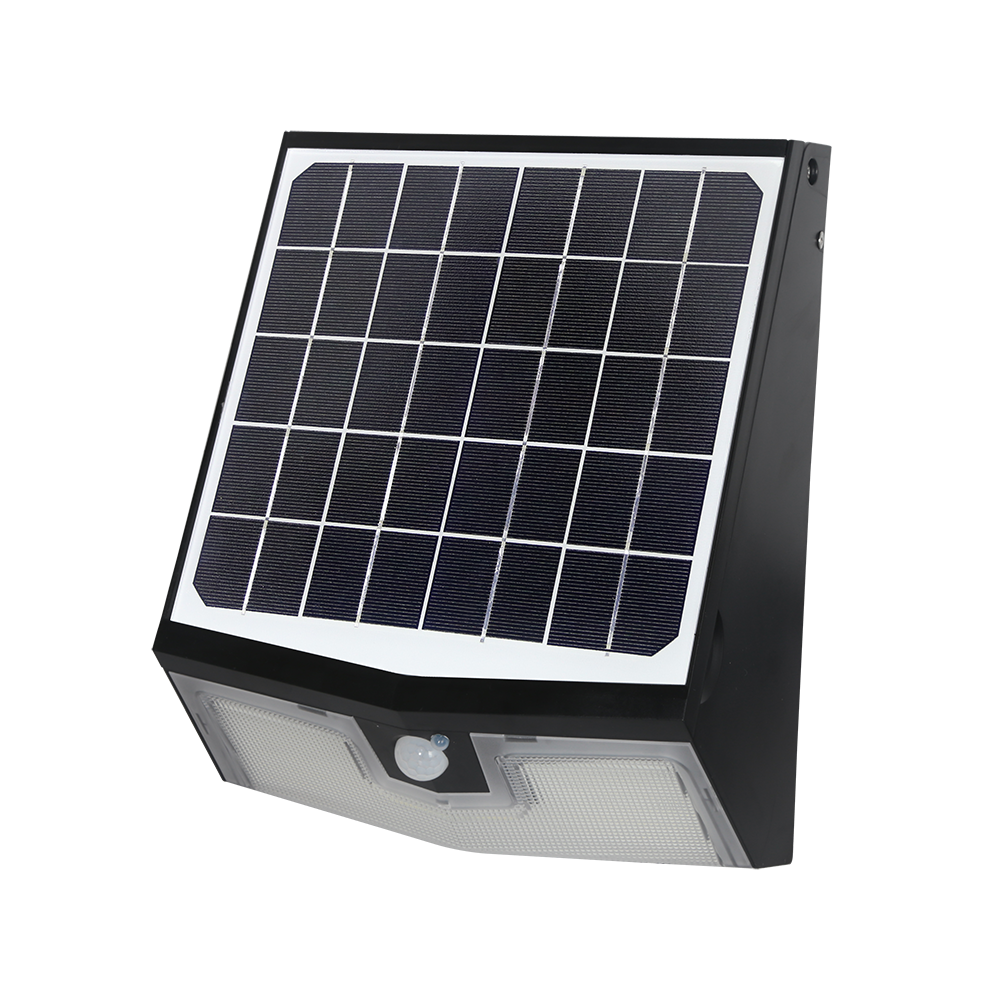
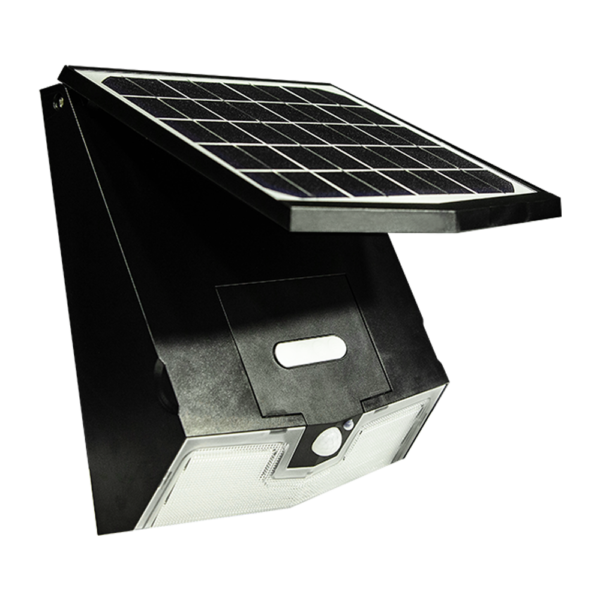
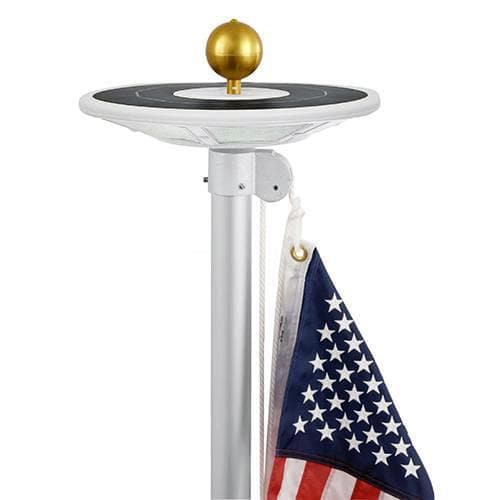
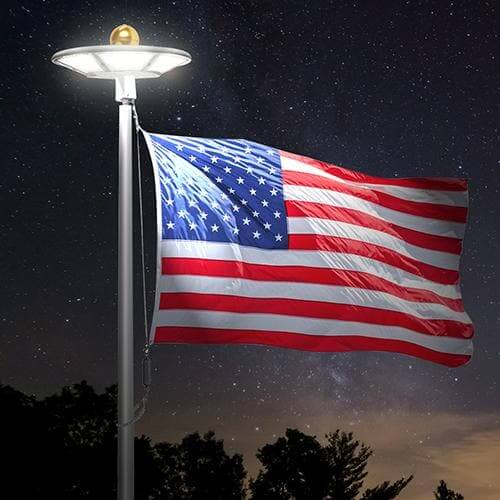
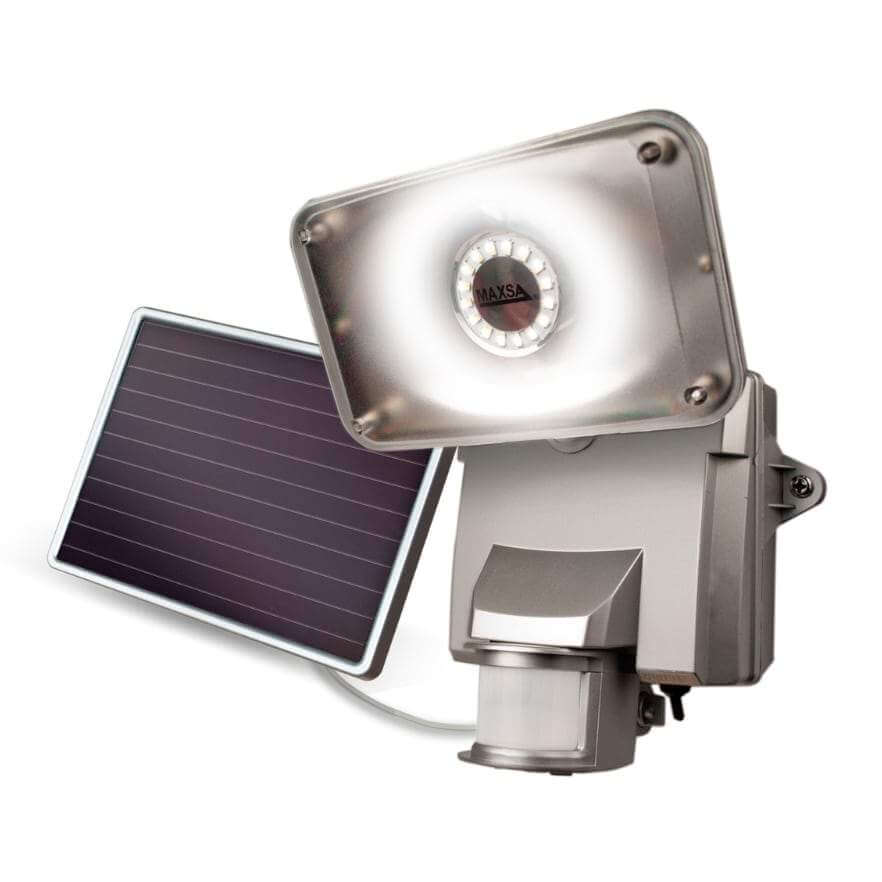
When you use a solar tower on your job site, it draws power from its own battery system, so users can keep outdoor areas lit when utility service stops. Its solar panel charges the battery during daylight hours, while the fixtures use that stored power after dark. This setup gives crews and property owners a lighting source that does not depend on an active electrical connection.
That independence can matter during situations that affect local power lines. Teams can position the tower where they need illumination instead of waiting for temporary wiring or utility repairs.
Work Continues During the Outage
Many outdoor operations cannot stop simply because utility service has failed. For instance, construction crews may still need to complete urgent responsibilities after dark so that their projects can stay on schedule and on budget. Solar towers give these teams enough illumination to continue tasks that require visibility.
Crews can use the light to inspect equipment, guide vehicles, or complete time-sensitive repairs. This flexibility helps reduce delays and keeps critical duties moving until normal power returns.
Safer Movement After Dark

An outage can also leave work zones difficult to navigate after sunset. However, a solar tower can illuminate these spaces so employees can see obstacles, changes in elevation, and moving vehicles. Better visibility helps people move with more confidence during a stressful interruption.
Lighting also helps crews better identify the tools and equipment they need as they are working. This illumination prevents them from selecting the wrong items, which could potentially hinder their work or cause a work-related accident.
Reduced Dependence on Fuel
Another benefit of using solar towers during utility outages is that it reduces your dependence on fuel. Fuel-powered light towers can support outage response, but they require a dependable supply of gasoline or diesel. Severe weather, road closures, or high local demand can make fuel harder to obtain when many people need it at once. In contrast, solar towers rely on daylight and stored battery power rather than a continuing delivery schedule.
This design also removes the need for crews to refuel the unit during nighttime operation. Staff can spend more time addressing the outage and less time transporting fuel, checking levels, or handling spills. For remote properties, that simpler routine can make emergency lighting easier to coordinate.
Avoiding fuel use can also reduce the operating costs that come with extended outages. Crews do not need to spend as much on gasoline or diesel, and they can avoid extra expenses tied to fuel delivery. Over time, these savings can make solar towers a more economical lighting option for companies that prepare for frequent or lengthy utility interruptions.
Less On-Site Noise

Generators and engine-driven light towers can produce constant sound while they run. That noise may interfere with communication between workers, disturb nearby residents, or add another distraction during an emergency response. Meanwhile, solar towers operate without a running combustion engine, which gives teams a quieter lighting option.
A quieter site can help supervisors give instructions and help workers hear alarms approaching equipment during times of outages. It can also help limit disturbances to people living nearby. By investing in solar towers, you can support a more controlled work environment during the outage.
A Simpler Setup
Emergency lighting works best when crews can place and activate it without having to perform a complicated installation process. Mobile solar towers do not need trenching, hardwiring, or a temporary connection to the utility system. Users can transport the tower to the chosen location, position the fixtures, and prepare the unit for operation.
A simpler setup can save valuable time when darkness approaches, and the outage has already disrupted normal routines. It also reduces the number of electrical components that crews must arrange across the site. This direct approach helps teams establish useful lighting with fewer setup obstacles.
Improved Security Around Dark Properties
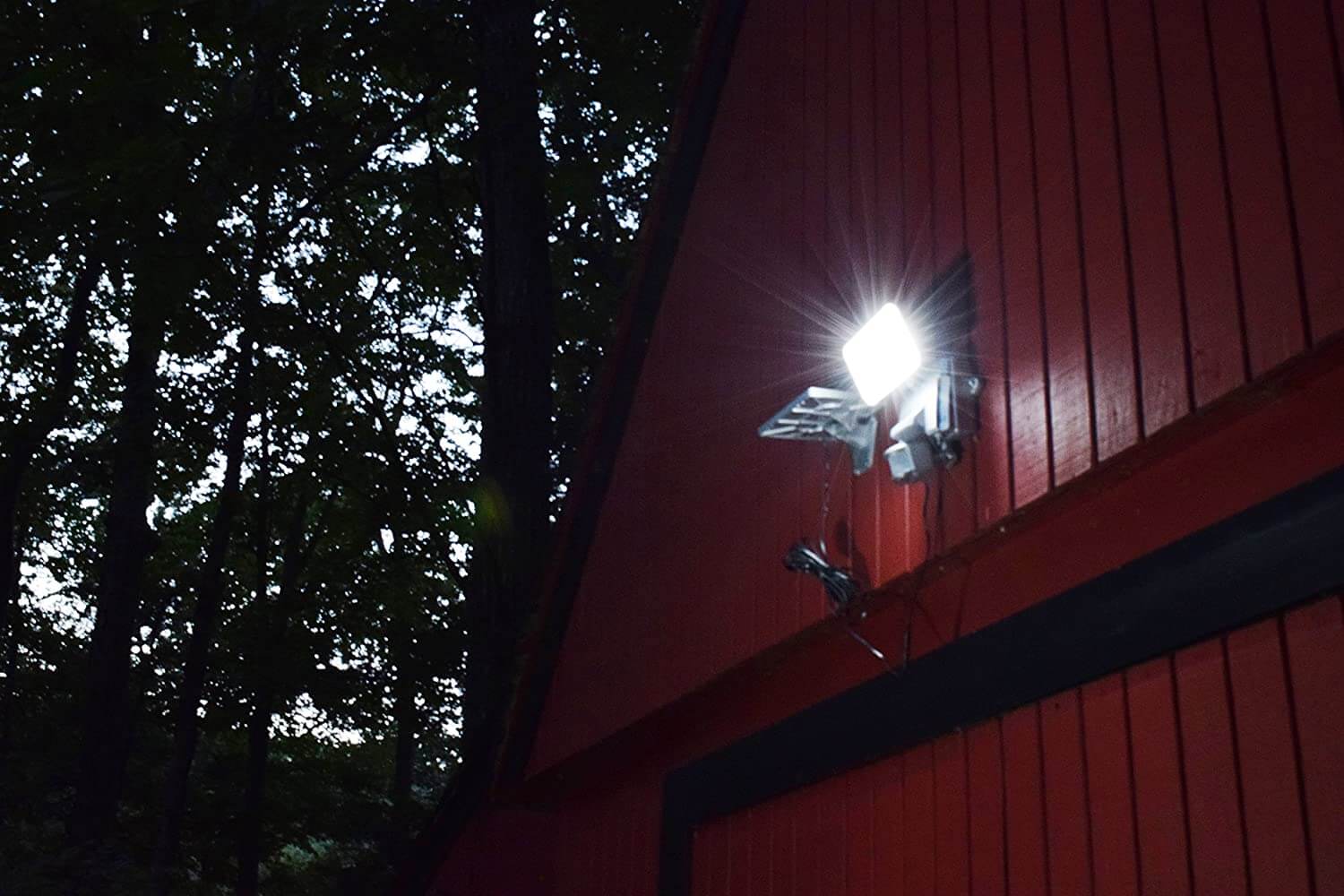
A dark property can make it harder for security teams to watch entrances, loading zones, fences, and outdoor equipment. Solar towers can brighten selected areas, so staff and cameras can capture more visible activity during the outage. Added illumination may also discourage trespassing and theft by reducing concealed spaces.
Facility managers can place solar towers near valuable assets or vulnerable access points while the permanent lighting remains offline. Security personnel can then patrol with a better view of the grounds. This temporary coverage supports existing security procedures until utility service returns.
Flexible Directional Coverage
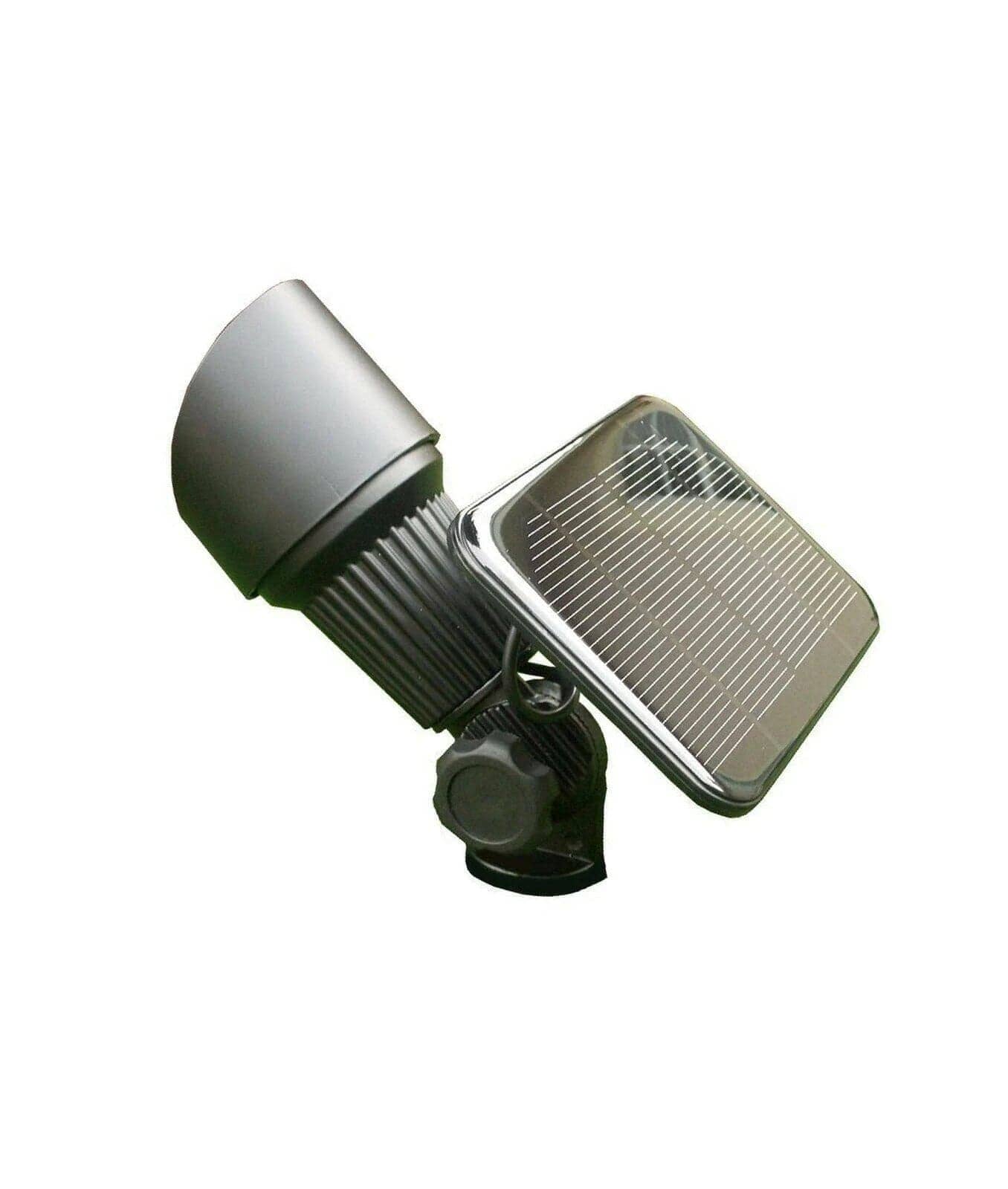
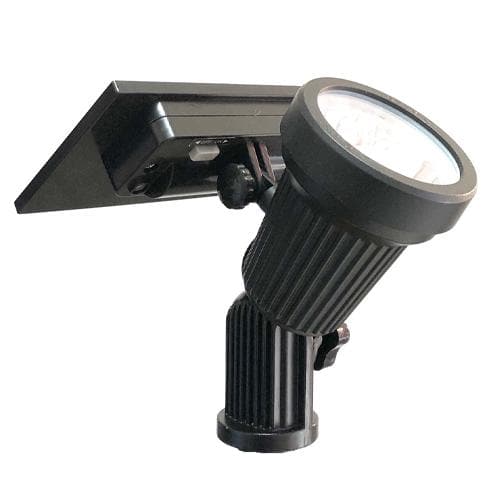
Solar towers commonly incorporate adjustable fixtures that let users direct light toward the areas where they need it most. For instance, construction crews can aim the lamps toward a work surface or broad open space instead of lighting every nearby location equally. This control helps users adapt the tower to the layout and priorities of the site.
Conditions can change throughout an outage as crews complete repairs or move equipment. Staff can redirect the fixtures or relocate the tower without rebuilding a temporary lighting system. That flexibility supports a more responsive approach as the situation develops.
Support for Remote and Temporary Locations
Some outages affect places where permanent infrastructure remains limited even before the power fails. For example, road projects, temporary staging areas, outdoor events, and remote facilities may not have enough wired lighting for nighttime operations. Solar towers can provide illumination in these settings without depending on nearby utility lines.
This capability helps teams prepare for work in locations where outage response already presents logistical challenges. A charged unit can arrive ready for placement, which reduces the need to create a temporary power network. The tower then serves as a practical lighting resource for the duration of the interruption.
Now you can see how solar towers give property owners and work crews a dependable lighting option when grid service disappears. They can support safe, ongoing work while utility teams restore normal service.
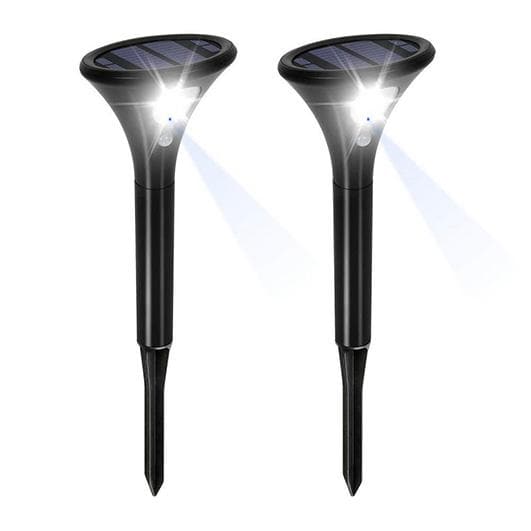
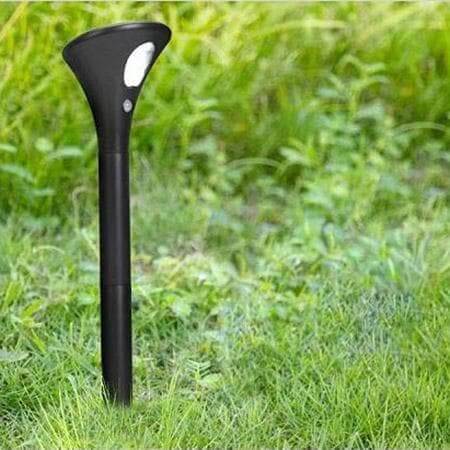
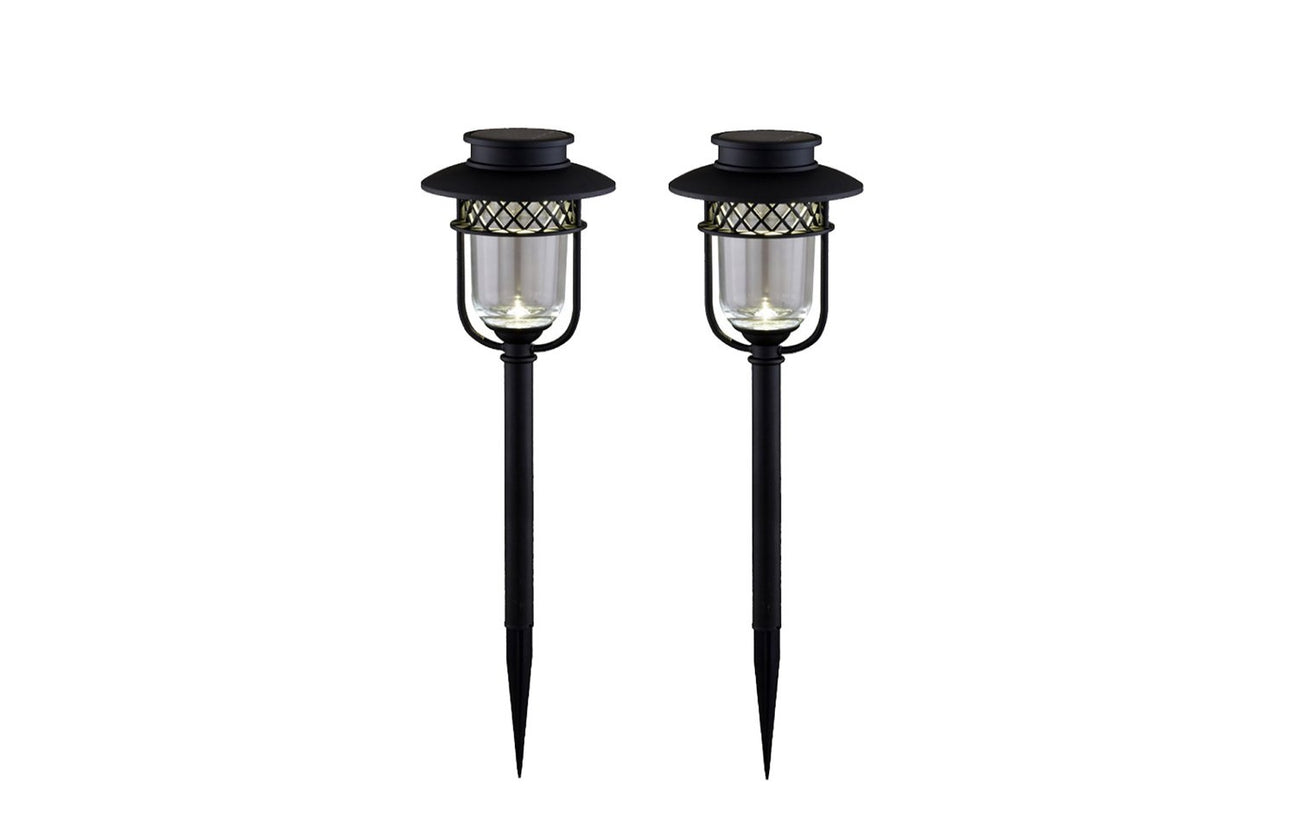
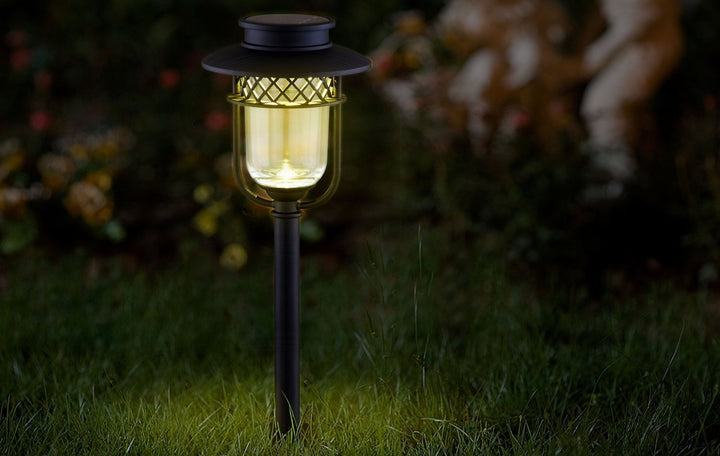
If you want to add solar light towers to your jobsite, contact Outdoor Solar Store today. We offer an extensive variety of lighting products, including LED solar pathway lights that can help you illuminate trails and walkways as well.